Don’t Call Me Resilient
Host Vinita Srivastava leads conversations with experts and real people to make sense of the news from an anti-racist perspective. Produced by The Conversation Canada, the podcast explores systemic racism and resilience through thoughtful dialogue. Each episode aims to unpack complex issues and offer insights into how racism shapes society. The show provides a platform for diverse voices and critical analysis of current events.
Episodes
The world is in crisis – what role should our universities be playing?
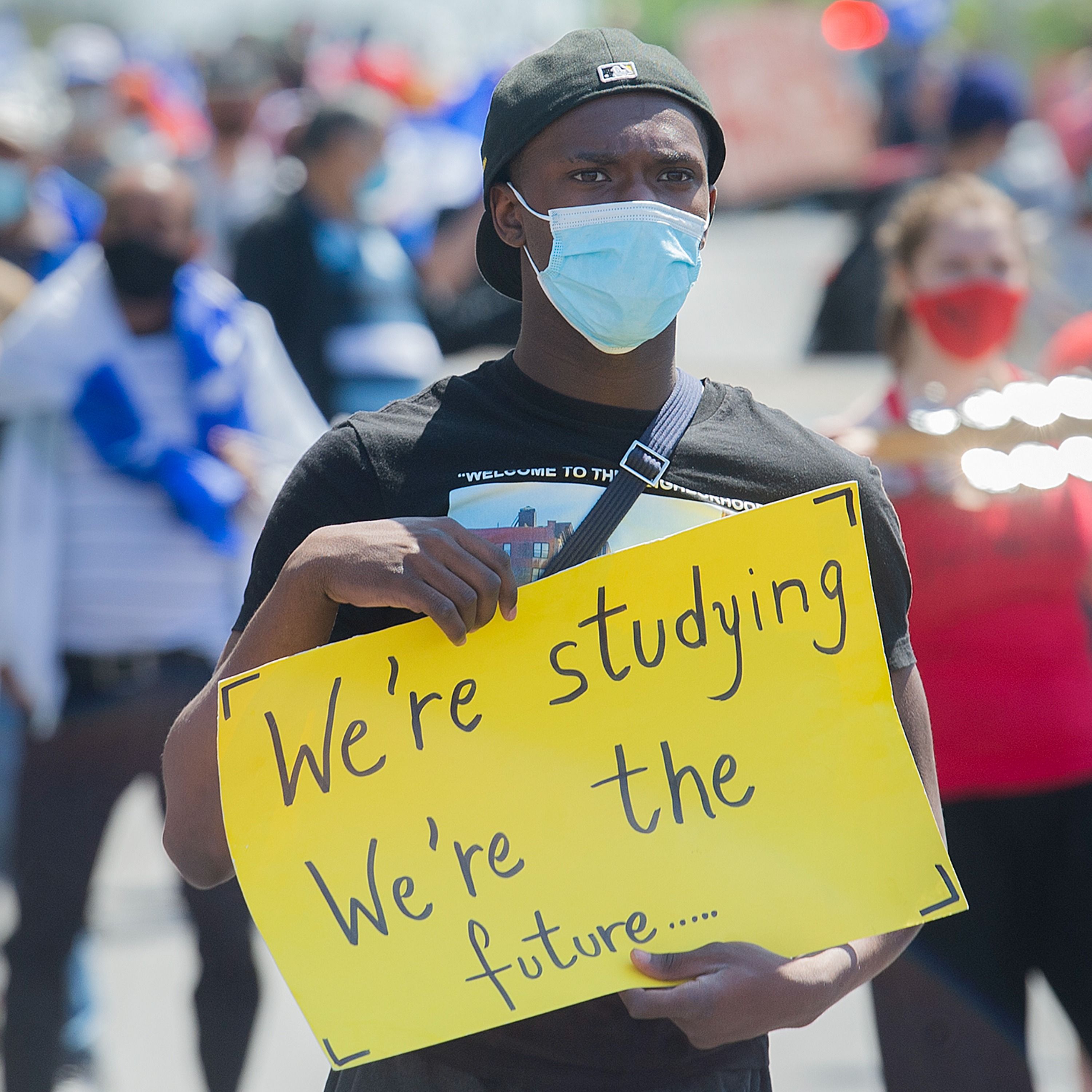
Across the globe, we're witnessing a rise in far-right movements. Just a few weeks ago, the far-right AfD party in Germany secured second place. This marks the first time a far-right party has gained this level of power in the country since the Second World War. Germany is not alone in this trend: Italy, Hungary, Finland, Slovakia, Czech Republic and Croatia are now led by far-right governments.It

AI-generated influencers: A new wave of cultural exploitation?
Virtual influencers are becoming more popular and prevalent everyday. A full-blown industry has sprung up around them – an industry with agencies and companies dedicated to creating and managing them, with some of the top personas earning into the millions annually.But our guest today has noticed a troubling pattern – many virtual influencers are crafted as young, women of color. But their creator

Food as a tool of oppression
Editor's note: This podcast episode is the first in our Don't Call Me Resilient live event series. Our next event — "AI-generated influencers: A new wave of cultural exploitation?" is coming up on Wednesday February 5th in Toronto — and we'd love for you to be there! Attendance is free. Click here to learn more and save your seat! Food is so much more than what we eat.It is, of course, nourishment

We're back!
Don't Call Me Resilient is coming back to your podcast feed this month with a whole new series!We’ve been hosting some live events and we’re starting to roll them out as episodes in our feed. You can expect the same thoughtful conversations with scholars, shining a light on how systemic racism permeates our society. And we're diving into some fascinating topics...Like how the US government has use
Don't Call Me Resilient Season 8 Teaser
After seven seasons and 65 episodes, we really want to meet our listeners. So we’re going to be taking the podcast on the road, and recording some live episodes across Canada with a live audience. You can expect the same thoughtful conversations with scholars, shining a light on how systemic racism permeates our society.And we’ll be bringing those episodes to our feed in the New Year.Follow us on

FLASHBACK: How to spark change within our public schools
Official reports have been declaring systemic racism in North America’s education system for more than 30 years. What will it take to change?Even before COVID-19, education experts were sounding the alarm about the future of racialized children in our schools. And the COVID-19 pandemic has only underscored — even deepened — the divide.On this episode of Don’t Call me Resilient, we speak with Kulso

FLASHBACK: The dangers of hair relaxers
In this reflective and personal episode of Don’t Call Me Resilient, Prof. Cheryl Thompson of Toronto Metropolitan University and author of Beauty in a Box untangles the wending history of hair relaxers for Black women — and the health risks now linked to them.For decades, Black women have been using hair relaxers to help them “fit into” global mainstream workplaces and the European standards of be

FLASHBACK: Why isn't anyone talking about who gets long COVID?
If you don’t pay close attention to news about COVID, you might think the pandemic is nearly over. But for the millions of people worldwide suffering from long COVID, that couldn’t be further from the truth.And the number of those experiencing long-term symptoms keeps growing: At least one in five of us infected with the virus go on to develop long COVID.The effects of long COVID are staggering. R
FLASHBACK: Colonialists used starvation as a tool of oppression
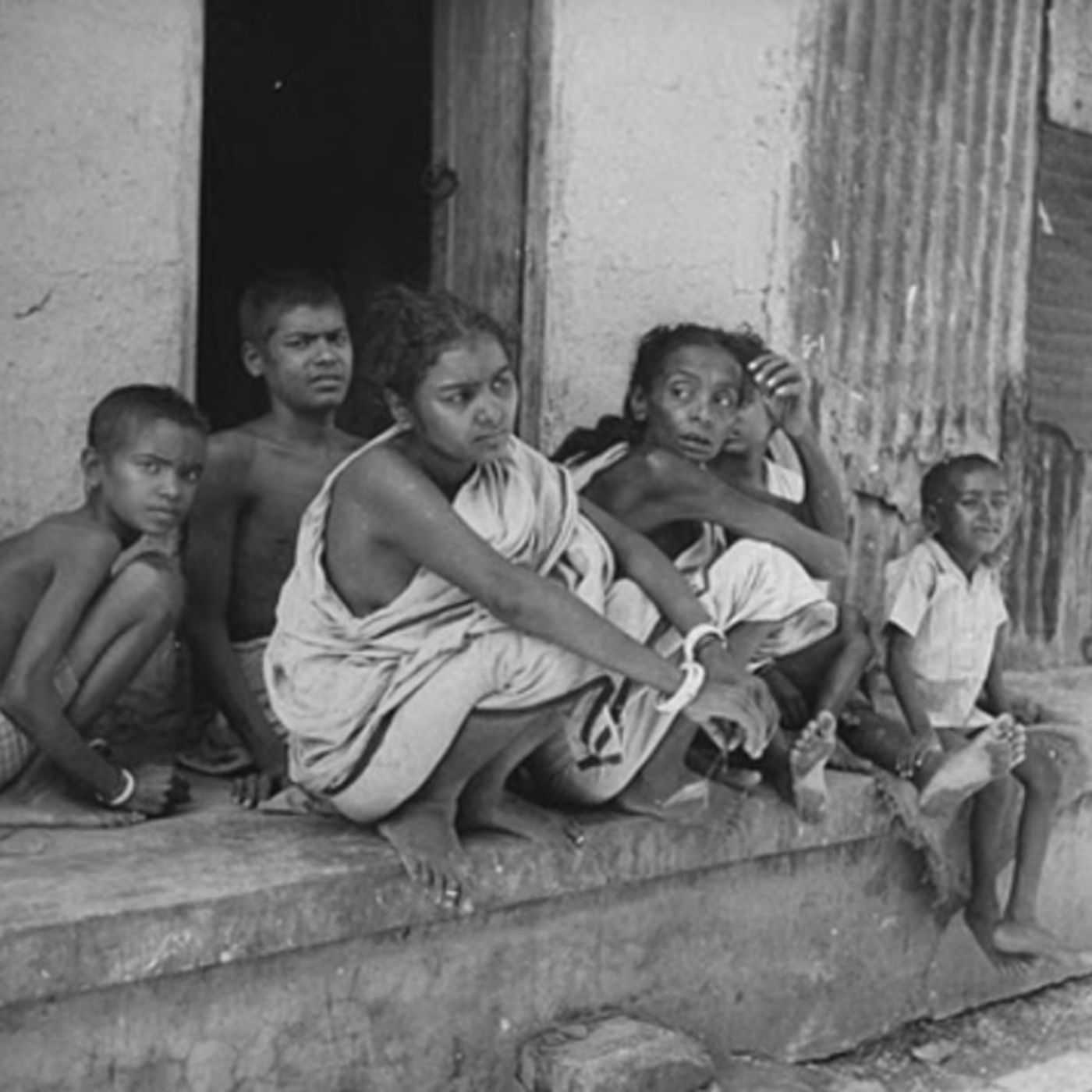
In this episode of Don’t Call Me Resilient, we continue our conversation about forced famine and its use as a powerful tool to control people, land and resources. Starvation has, for centuries, been a part of the colonizer’s “playbook.”We speak with two scholars to explore two historic examples: the decimation of Indigenous populations in the Plains, North America, which historian David Stannard h

FLASHBACK: Palestine was never a land without people
Land has so much meaning. It’s more than territory; it represents home, your ancestral connection and culture — but also the means to feed yourself and your country.One of the things that colonizers are famous for is the idea of terra nullius – that the land is empty of people before they come to occupy it.In the case of Palestine, the Jewish settlers in 1948, and the British before that, viewed t
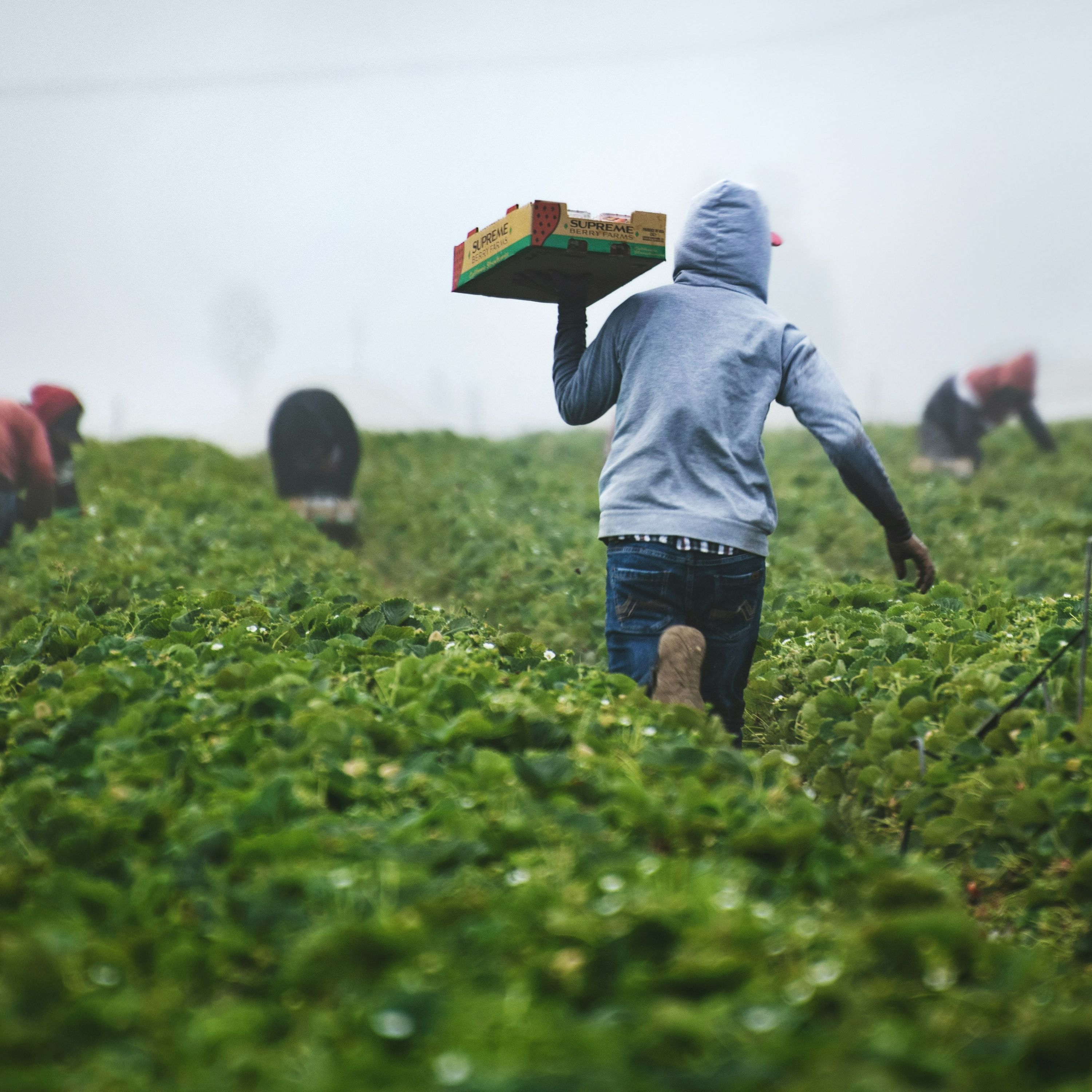
FLASHBACK: Shattering the myth of Canada 'the good' -- How we treat migrant workers who put food on our tables
Every year thousands of migrants come to work in Canada. From harvesting the food in our stores to caring for the elderly, these workers form a vital part of the economy. Yet despite being critical, they often face harsh conditions, isolation, abuse, injury and even death as a result of immigration policies designed to leave them powerless.Documentary filmmaker and OCAD University professor Min So
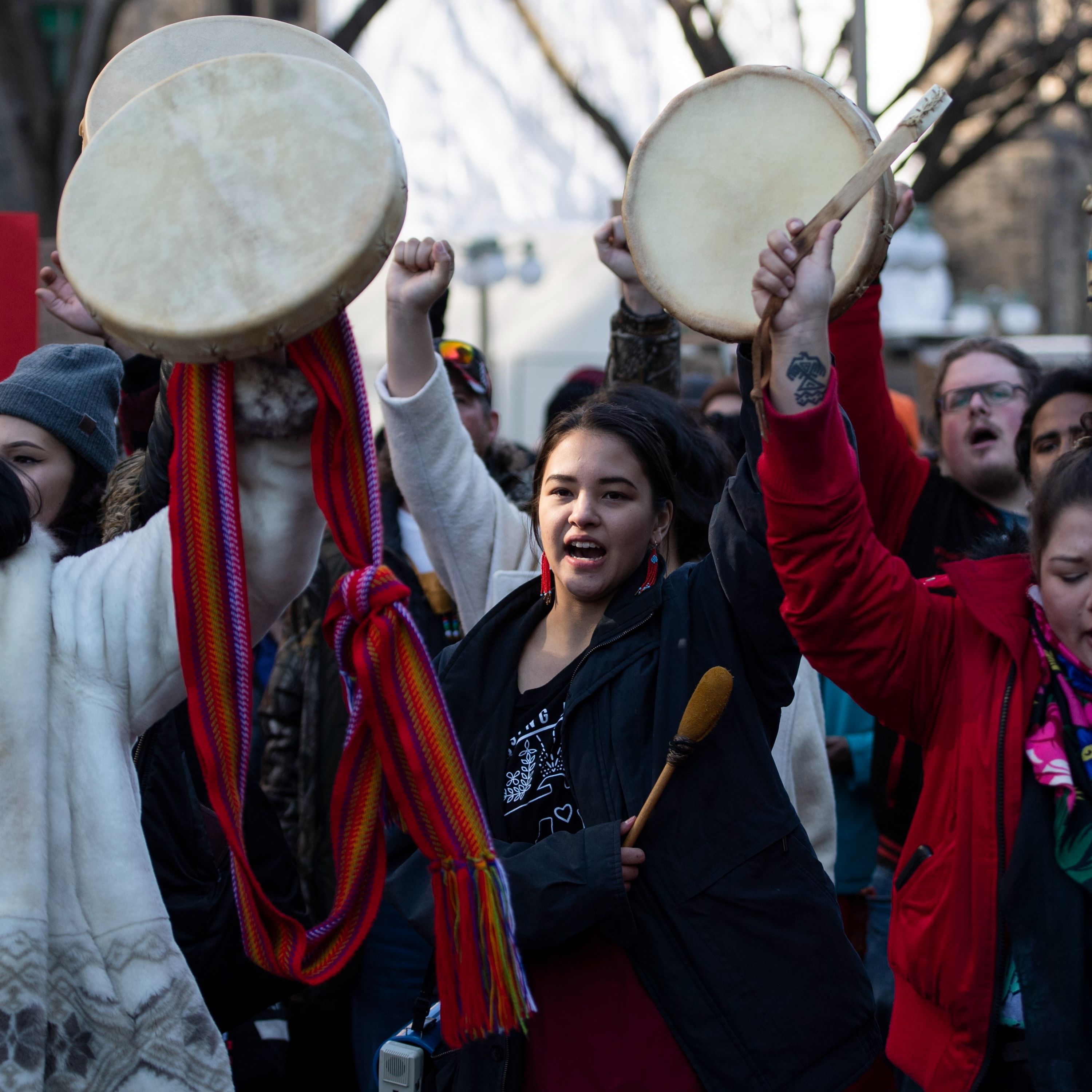
FLASHBACK: Indigenous land defenders on why they fight invasive development despite facing armed forces
In this episode of Don’t Call Me Resilient, we take a look at the ongoing struggle for land rights and some of the women on the front lines of that battle. These women are the land defenders fighting to protect land against invasive development. Both our guests have stood up to armed forces to protect land.Their work is about protecting the environment. But it is much more than that: it is fundame

Some of our favourite episodes you may have missed
This week on the podcast, meet some of our amazing producers who work to put out Don't Call Me Resilient. We chat about what motivates us to cover race and current affairs. We also revisit some of our favourite episodes from the past.And then every two weeks this summer (starting next week), we’ll be sharing some of their picks as full episodes in our "Flashback" Don’t Call Me Resilient feed.To ma

Trailer: Summer flashback season ahead
Can you believe we’ve now produced 65 episodes over 7 seasons?Every two weeks over the summer, we will be re-running some of our favourite episodes from past seasons on our podcast feed. Join us next week for a special bonus episode. You’ll get to meet some of our amazing producers who work hard behind the scenes to produce this podcast. We’ll chat about what motivates us to cover race and current

As war rages in Sudan, community resistance groups sustain life
In this episode of 'Don't Call Me Resilient', Nisrin Elamin, Assistant Professor of Anthropolgy and African Studies at the University of Toronto, paints a grim picture of life in Sudan today. She says the current war, which exploded on April 15, 2023, is devastating both rural and urban communities. Elamin also identifies small pockets of hope. In the absence of a properly functioning government

The Conversation Weekly: Assisted dying -- Canada grapples with plans to extend euthanasia to people suffering solely from mental illness
We’re bringing you an extra episode this week. This episode comes from The Conversation Weekly, our sister podcast from The Conversation UK. The episode, which we're running in full, centres around medically assisted dying. In Canada, medical assistance in dying (Maid) became legal in 2016. And the government intends to extend eligibility to people whose sole reason for ending their life is menta
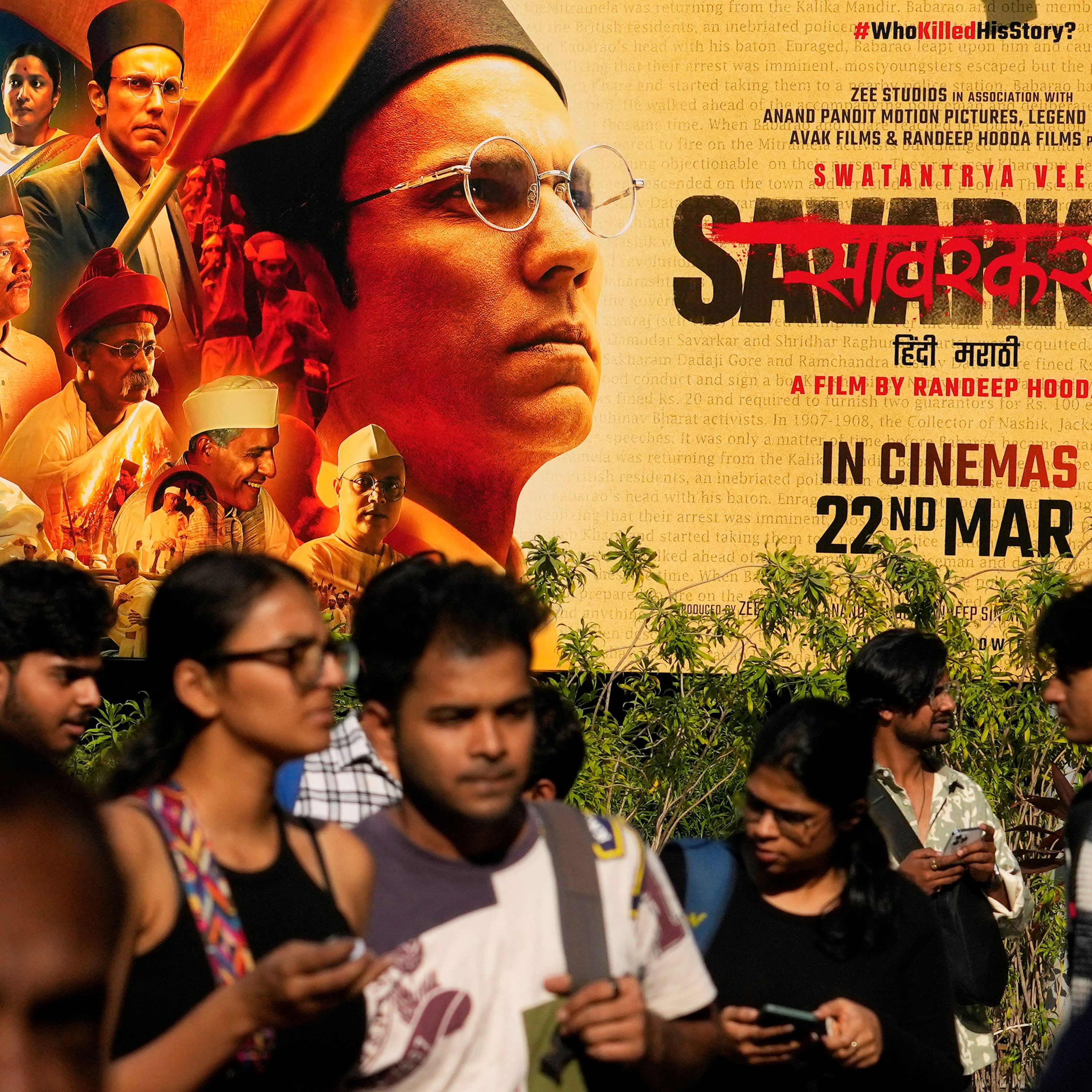
In India, film and social media play recurring roles in politics
Currently the largest electorate in history is heading to the polls in India, where - of course - politicians and political parties are trying their best to influence voters. Film and popular culture have always provided a reflection of the country's political culture, but in this election, they are being used more than ever to *sway* voters - especially by Prime Minister Narendra Modi and his r

A different way to address student encampments
Collectively, the global student protests demanding university divestments from Israel are one of the largest mass protests in recent history. Student protesters are risking their futures as they demand their institutions financially divest from Israel and companies connected to supplying weapons and technology to Israel’s government.Last week, in Calgary, police descended on the University of Cal
Digging into the colonial roots of gardening
As we approach the start of gardening season, we figured it’s a good time to bring you one of our most talked-about episodes about the complicated, colonial roots of gardening - which have affected what we plant and who gets to garden.How we garden is deeply tied to colonialism — from the spread of seeds and species around the world to the use of forced labour and slavery that went hand in hand

Why students harmed by addictive social media need more than cellphone bans and surveillance
Research shows social media apps are designed to entrap children who are even more susceptible than adults to its harms. Plus, technologies are not neutral: They’re embedded with and actively reinforce structures of racism. A recent survey of Canadian children in grades 7 to 11 found nearly half of participants reported seeing racist or sexist content online, and youth from marginalized groups wer
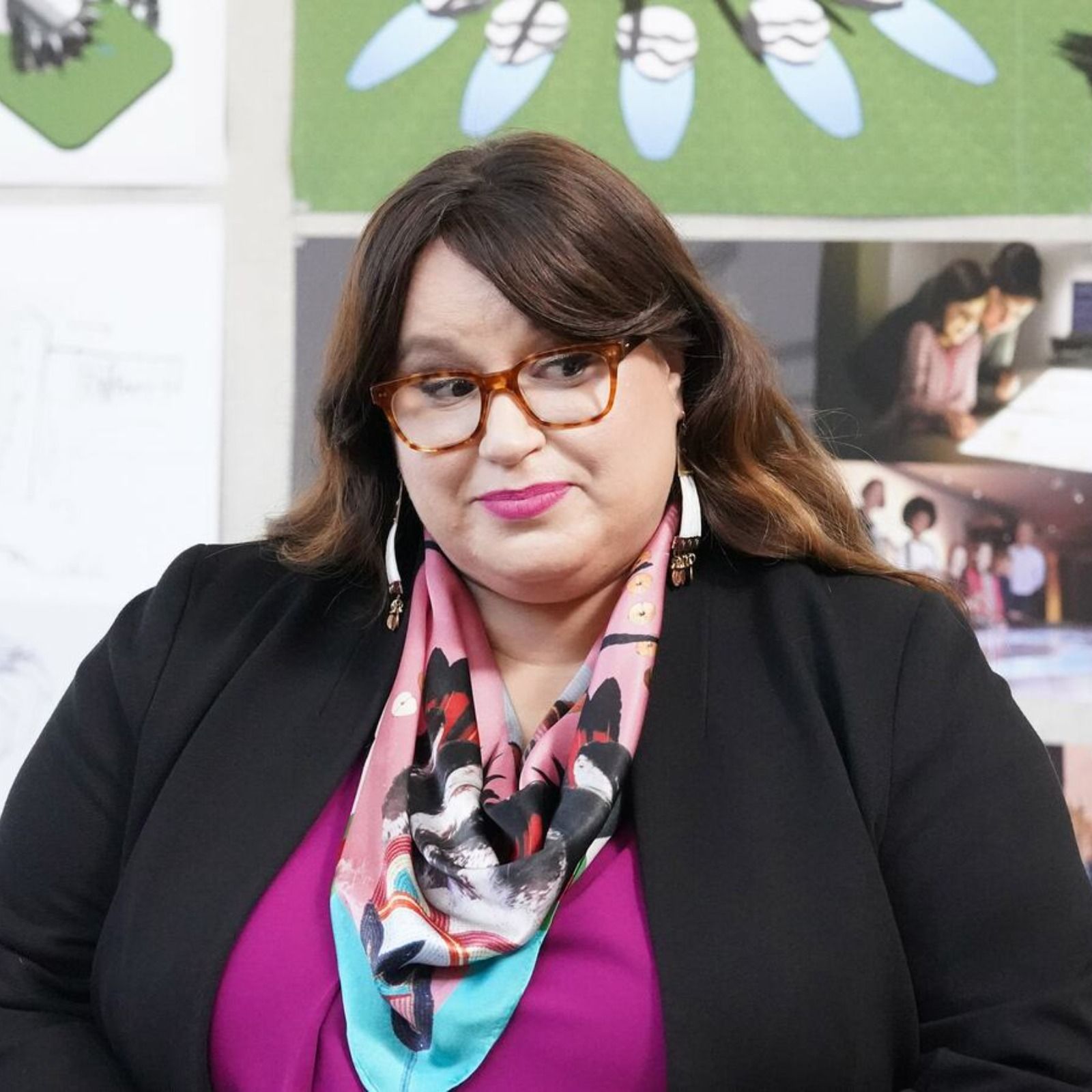
From stereotypes to sovereignty: How Indigenous media makers assert narrative control
Over the last 30 years, there has been an exponential growth of Indigenous media and Indigenous media makers, especially here in Canada which has one of the largest repositories of Indigenous media. However, the road to get here hasn’t been easy. Indigenous filmmakers, producers, and artists have had to navigate the complex and often unfriendly terrain of Canadian media institutions and media prod
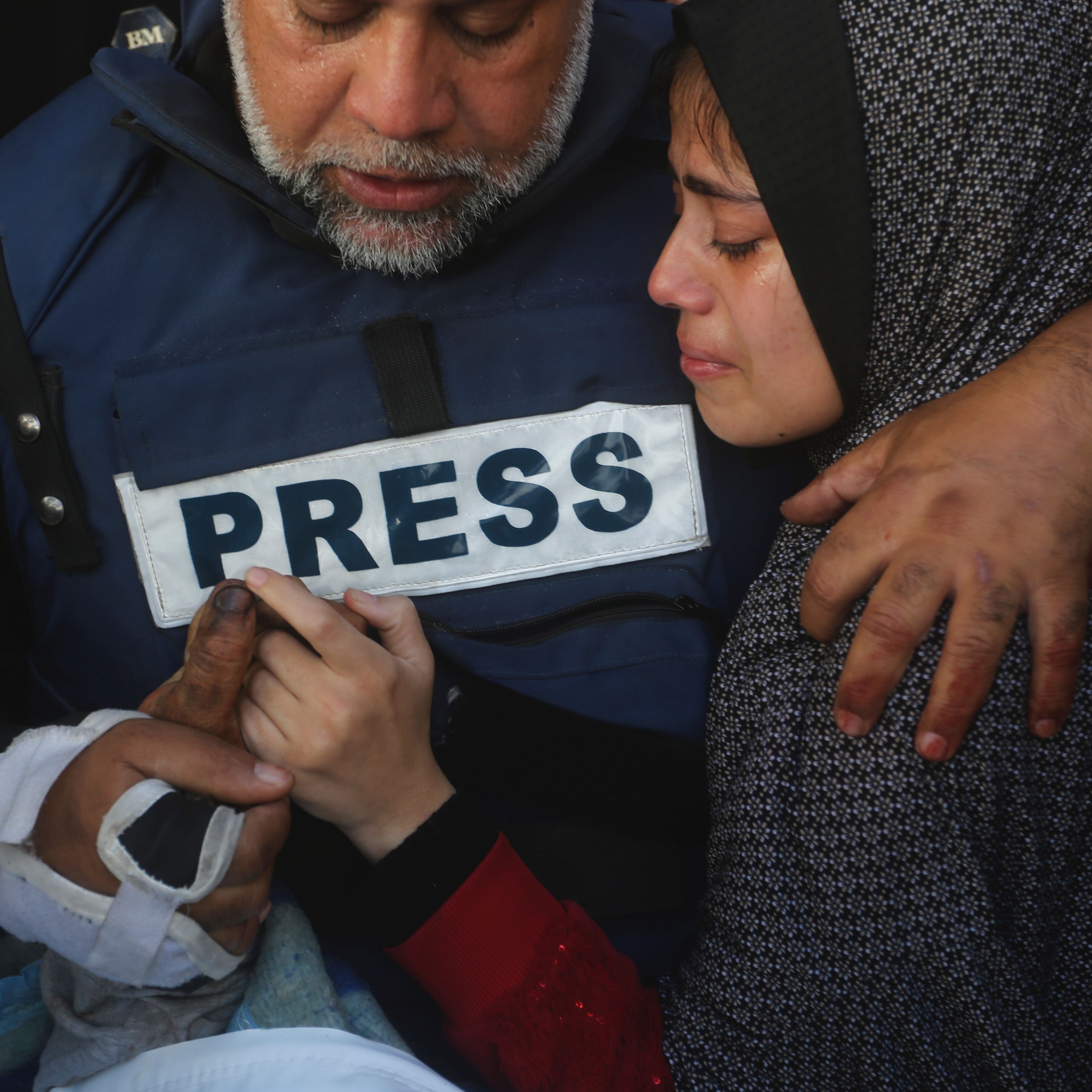
The chilling effects of trying to report on the Israel-Gaza war
Many news organizations have reported on the Israel-Gaza war. However, many journalists have criticized those same media organizations for how they have covered the conflict, and have spoken out against what they say is a stifling of Palestinian voices and perspectives. In today's episode, Vinita talks to Sonya Fatah and Asmaa Malik, associate professors of journalism at Toronto Metropolitan Unive
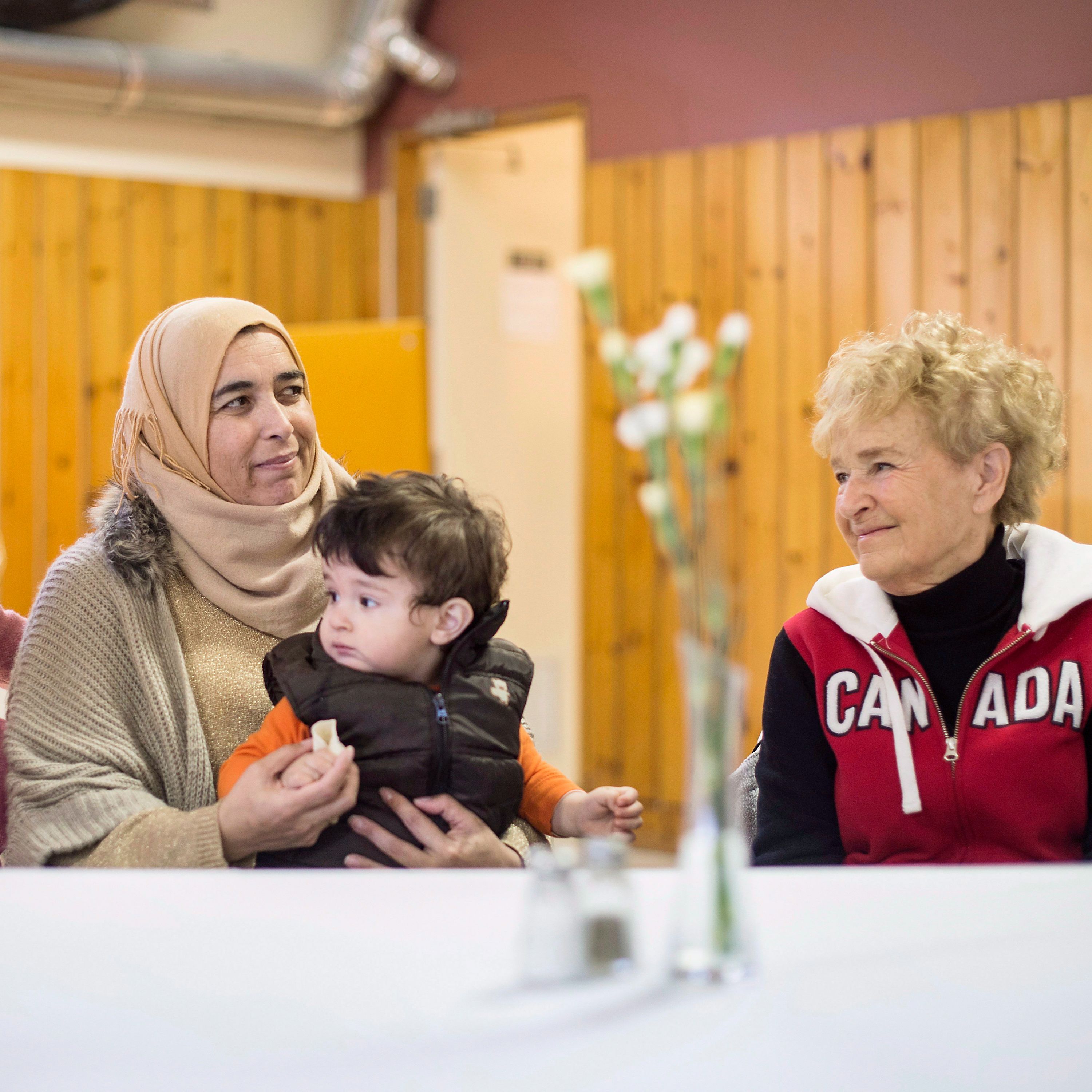
Asylum seekers from Gaza and Sudan face prejudiced policies and bureaucratic hurdles
Around the world, people are being forced to leave their homes in droves. We are seeing it happen in Gaza, as Israeli forces continue to wage war. And in Sudan, which has also been wracked by war. Then there are the people fleeing political or economic strife - like those living in Haiti, or Venezuela. Canada has various refugee programs designed to take in those seeking asylum from what's happ

Beyoncé’s ‘Cowboy Carter’ transmits joy, honours legends and challenges a segregated industry
The release of Beyoncé’s new album, Cowboy Carter, was a much awaited event for a lot of us. There was much anticipation about this being a country album — and a lot of talk about the resistance some radio stations had and still have to that idea. That’s because country music is considered "white music," even though its Black historical roots are well documented. But Cowboy Carter is about so m

Colonialists used starvation as a tool of oppression
In today's episode, we're continuing the conversation we started last week about using forced famine as a tool to control land, resources and people. For centuries, starvation has been effectively used by colonial powers to control populations, to acquire land and the wealth that comes with that. Today, we’re looking at the decimation of Indigenous populations in the Plains of North America –.
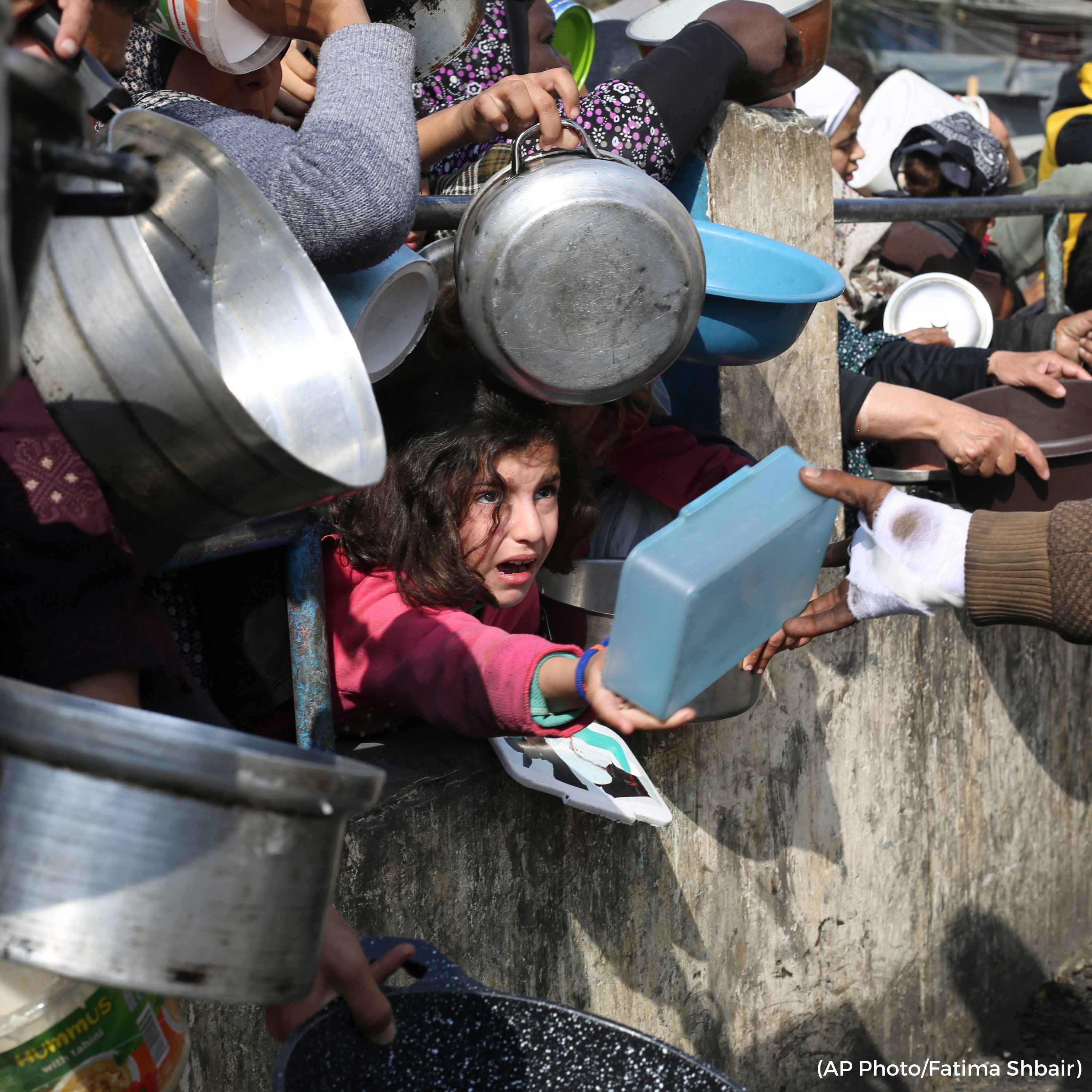
Starvation is a weapon of war and Gazans are paying the price
On Monday, the European Union's foreign policy chief accused Israel of using starvation as a weapon of war and provoking famine in Gaza. They were some of the strongest words against Israel we have heard from a western power about the situation in Gaza since October. They come on the heels of a UN-backed report that warns that more than one million people — half of Gaza’s population — face catas
Nine years after #OscarsSoWhite, a look at what's changed
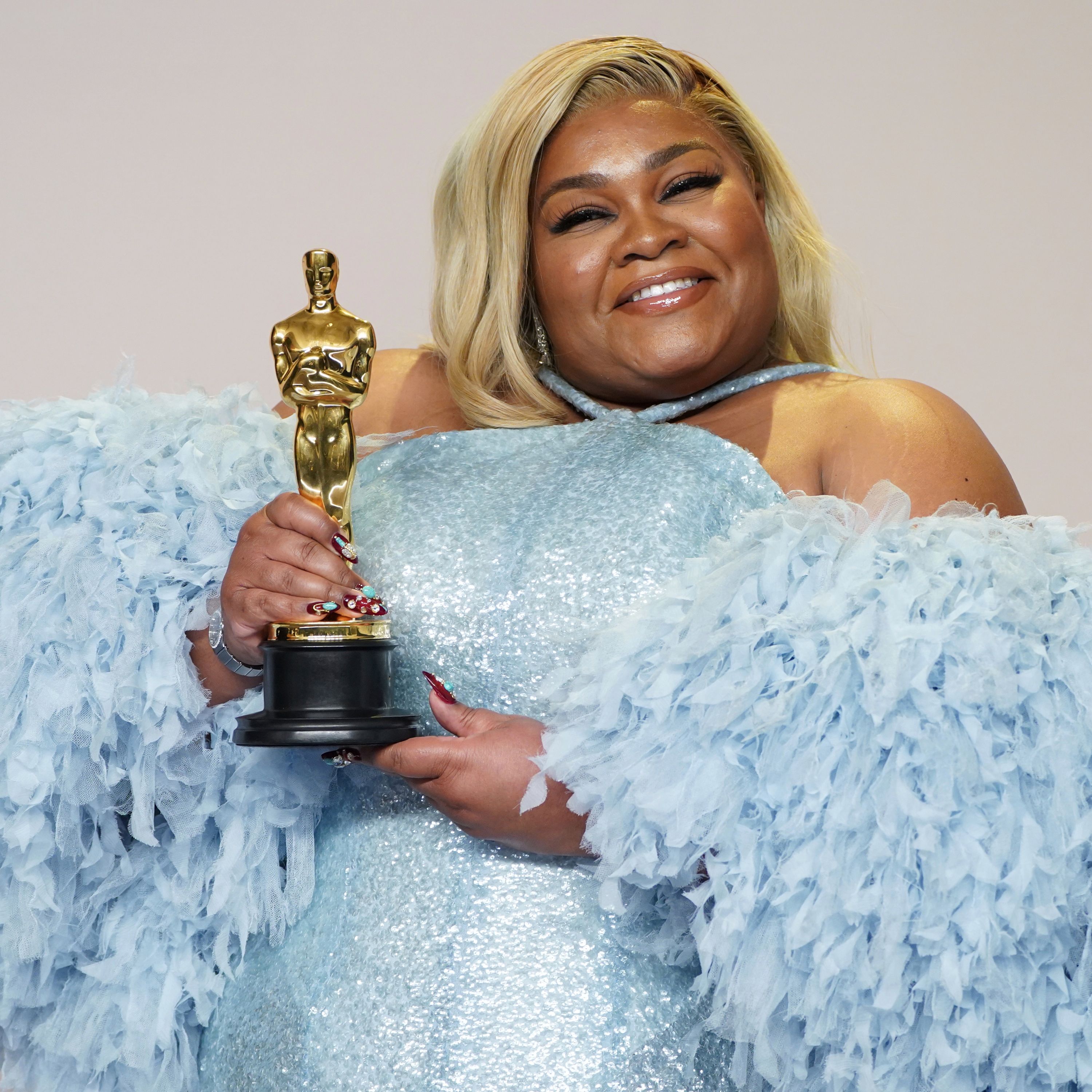
On Sunday, nine years after #OscarsSoWhite, millions of us tuned in to the 96th annual Academy Awards — some to simply take in the spectacle. And some to see how much had changed.The hashtag #OscarsSoWhite started after many people noticed that, for a second year in a row, all nominees for four of five major categories were white. The movement called on Hollywood to do better: to better reflect Am
Don't Call Me Resilient Season 7 Trailer
Follow us today so you don't miss an episode.

'American Fiction,' is a scathing satire that challenges pop-culture stereotypes of Blackness
Monk is the lead character of the new movie "American Fiction," which is based on the 2001 novel "Erasure" by Percival Everett. Monk is a Black man but never feels 'Black' enough: he graduated from Harvard, his siblings are doctors, he doesn't play basketball and he writes literary novels. In fact, his last novel got rejected for not being "Black enough." As a Black man who thinks about race but

The Conversation Weekly: Kenya at 60 -- the patriotic choral music used to present one version of history
In this episode which we're running in full, host Gemma Ware speaks with Doseline Kiguru, a research associate in cultural and literary production in Africa at the University of Bristol in the UK, who has co-published research on the history of choral music and the role it plays in Kenyan national political culture. The episode originally aired on Dec. 11. Kenya is marking 60 years since its indep

Dear politicians: To solve our food bank crisis, curb corporate greed and implement basic income
You may have noticed that food bank lines have grown exponentially this year. In Toronto alone, the number of people who use food banks has doubled since last year and nationwide, the numbers using food banks have jumped by 32 percent from last year and 78 per cent since 2019. And those who are lining up for food defy the stereotypes: many, for example, are employed full-time. In other words, we

Why are school-aged boys so attracted to hateful ideologies?
The idea for today's episode started with local Toronto kids, who were reporting experiencing sexist, homophobic and racist attitudes in the classroom, especially from the boys. The research shows they are not alone; the rise in far right ideologies globally has deeply affected school-age students. Many experts point to Andrew Tate, the far-right social media influencer as one of the culprits. T
The potential of psychedelics to heal our racial traumas
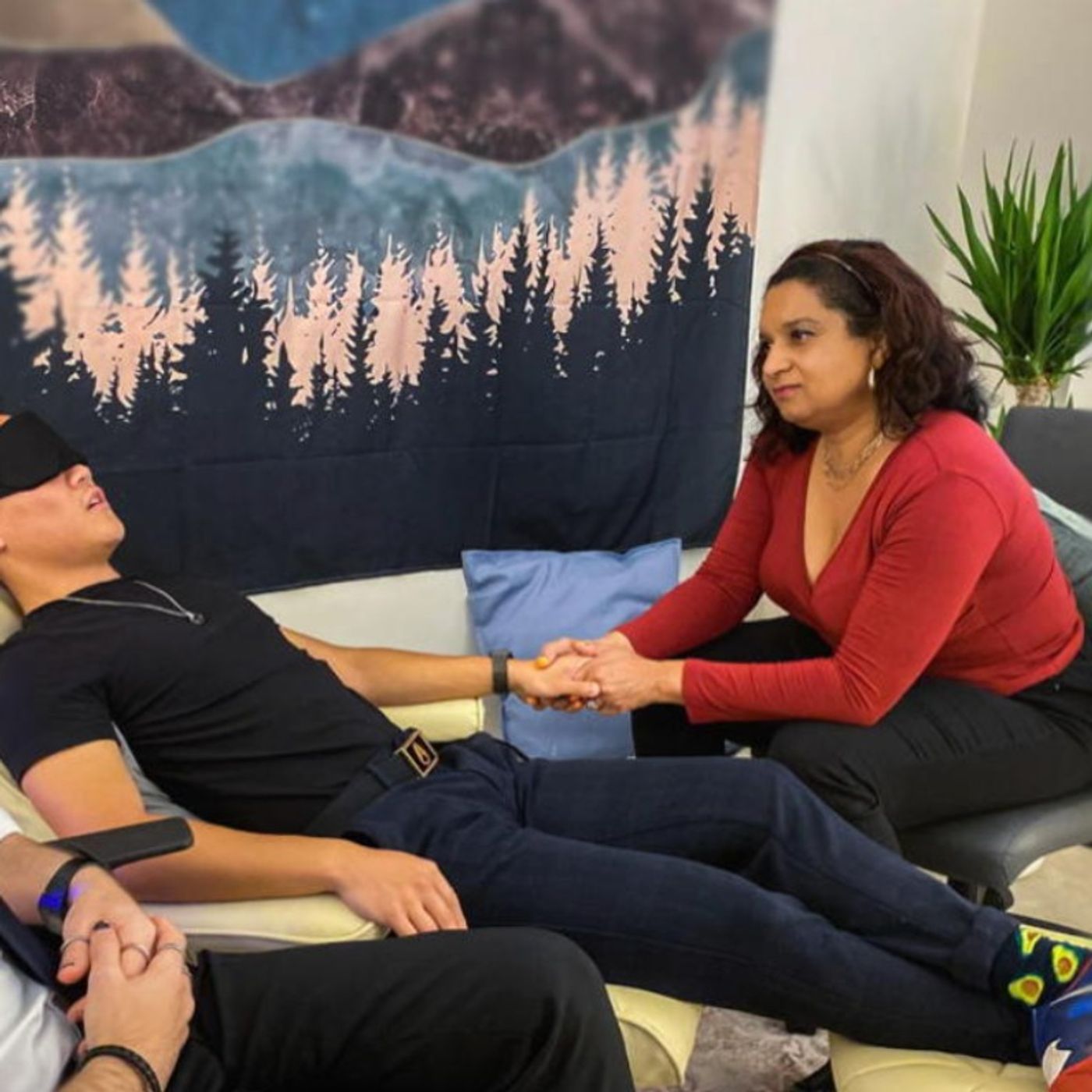
When a lot of us think about psychedelics, we think about magic mushrooms - and hallucinatory drug trips. But the concept of psychedelics as a tool in therapy is making its way into the mainstream. Online stores have popped up selling psilocybin capsules promising to boost focus. And on a more official front, the Canadian Senate recently recommended fast-tracking research into how psychedelics

Palestine was never a ‘land without a people'
As violence continues to erupt in Gaza, and more than 200 hostages taken by Hamas on Oct. 7 remain missing, many of us are seeking to better understand the context of the Israeli-Palestinian conflict that has been raging for decades.Some of us assume that the violence between Jewish Israelis and Palestinians — a majority of whom are Muslim — is a religious conflict, but a closer look at the histor

State of Georgia using extreme legal measures to quell ‘Cop City’ dissenters
Earlier this week, nearly five dozen people appeared in a courthouse outside Atlanta, Georgia to answer criminal racketeering charges brought against them by the state. The charges are related to protests against a planned paramilitary police and fire services training facility nicknamed Cop City. Georgia prosecutors have called the demonstrators “militant anarchists.” But many of those charged sa

How journalists tell Buffy Sainte-Marie’s story matters – explained by a '60s Scoop survivor
When the Buffy Sainte-Marie news broke last week, people were stunned. A CBC investigation was accusing the legendary singer-songwriter of lying about her Indigenous roots. Sainte-Marie had already come out on social media and said she had been claimed by the Piapot Cree First Nation in Saskatchewan - something the Piapot First Nation confirmed. And from earlier conversations about “pretendians”
Why the Israel-Gaza conflict is so hard to talk about
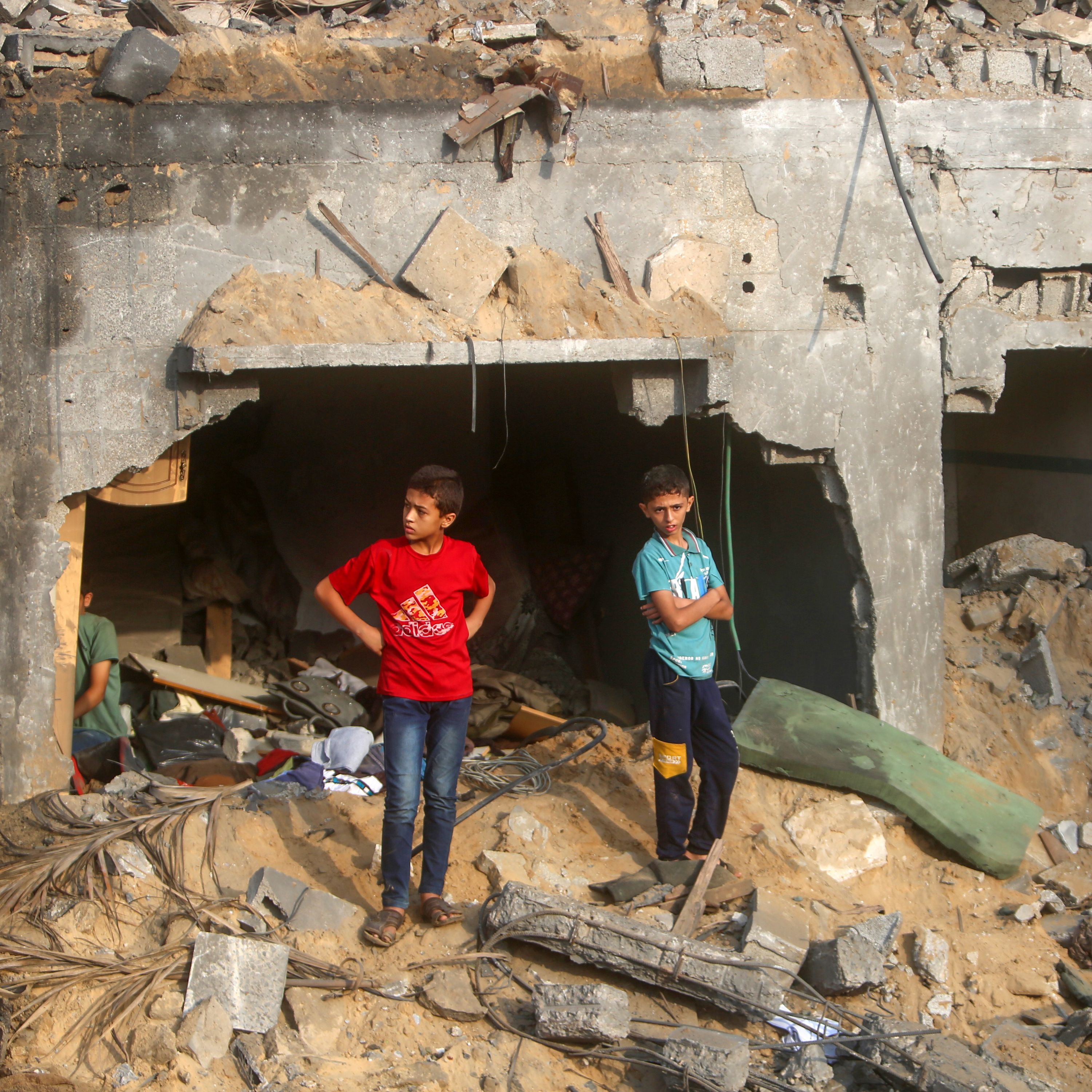
It's hard to escape the news coming out of the Middle East. It's everywhere. And it's excruciating to take it all in. First came the Oct. 7 attack by Hamas on Israel. 1,400 people were viciously attacked and murdered and at least 200 more were kidnapped and taken hostage. Then came the retaliation by the state of Israel. Almost immediately, those living in Gaza, under the leadership of Hamas, were

How corporate landlords are eroding affordable housing -- and prioritizing profits over human rights
Everybody knows it and almost everyone feels it: we’re in the grips of a major housing crisis. Home ownership is out of reach for so many people and for renters, units are hard to find and expensive. It seems everywhere you turn these days, there’s another rent strike. One of the factors driving this affordability crisis has been a shift away from publicly built housing toward large corporate-owne

Detangling the roots and health risks of hair relaxers
For decades, North American Black women have been using hair relaxers to help them fit into mainstream workplaces and the European standards of beauty that continue to dominate them. More recently, research has linked these relaxers to cancer and reproductive health issues - and a spate of lawsuits across the United States, and at least one in Canada, have been brought by Black women against the

Why are brown and Black people supporting the far right?
The Republican Party in the United States has moved farther right in recent years. And as it has, you would think racialized Americans might be distancing themselves from it and its policies.But at last week’s GOP Primary presidential debates, three of the seven people on stage were candidates of colour. Racialized citizens also have been drawn to far-right politics, including key players in the J

Inside the search for the unmarked graves of children lost to Indian Residential Schools
As we approach the National Day for Truth and Reconciliation, we take you inside the ongoing quest to document the children who died in Canada's Indian Residential Schools system. Vinita speaks to Terri Cardinal, director of Indigenous Initiatives at MacEwan University, about the search she led to uncover the unmarked graves of those who perished at the Blue Quills Residential School in Alberta. I
Trailer - Don't Call Me Resilient S6
Here at Don’t Call Me Resilient, we’re busy prepping new episodes for you … Each week, we’ll be taking our sharply focused anti-racist lens to the news stories unfolding around us. We'll be talking to experts, activists and people living these stories … to bring you a deeply contextual view of what’s happening here in Canada … and around the world. So make sure to follow us on your podcast app. Be
Indiana Jones's last ride: A legacy to celebrate or bury?
I love watching a good adventure movie, especially at the start of summer. I have some great memories of eating popcorn in the local suburban movie theatre while we watched aliens take over a spaceship and a group of kids hunt for long-lost treasure in an underground cave.At the same time, even as a kid, I remember thinking how awful some of the racial and gender stereotypes were. I specifically
Widespread use of Ozempic for weight loss could change how we view fatness
It seems like everyone you talk to has considered taking Ozempic, the drug originally created as a diabetes treatment, but now being used as a weight-loss method.Ever since it arrived in Canada, it’s been in incredibly high demand.While Ozempic may be just the next in a long line of get-thin-quick fads, the drug’s shortages have disproportionate impacts on racialized communities. So do the weight-
Why preserving Indigenous languages is so critical to culture
Language, if we are not thinking about it, can be just a way to get from place A to B, a way to order lunch or a way to pass an exam. But language is much more than a way to communicate with words. This is especially true if you have had your language forcibly removed from you, like the thousands of Indigenous children who survived Canada's colonial assimilation project.Languages hold within them
Indian PM Modi is expected to get a rockstar welcome in the U.S. How much is the diaspora fuelling him?
On June 22, Indian Prime Minister Narendra Modi will make his first official state visit to the United States. And if his visits to Australia last month, to Canada in 2015 and to Texas in 2019 are any indication, he’ll be given a rockstar welcome.U.S. President Joe Biden has already joked that he wants Modi’s autograph because so many people want to see the Indian PM while he’s in the United State
A trans scholar and activist explains why trans rights are under attack
This year we’ve seen an aggressive push to implement anti-trans legislation across the United States. There are currently more than 400 active anti-trans bills across the country.Some legislation denies gender-affirming care to youth – and criminalizes those health-care providers that attempt to do so. Other bills block trans students from participating in sports and still others have banned books
A 5th generation New Yorker traces her family history and finds the roots of anti-Asian violence - and Asian resistance
In this episode, author and CUNY professor Ava Chin, a 5th generation Chinese New Yorker, discusses her new book, Mott Street: A Chinese American Family’s Story of Exclusion and Homecoming.The book artfully explores themes of exclusion as it relates to all Chinese Americans, plus personally for Chin with her father, a "crown prince" of Chinatown that she didn't meet until adulthood. Chin reveals p
Decolonize your garden: This long weekend, dig into the complicated roots of gardening
The May long weekend is the unofficial start of summer. And for those of you with home gardens or access to community space, this is the weekend to dust off your gardening tools and visit the garden centre for the growing season ahead.As we approach the start of gardening season, it’s good time to ask some questions about its origins.Whether you plan to get marigolds, plant a vegetable garden or c
Mothers desperate to make ends meet sometimes end up behind bars
Mother’s Day is just a few days away. It can be a complicated day. For some, it could mean a bouquet of flowers or a breakfast in bed. For others, it can mean mourning the loss of a loved one or dealing with a haunted past. And still — for others — like the 66 per cent of incarcerated women in prison who are mothers, it can mean something else entirely.Despite a reduction in crime in the last 20 y
Will a UN resolution to commemorate the expulsion of Palestinians from their lands change the narrative?
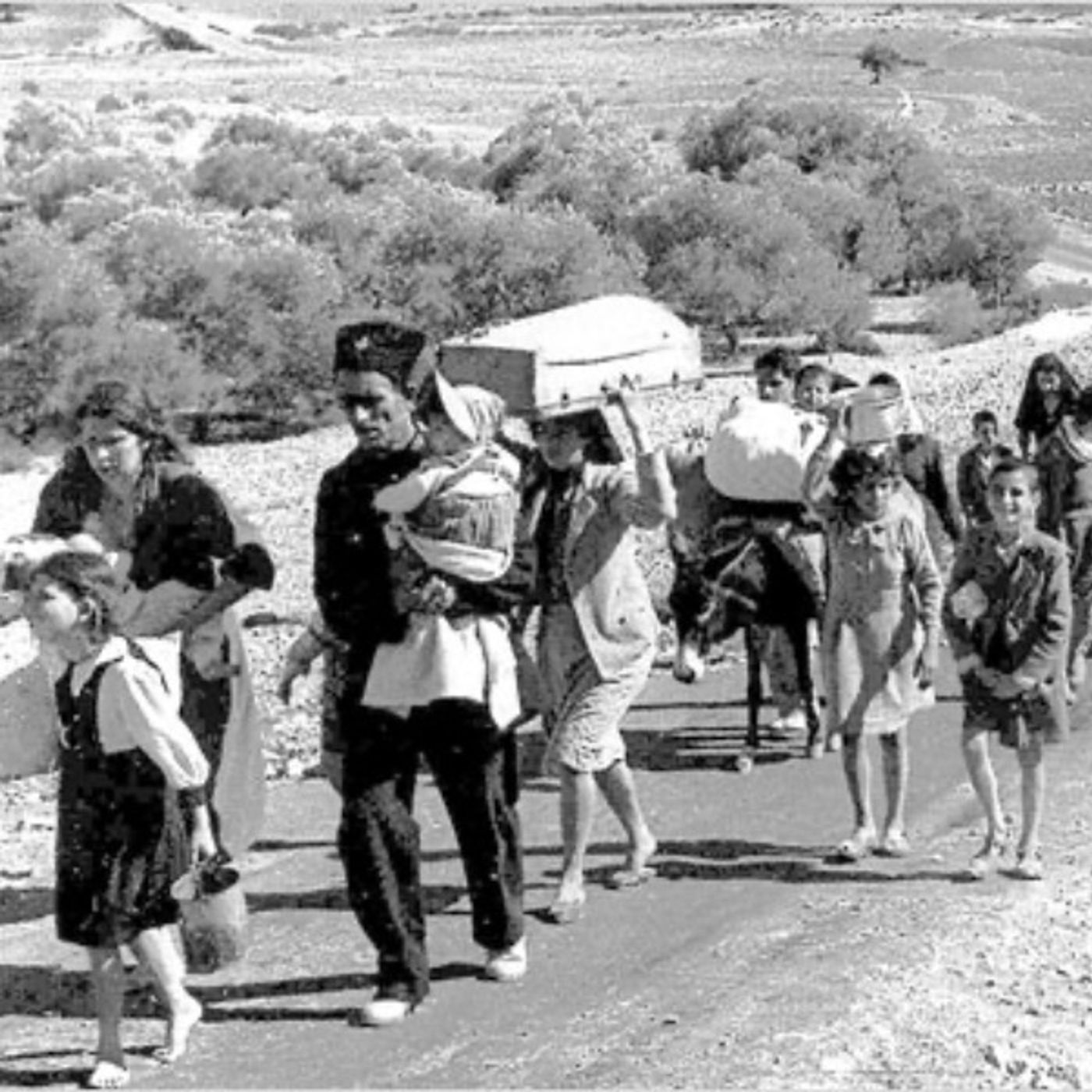
The UN’s recent resolution to recognize Nakba Day on May 15, to mark the anniversary of the expulsion of Palestinians from their homes in 1948, helps to acknowledge past traumas but does the resolution have other implications?On this week’s episode of Don’t Call Me Resilient, we meet up with M. Muhannad Ayyash, professor of sociology at Mount Royal University in Calgary to help unpack some of the
What the stories of the Crown Jewels tell us about exploitation and the quest for reparations
Although King Charles will have a low-key ceremony on his coronation day this May 6, the Crown Jewels will still figure prominently. An exploration of the story of the jewels tells a tale of brutal exploitation, rape and the original looting. Join us on Don't Call Me Resilient to follow the jewels. Much of what was called the British Empire was built from stolen riches - globally - and also from
Will the brilliance of Netflix's 'Beef' be lost in the shadow of a sexual assault controversy?
Beef premiered on Netflix this month to rave reviews and quickly became the top watched series on Netflix in the U.S. In Canada, it took the No. 2 spot.Beef is a dark comedy series created by Lee Sung Jin. It follows two L.A. strangers, courageously played by Ali Wong and Steven Yeun, who get into a road rage incident — and end up in an escalating feud.The show is a beautiful meditation on life an
Fast Fashion: Why garment workers' lives are still in danger 10 years after Rana Plaza
Fast fashion is that ever-changing need to have the latest beautiful thing at a bargain price - that club-ready piece of clothing, that status symbol shoe, or that must-have top you just found at the mall.But that cheap statement piece comes at a price. The fashion industry is the second most polluting industry in the world, after the oil and gas sector. It’s also famously unfair to its workers, t
The Vatican just renounced a 500-year-old doctrine that justified colonial land theft … Now what?
Last week, the Vatican finally distanced itself from the Doctrine of Discovery — a hundreds of years old decree that justified land theft and enslavement of people who were not Christian.In this episode of 'Don't Call Me Resilient,' political and Indigenous studies scholar Veldon Coburn explains why the Vatican's repudiation of the Doctrine is a huge symbolic victory. We also examine what this rep
Roxham Road: Asylum seekers won't just get turned back, they'll get forced underground
In this episode, migration expert Christina Clark-Kazak explains the devastating consequences of last week's meeting between United States President Joe Biden and Canadian Prime Minister Justin Trudeau. The meeting resulted in significant changes to a cross-border agreement and has already impacted the lives of thousands of asylum seekers attempting to make a life in Canada.We explore what these c
Trailer, Don't Call Me Resilient, Season 5
Host Vinita Srivastava goes deep with academic experts and those with lived experience to bring you your weekly dose of news, from an anti-racist perspective.
What’s so funny about race?
A lot of us turn to comedians we know and love to help us laugh at ourselves, our communities or the overwhelm of politics. Just look at the beautiful accolades received by Trevor Noah this month as he bade goodbye to his Daily Show audiences.Noah and other comedians like Roy Wood Jr., Mindy Kaling, Ali Wong, Chris Rock, and Hasan Minhaj put race and other sensitive issues at the centre of their c
How can we slow down youth gun violence?
It was 15 years ago: police officers flooded C. W. Jefferys Collegiate in northwest Toronto. Outside, hundreds of anxious parents stood waiting for answers. The news that police delivered – as we now know – was tragic.Fifteen-year-old Jordan Manners had been killed. It was the first time anyone had been fatally shot inside a Toronto school. Jordan’s death stunned his community and the nation. And
Why corporate diversity statements are backfiring
We’ve all heard the buzzwords: Equity, diversity, inclusion.For some, these terms evoke social change but for others, they conjure empty promises on a glossy corporate brochure or a workplace’s ineffective policy statement at the bottom of a job listing.In 2020, when Minneapolis police officer Derek Chauvin murdered George Floyd, worldwide protests against anti-Black police brutality and racism pr
How to decolonize journalism
Despite the jokes about our egos, many of us journalists got into the business because we felt a need to call out powerful institutions.But journalism itself is one of those powerful institutions, and it has failed time and again to address criticisms around who gets to tell the news and whose perspectives get left out.Some researchers have called this a crisis of journalism, a “digital reckoning.
Why isn’t anyone talking about who gets long COVID?
If you don’t pay close attention to news about COVID, you might think the pandemic is nearly over. But for the millions of people worldwide suffering from long COVID, that couldn’t be further from the truth. And the number of those experiencing long-term symptoms keeps growing: At least one in five of us infected with the virus go on to develop long COVID.The effects of long COVID are staggering.
The unfairness of the climate crisis
Join us on this episode of Don’t Call Me Resilient as we speak with researcher and migration expert Yvonne Su about climate-induced migration and the burden of care that is owed to displaced people.Recently, there have been some troubling images coming out of Pakistan, where devastating floods have taken the lives of more than 1,500 people and displaced close to 8 million. The floods have also sub

Trailer, Season 4
Welcome to Don’t Call Me Resilient, where we tackle systemic racism head-on and figure out ways to deal with it. This season, we’ll be delving into everything from tokenism at work to how long COVID is hitting women of colour especially hard. And from how climate change is wreaking havoc on the most vulnerable to how most journalists have a lot to learn about telling Indigenous stories. In each of

About the Queen, the Crown's crimes and how to talk about the unmourned
At Don’t Call Me Resilient, we’ve been busy planning season 4 of the podcast, which starts to roll out in November. We’re even starting to think about season 5. But we decided to stop production to talk about something we felt we couldn’t ignore.We’ve watched this incredible spectacle around the Queen’s death and public outpouring of support and love for the British monarchy.Here in Canada, Queen
Has the meaning behind the Canadian flag changed?
As we approach Canada Day — and the prospect of the return of "freedom" protests in Ottawa — let's consider the meaning and symbolism of the Canadian flag.After weeks of the so-called "freedom convoy" last winter, many of us took a hard look at the symbolism of the Canadian flag and its recent association with white supremacy. Some felt a new fear or anger at what they feel the flag represents.B
How powerful sounds of protest amplify resistance
Today, I speak with two people involved in sound studies who believe sound is an element of resistance. They explain why — in our hyper-visualized age of Instagram-perfect photos, sound is so compelling and why soundscapes can help to amplify voices of resistance.Nimalan Yoganathan is a PhD candidate at Concordia University. He studies protest tactics, and he looks at how different sound practitio
Why you shouldn't be afraid of critical race theory
Today we explore how applying critical race theory in classrooms across Canada helps both students and teachers. Teresa Fowler, assistant professor of Education at Concordia University of Edmonton joins us. So does Dwayne Brown, a PhD student in Education at York University, and a grade seven teacher with the Toronto District School Board. Both Brown and Fowler use critical race theory in their cl
Diamond mines are not a girl’s best friend
When you think diamonds, you probably think of romance, weddings and Valentine’s Day. And it’s no accident we think this way: A century of marketing has convinced us that diamonds symbolize love.In Canada, magazine ads celebrate the “purity” of Northern Canadian diamonds as an ethical alternative to conflict diamonds.But this marketing strategy actually hides enormous social problems that people l

TikTok is more than just a frivolous app for lip-synching and dancing
TikTok is perceived as a highly addictive video sharing platform with a lot of lively music and dance videos that encourages participation and replication: think macarena times 100 million. For many people it sounds like frivolous waste of time.But the app has revealed itself to have more depth than initially meets the eye.TikTok can be a place to learn, become politically aware and even discover
Niqab bans boost hate crimes against Muslims and legalize Islamophobia
Many people have an idealized vision of Canada as a gentle, kind and accepting society. However, last year, as a Muslim Canadian family took their evening stroll during lockdown in London, Ont., a white man rammed his pickup truck into them. Four of the five family members were killed.The incident sparked horror and outrage. But the truth of the matter is anti-Muslim sentiment has been on the stea

Unmarked graves of 215 Indigenous children were found in Kamloops a year ago: What's happened since?
**Warning: This episode contains details that some listeners may find distressing**It's been a year since the unmarked graves of 215 Indigenous children — some of them as young as three years old — were found on the grounds of the former Kamloops Indian Residential School in British Columbia. In this episode, Vinita speaks to Veldon Coburn, assistant professor at the Institute of Indigenous Resear
Don't Call Me Resilient - Trailer, Season 3
You can listen to all of the episodes or follow on Apple Podcasts, Google Podcasts, Spotify or wherever you listen to your favourite podcasts.We’d love to hear from you , including any ideas for future episodes. Join The Conversation on Twitter, Facebook and Instagram and use #DontCallMeResilient.Season 3 episodes launch May 18, 2022!
Will Smith's Oscar slap reveals fault lines as he defends Jada Pinkett Smith against Chris Rock
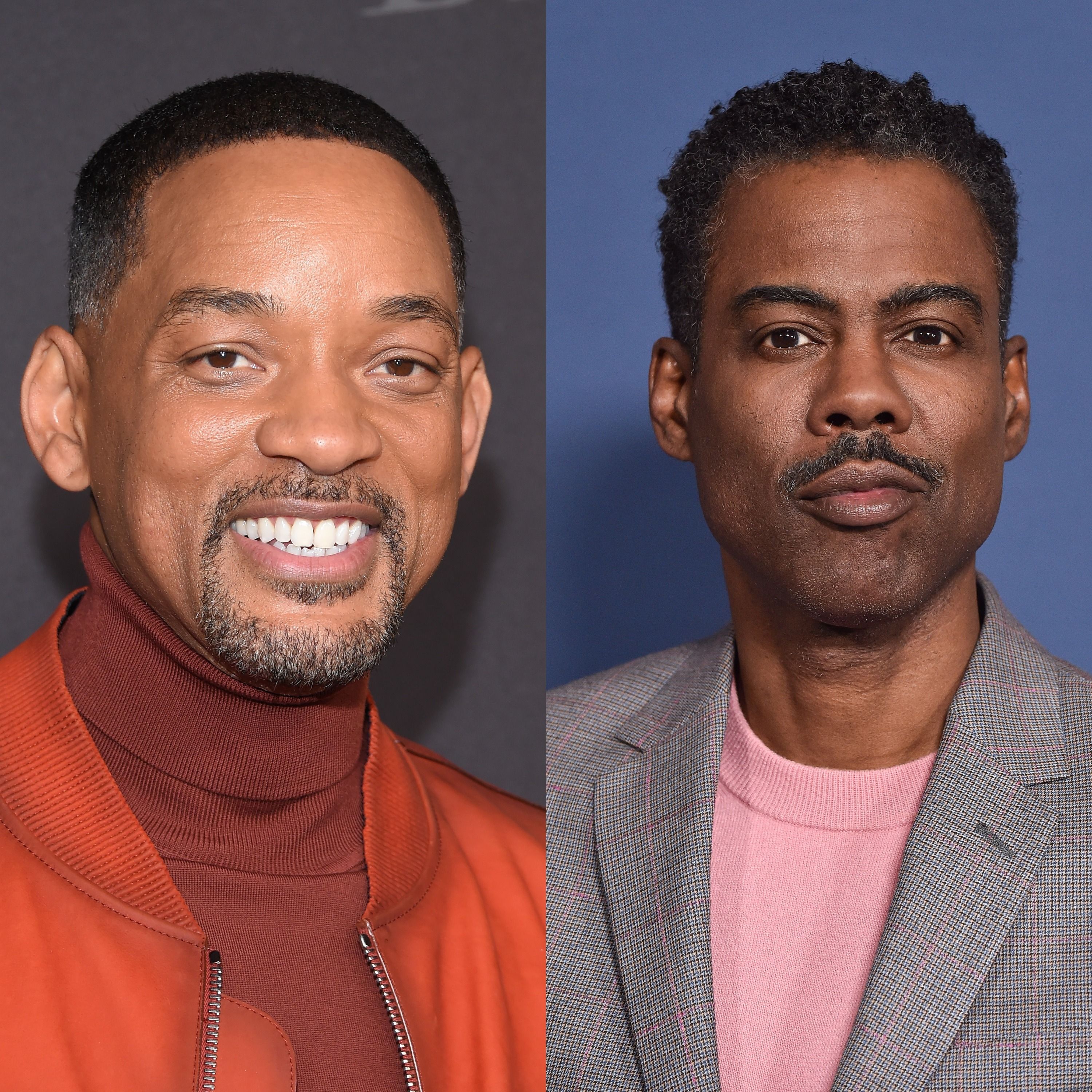
It felt like these Oscars were the first ones that weren’t actually so white. The whole event felt different. With attempts to display a more inclusive Hollywood, the showcase seemed to go beyond its usual tokenism.But there was the Will Smith-Chris Rock fiasco taking attention away from all this. In what became one of the most infamous moments in the history of the Oscars, Smith got out of his se

Making our food fairer
One out of every eight households in Canada is food insecure. For racialized Canadians, that number is higher – two to three times the national average. In this episode, Vinita asks what is happening with our food systems, and what we can do to make them fairer with two women who have been tackling this issue for years. Melana Roberts is Chair of Food Secure Canada and one of the leaders behind Ca

Why pollution is as much about colonialism as chemicals
The state of our environment just keeps getting scarier and scarier, yet it feels like we have yet to find a way forward. Two Indigenous scholars who run labs to address the climate crisis say bringing an Indigenous understanding to environmental justice could help us get unstuck. A big part of that is seeing pollution through a new lens – one that acknowledges it is as much about racism and colon

Being Watched: How surveillance amplifies racist policing and threatens the right to protest
Many of us know our personal data is being collected online and used against us – to get us to buy certain things or vote a certain way. But for marginalized communities, the collection of data and photos has much bigger implications. Vinita is joined by two researchers who are calling for new protections for the most vulnerable populations. Yuan Stevens is the Policy Lead in the Technology, Cybe

Model minority blues: The mental health consequences of being a model citizen
The pandemic has taken a toll on our collective mental health. But according to a recent Statistics Canada report, South Asians reported a steeper decline than any other diaspora in Canada. Why? The idea of being a model minority – of having to live up to exacting high standards – is a big part of it. Two long-time researchers and activists join Vinita for an intimate conversation about that and o

Stolen identities: What does it mean to be Indigenous?
Over the last few years, we’ve seen a lot of high-profile figures accused of falsely claiming Indigenous identity, of being “Pretendians.” These cases have become big news stories, but they have big real-life consequences, too. Misidentifying as Indigenous can have financial and social consequences, with the misdirection of funds, jobs or grants meant for Indigenous peoples. Vinita delves into it

How stories about alternate worlds can help us imagine a better future
Stories are a powerful tool to resist oppressive situations. They give writers from marginalized communities a way to imagine alternate realities, and to critique the one we live in. In this episode, Vinita speaks to two storytellers who offer up wonderous “otherworlds” for Indigenous and Black people. Selwyn Seyfu Hinds is an L.A-based screenwriter who wrote for Jordan Peele’s The Twilight Zone a