Tzfunot
Tzfunot is a Torah-study podcast hosted by Rabbi Binyomin Bitton that makes in-depth Jewish learning accessible, engaging, relevant, and enjoyable. It offers insights from the Talmud, the Rogatchover Gaon, and the Lubavitcher Rebbe. Episodes are available in English, Hebrew, and French. The podcast is associated with Chabad City Centre, and listeners can send feedback or support the work through the provided contact and donation links.
Episodes
Netitzat Even: Removing Sanctity or Creating a Pesul?
What is the nature of the prohibition against removing a stone from the Beit HaMikdash—is it the removal of the stone’s sanctity, or creating a deficiency in the Mikdash itself? A novel insight of the Rogatchover sheds light on the Rambam’s precise wording and the distinction between the Mizbe’ach, the Heichal, and the Azarah.לקוטי שיחות, חלק כט, תבוא ב, הערה 53

Shotrim: Executing Judgment or Compelling Compliance?
This shiur explores the Rebbe's novel analysis of the two gedarim of shotrim, revealing the basis for the two approaches in Likkutei Sichos regarding the Rambam's shita, based on Rabbi Yechiel Kalmenson's brilliant explanation in Mei Tal.לקוטי שיחות, חלק לד, שופטים א
Reshimos Al HaTanya: Standing Before an Osek B’Mitzvah
An in-depth exploration of the Rebbe’s Reshimos Al HaTanya on the Alter Rebbe’s ruling that one must stand before an osek b’mitzvah. Through a careful analysis of the Rebbe’s precise language, structure, and subtle diyukim in the ha’arah, this episode uncovers profound depth within the Reshimos Al HaTanya. Delivered in honor of the Shavuos 5786 Kinus Torah in Vancouver.For the source in Reshimos A
Yom T’voach: Technicality or Principle?
What lies behind the observance of יום טבוח after Shavuos? Is it simply due to a lack of time to bring the korbanos on Yom Tov—or does it reflect a deeper halachic position?The Alter Rebbe’s surprising assertion that even בית הלל followed this practice raises a fundamental question: what is his source, and why would בית הלל align with בית שמאי?Through a careful analysis of the Rebbe’s sicha—engagi
Two Models of Giving: For the Giver or the Recipient?
Through a novel analysis of the Rebbe, this shiur uncovers two fundamentally different models of giving: one centered on the refinement of the giver, and the other on the needs of the recipient.With careful readings of Rambam and Tanya, we will discover how this distinction reshapes the application of the halachic limit of אל יבזבז יותר מחומש.לקוטי שיחות, חלק כז, בחוקותי ג
Korban Metzora for Another: Neder or Kaparah?
When one undertakes to bring a korban metzora on behalf of another, what is the nature of that obligation: a personal neder, or a din in the metzora’s kaparah?Through a focused analysis of the Rebbe and the Rogatchover, this shiur uncovers a novel approach: two parallel dinim coexist, with practical ramifications in cases such as a wealthy donor bringing the offering of a poor metzora.לקוטי שיחות,
Melech ben Melech: Inheriting the Crown
When a king’s son succeeds him, no new anointing is required—but why? Is it merely an inheritance, or does the father’s original meshicha extend to the son?Explore a penetrating analysis from the Rebbe and the Rogatchover that reexamines yerushas hamalchus and reveals far-reaching halachic implications.לקוטי שיחות, חלק לב, ניסן, הערה 38
What Is the Definition of Writing the Megillah?
What Is the Definition of Writing the Megillah?
Reading, Ketuvim, or an Inherent Act of WritingIs the Megillah just for reading — or something more?The Rebbe and the Rogatchover Gaon on the geder of writing the Megillah: as a means to reading, as part of the canon of Ketuvim, or as an act with independent significance — granting the Megillah a unique, enduring status, like the Chumashim themselves

עיונים בלקוטי שיחות: חצאי עיגול – עיון ומשמעות
לעיתים, מילים מסוימות בפסקה של השיחה מופיעות בתוך סוגריים — וכך מתקבלת משמעות כפולה למשפט, הן עם הסוגריים והן בלעדיהם.בשיעור זה ננתח מגוון דוגמאות של סוגריים בשיחה, נחשוף את המשמעות והקוד הפנימי הטמונים בהם, ונגלה כיצד כל מילה — ואף כל סימן — מדודים ומכוונים בדייקנות מופלאה.השיעור ניתן (בלה״ק) בישיבת תורת אמת, ירושלים עיה״ק.האזינו וגלו רובד חדש בלימוד שיחה בעיון.
Meshukadim: A Law of the Menorah or a General Hiddur Mitzvah?
Is meshukadim an integral law of the Menorah itself, or a general expression of hiddur mitzvah?This shiur analyzes the Rebbe’s chiddush through the pnim of the sicha together with its ha’aros, uncovering three distinct conceptual approaches to the status of meshukadim. These approaches lead to different readings of the Gemara’s "ein lo hachra’ah" as understood by the Rambam—whether meshu
Is Conversion Today Complete?
Four Approaches to Defining Conversion Then and NowThe Rebbe, the Rogatchover Gaon, and the Avnei Nezer on giyur: its structure, the roles of milah, tevilah, and korban, and the difference between conversion in the time of the Beit Hamikdash and today.לקוטי שיחות, חלק כו, משפטים ג
The Rogatchover on Ben Noach and Ger Toshav
Must sustaining a Ben Noach depend on formal acceptance of the Seven Mitzvot before a beit din, or is voluntary acceptance enough?In a letter to the Rebbe, the Rogatchover seems to contradict his opinion as stated in the sicha. This shiur shows how a subtle remark in Shulei HaGilyon may resolve the apparent contradiction by distinguishing two forms of sustaining a Ben Noach.לקוטי שיחות, חלק כו, ית
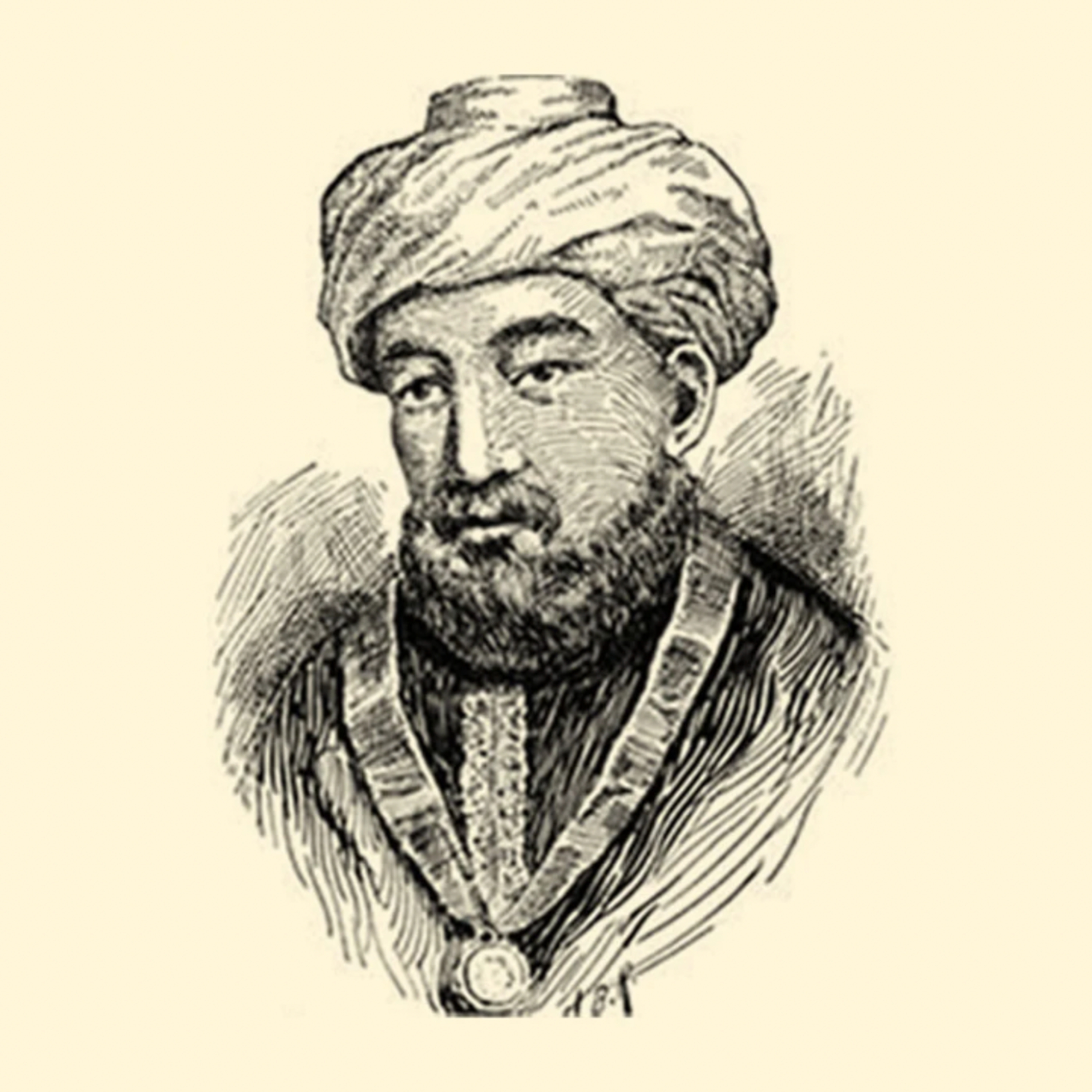
Rambam: Purpose and Methodology of Mishneh Torah
In this episode we will explore and analyze the purpose and methodology of Rambam's Mishneh Torah.
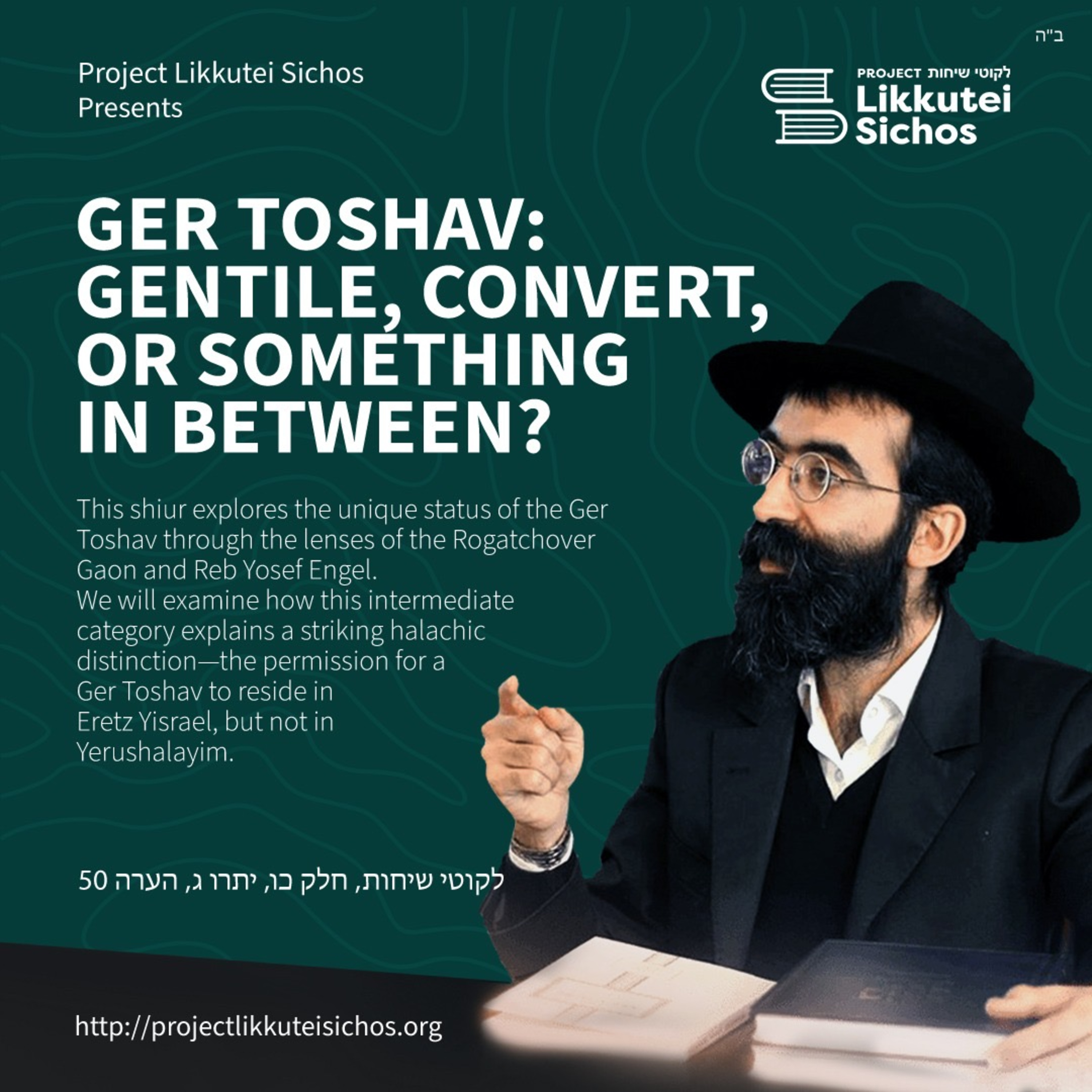
Ger Toshav: Gentile, Convert, or Something in Between?
This shiur explores the unique status of the Ger Toshav through the lenses of the Rogatchover Gaon and Reb Yosef Engel. We will examine how this intermediate category explains a striking halachic distinction—the permission for a Ger Toshav to reside in Eretz Yisrael, but not in Yerushalayim.לקוטי שיחות, חלק כו, יתרו ג, הערה 50
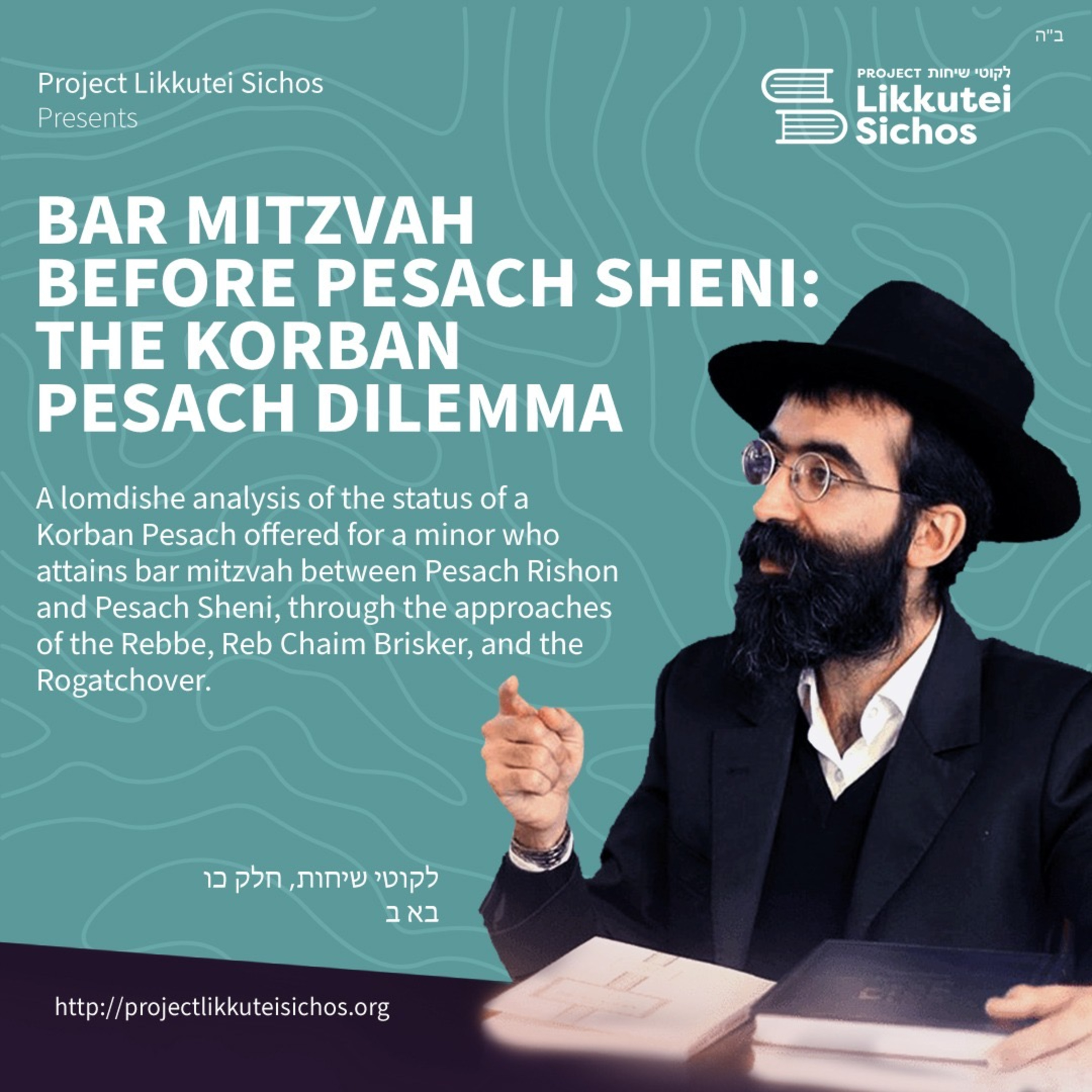
Bar Mitzvah before Pesach Sheni: The Korban Pesach Dilemma
A lomdishe analysis of the status of a Korban Pesach offered for a minor who attains bar mitzvah between Pesach Rishon and Pesach Sheni, through the approaches of the Rebbe, Reb Chaim Brisker, and the Rogatchover.לקוטי שיחות, חלק כו, בא ב
Rashi’s Methodology | Ep. 48: The Mitzvah of Challah
What is unique about Rashi’s commentary to the Torah? What is the meaning of 'Peshuto shel Mikrah'? What is the Rebbe’s novel method in studying Rashi?A new course exploring the novel approach to Rashi’s methodology on the Torah, as introduced by the Lubavitcher Rebbe.This course will analyze the ‘Klalei Rashi’ (principles and methods of Rashi study), and will guide students on how to appl
Rashi’s Methodology | Ep. 47: Yaakov and Esav
What is unique about Rashi’s commentary to the Torah? What is the meaning of 'Peshuto shel Mikrah'? What is the Rebbe’s novel method in studying Rashi?A new course exploring the novel approach to Rashi’s methodology on the Torah, as introduced by the Lubavitcher Rebbe.This course will analyze the ‘Klalei Rashi’ (principles and methods of Rashi study), and will guide students on how to appl
‘Leshitatei’ Methodology | Episode 15: Rabban Gamliel and the Rabbanan
This series will explore the Talmudic methodology of ‘Leshitatei’ — a unique method of study, commonly found in the Talmud and its commentaries.Specifically, we will discover the novel approach to ‘Leshitatei’ as introduced in the teachings of the Lubavitcher Rebbe.In this final episode in the series, we will be introduced to the ‘Leshitatei’ and the unified theory that runs through the arguments
‘Leshitatei’ Methodology | Episode 14: Quantity or Quality?
This series will explore the Talmudic methodology of ‘Leshitatei’ — a unique method of study, commonly found in the Talmud and its commentaries.Specifically, we will discover the novel approach to ‘Leshitatei’ as introduced in the teachings of the Lubavitcher Rebbe.In this episode we will be introduced to the ‘Leshitatei’ and the unified theory that runs through the arguments of Rabban Gamliel and
‘Leshitatei’ Methodology | Episode 13: Torah Study, Prayer and Monetary Claims
This series will explore the Talmudic methodology of ‘Leshitatei’ — a unique method of study, commonly found in the Talmud and its commentaries.Specifically, we will discover the novel approach to ‘Leshitatei’ as introduced in the teachings of the Lubavitcher Rebbe.In this episode we will present three arguments between Rabban Gamliel and the Chachamim, and explore the unified theory that runs thr
‘Leshitatei’ Methodology | Episode 12: Layers Upon Layers
This series will explore the Talmudic methodology of ‘Leshitatei’ — a unique method of study, commonly found in the Talmud and its commentaries.
Specifically, we will discover the novel approach to ‘Leshitatei’ as introduced in the teachings of the Lubavitcher Rebbe.
In this episode we will discover how the ‘tzrichuta’ principle is applied by the Rebbe to the study method of ‘Leshitatei’.
‘Leshitatei’ Methodology | Episode 11: Chanukah, Fish and Honey
This series will explore the Talmudic methodology of ‘Leshitatei’ — a unique method of study, commonly found in the Talmud and its commentaries.
Specifically, we will discover the novel approach to ‘Leshitatei’ as introduced in the teachings of the Lubavitcher Rebbe.
In this episode we will present three arguments between Beit Shammai and Beit Hillel, and explore the unified theory that runs throu
‘Leshitatei’ Methodology | Episode 10: The ‘Tzrichuta’ Principle
This series will explore the Talmudic methodology of ‘Leshitatei’ — a unique method of study, commonly found in the Talmud and its commentaries.
Specifically, we will discover the novel approach to ‘Leshitatei’ as introduced in the teachings of the Lubavitcher Rebbe.
In this episode we will explore the principle of ‘tzrichuta’; a commonly used Talmudic logic, revealing the necessity of two apparen
‘Leshitatei’ Methodology | Episode 9: The Nassi vs. the Jewish Court
This series will explore the Talmudic methodology of ‘Leshitatei’ — a unique method of study, commonly found in the Talmud and its commentaries.
Specifically, we will discover the novel approach to ‘Leshitatei’ as introduced in the teachings of the Lubavitcher Rebbe.
In this episode we will explore how the roles of the Tanaim and Amoraim may have influenced their ‘Leshitatei’ way of thinking.
‘Leshitatei’ Methodology | Episode 8: Israel vs. Babylonia
This series will explore the Talmudic methodology of ‘Leshitatei’ — a unique method of study, commonly found in the Talmud and its commentaries.
Specifically, we will discover the novel approach to ‘Leshitatei’ as introduced in the teachings of the Lubavitcher Rebbe.
In this episode we will explore how the location of the Tanaim and Amoraim may have influenced their ‘Leshitatei’ way of thinking.
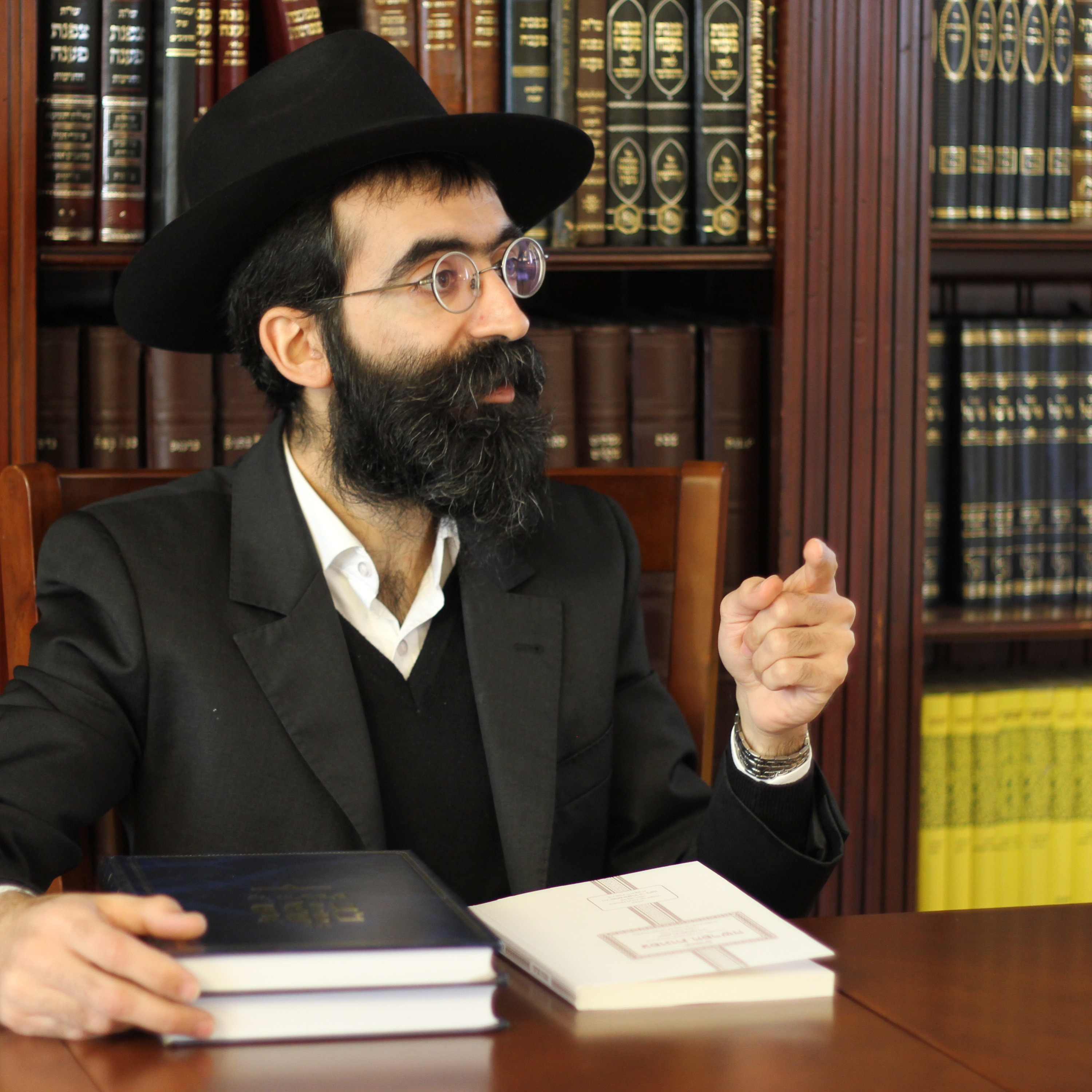
‘Leshitatei’ Methodology | Episode 7: The Souls of Beit Shammai and Beit Hillel
This series will explore the Talmudic methodology of ‘Leshitatei’ — a unique method of study, commonly found in the Talmud and its commentaries.
Specifically, we will discover the novel approach to ‘Leshitatei’ as introduced in the teachings of the Lubavitcher Rebbe.
In this episode we will explore the unified theory that runs through the arguments of the two schools of thought, Beit Shammai and B
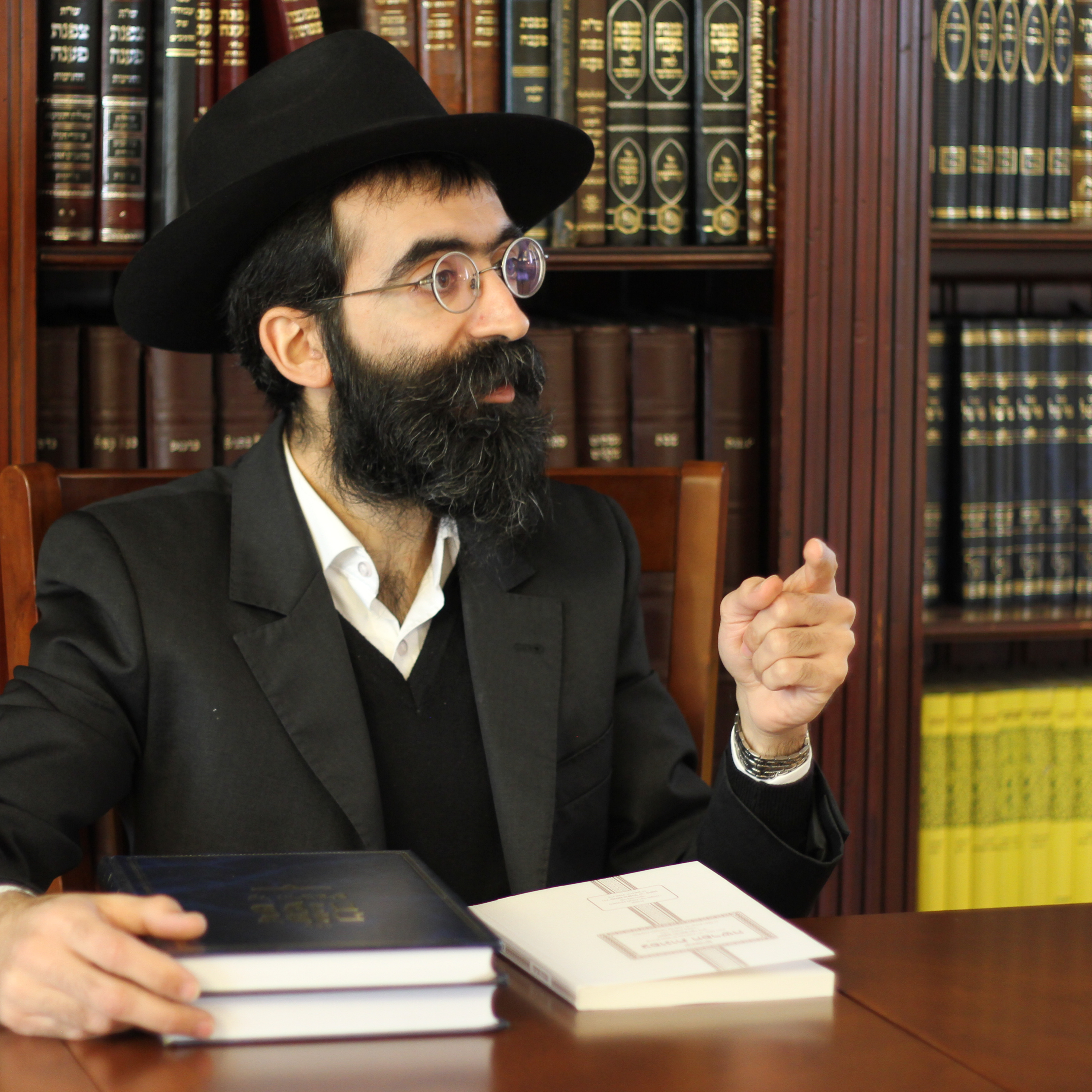
‘Leshitatei’ Methodology | Episode 6: Personalities and Mindsets
This series will explore the Talmudic methodology of ‘Leshitatei’ — a unique method of study, commonly found in the Talmud and its commentaries.
Specifically, we will discover the novel approach to ‘Leshitatei’ as introduced in the teachings of the Lubavitcher Rebbe.
In this episode we will be introduced to the personal connection between the sages of the Talmud and their respective opinions. More
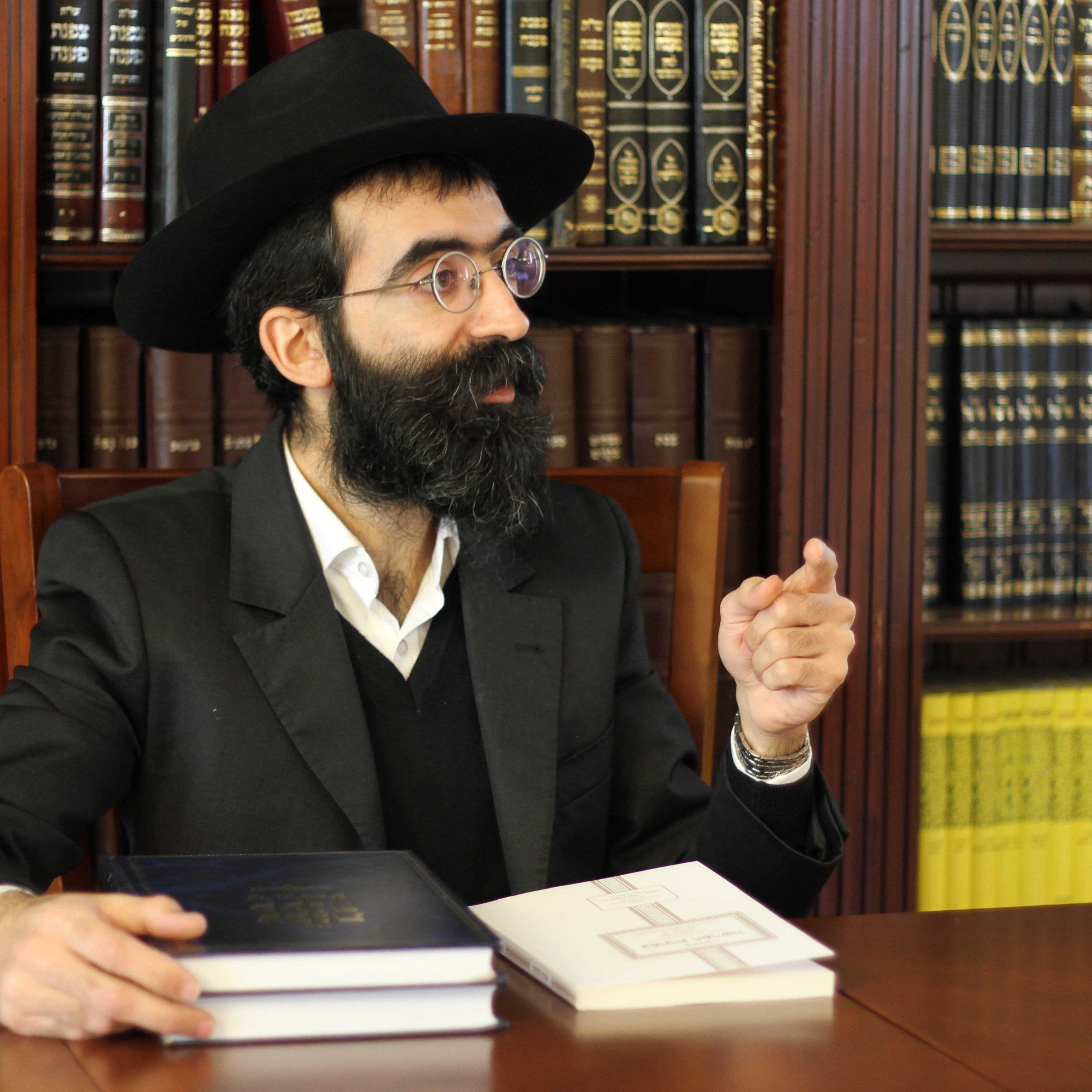
‘Leshitatei’ Methodology | Episode 5: The Quintessential Logic
This series will explore the Talmudic methodology of ‘Leshitatei’ — a unique method of study, commonly found in the Talmud and its commentaries.
Specifically, we will discover the novel approach to ‘Leshitatei’ as introduced in the teachings of the Lubavitcher Rebbe.
In this episode we will present a "taste" of the ‘Leshitatei’ methodology. We will explore the unified theory that runs th
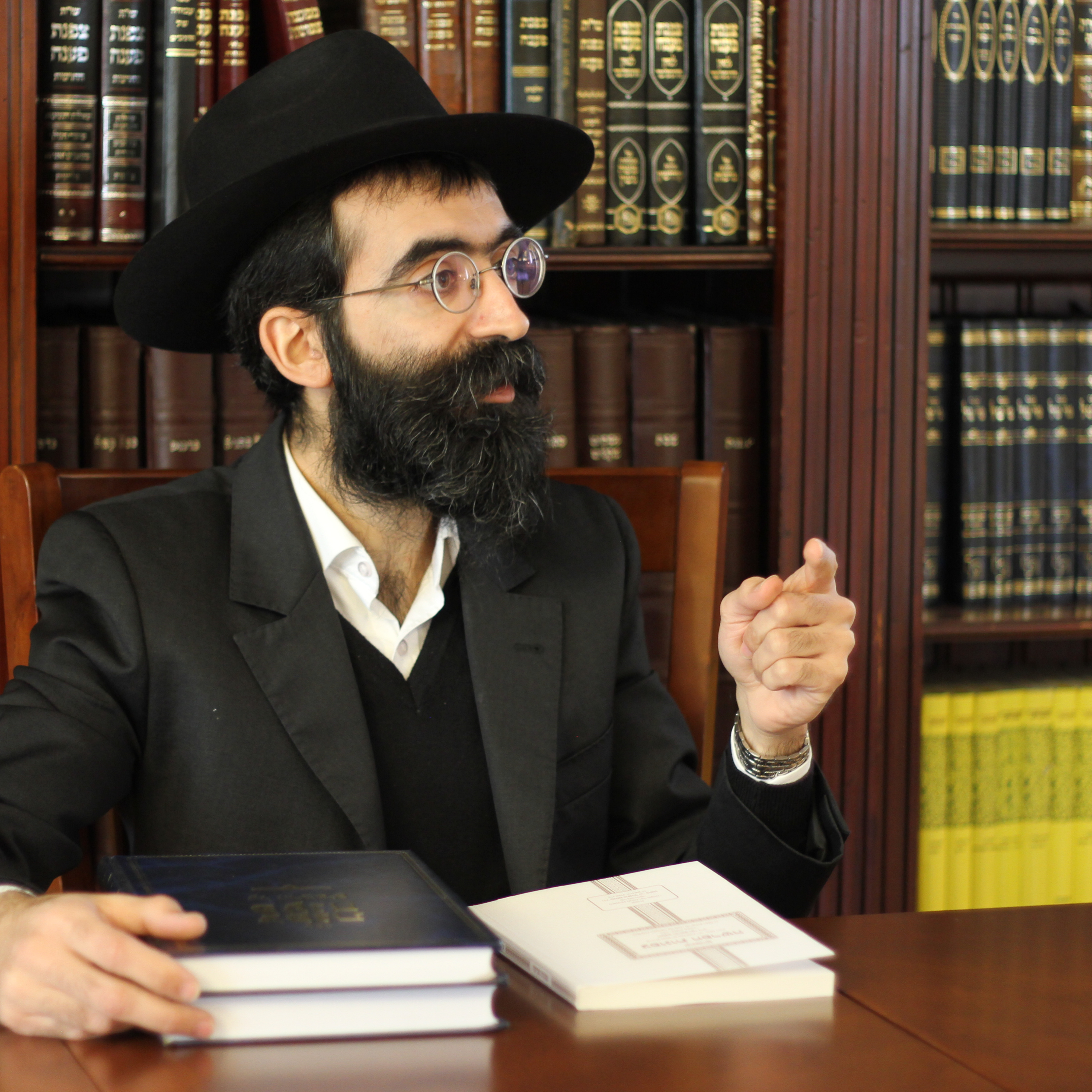
‘Leshitatei’ Methodology | Episode 4: Rabbi Yehudah and Rabbi Shimon
This series will explore the Talmudic methodology of ‘Leshitatei’ — a unique method of study, commonly found in the Talmud and its commentaries.
Specifically, we will discover the novel approach to ‘Leshitatei’ as introduced in the teachings of the Lubavitcher Rebbe.
In this episode we will present a "taste" of the ‘Leshitatei’ methodology. We will begin by exploring three Talmudic argum
‘Leshitatei’ Methodology | Episode 3: The Rogatchover and the Unified Theory
This series will explore the Talmudic methodology of ‘Leshitatei’ — a unique method of study, commonly found in the Talmud and its commentaries.
Specifically, we will discover the novel approach to ‘Leshitatei’ as introduced in the teachings of the Lubavitcher Rebbe.
In this episode we will explore the Rogatchover's unique and profound method of Torah study, and how the Rebbe applied it to the
‘Leshitatei’ Methodology | Episode 2: The Rebbe's Novel Method
This series will explore the Talmudic methodology of ‘Leshitatei’ — a unique method of study, commonly found in the Talmud and its commentaries.
Specifically, we will discover the novel approach to ‘Leshitatei’ as introduced in the teachings of the Lubavitcher Rebbe.
In this episode we will explore the second approach to ‘Leshitatei’ — the novel method as introduced by the Rebbe.
‘Leshitatei’ Methodology | Episode 1: The Typical Method
This series will explore the Talmudic methodology of ‘Leshitatei’ — a unique method of study, commonly found in the Talmud and its commentaries.
Specifically, we will discover the novel approach to ‘Leshitatei’ as introduced in the teachings of the Lubavitcher Rebbe.
In this episode we will explore the first approach to ‘Leshitatei’ — the typical method commonly used by Talmudic scholars.

תורה אחת: נגלה וחסידות
מגוון סוגיות בנגלה דתורה, שרובן מיוסדות על חידושי הגאון הרוגצ׳ובי, מבוארות ומוטעמות לאור הפירוש הפנימי והחסידי במשנת הרבי.מתוך שיעור שנמסר (בלה״ק) בישיבת תומכי תמימים ליובאוויטש, ברינוא צרפת.מוגש לרגל י״ט כסלו, ראש השנה לחסידות.

Lulav in Sukkah: Hiddur in Sukkah or in Lulav?
Analyzing the Rebbe’s chakira if shaking the Lulav in the Sukkah is a detail & hiddur in the mitzvah of Sukkah or in the mitzvah of Lulav, and its ramification in the situation when one is exempt from Sukkah.
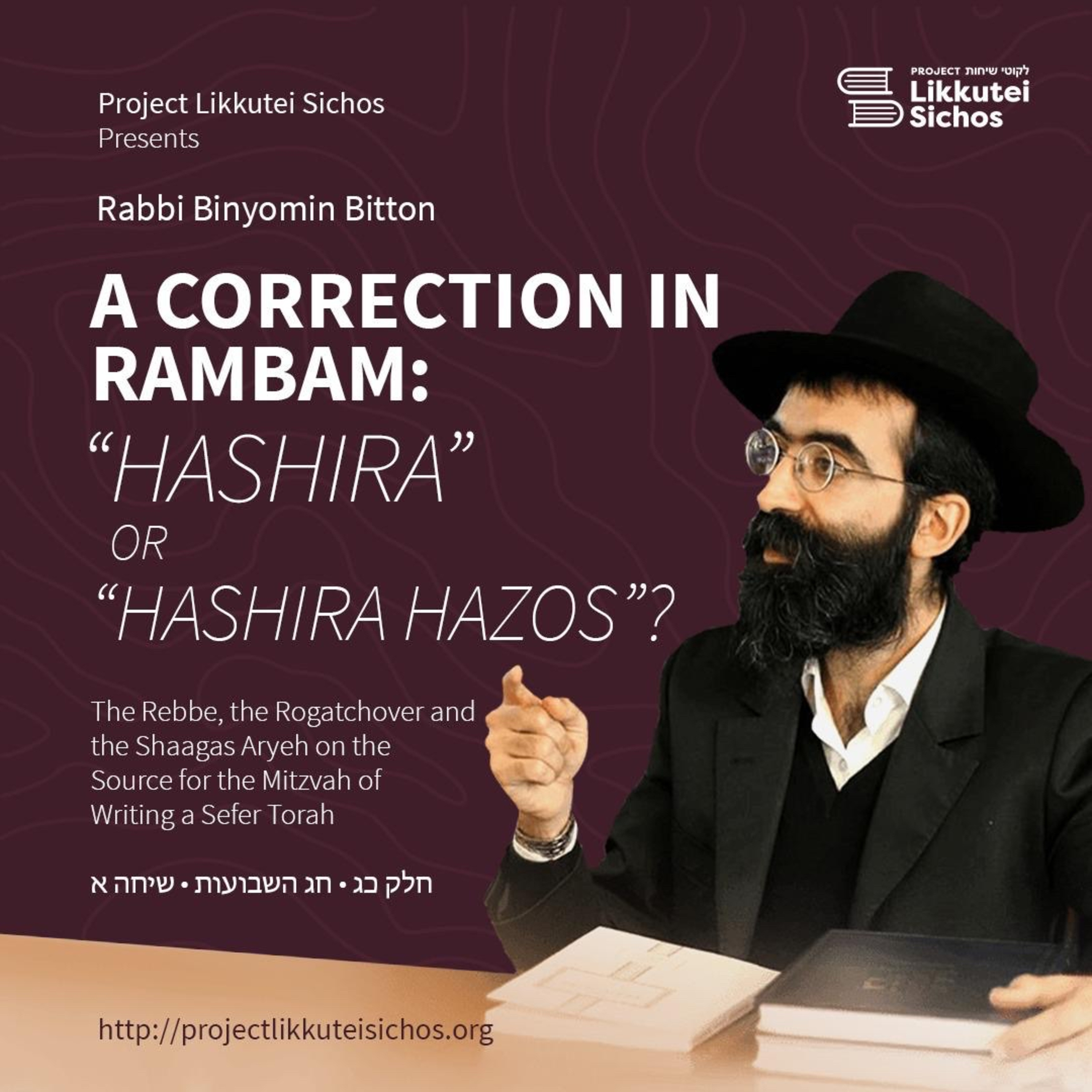
A Correction in Rambam: “Hashira” or “Hashira Hazos”?
A Correction in Rambam: “Hashira” or “Hashira Hazos”?
The Lubavitcher Rebbe, the Rogatchover and the Shaagas Aryeh on the Source for the Mitzvah of Writing a Sefer Torah.
The Hakhel Sefer Torah: Moshe’s or the Melech’s?
The Rebbe and the Rogatchover on the identity of the Sefer Torah used for Hakhel, whether it was the Sefer Torah written by Moshe Rabbenu placed in the Aron Hakodesh, or the personal Sefer Torah of the King.

The Mitzvah of Shofar: Sounding or Hearing?
This episode will analyze the two approaches to the definition of the mitzvah of Shofar, their reasonings, and several practical ramifications that evolve thereof.
The Bikkurim and the Basket - Part 2
Is the basket just to bring the Bikkurim or does it become part of the Bikkurim themselves?Four ways to define the relation between the basket and the Bikkurim, and its ramifications in the gifting of baskets to the Kohanim. Part 2: The Nafka Minosלקוטי שיחות, חלק כט, תבוא א
The Bikkurim and the Basket - Part 1
Is the basket just to bring the Bikkurim or does it become part of the Bikkurim themselves?Four ways to define the relation between the basket and the Bikkurim, and its ramifications in the gifting of baskets to the Kohanim. Part 1: The Four Shitosלקוטי שיחות, חלק כט, תבוא א
Rogatchover on Ma’akeh: Bais Hamikdash vs. Shuls | Episode 6
The Rebbe and the Rogatchover on the mitzvah of building a ma’akeh on the roof of a house, and the difference between the Bais Hamikdash, which requires a ma’akeh, and a shul, which is exempt.
Rogatchover on Ma’akeh: Bais Hamikdash vs. Shuls | Episode 5
The Rebbe and the Rogatchover on the mitzvah of building a ma’akeh on the roof of a house, and the difference between the Bais Hamikdash, which requires a ma’akeh, and a shul, which is exempt.
Rogatchover on Ma’akeh: Bais Hamikdash vs. Shuls | Episode 4
The Rebbe and the Rogatchover on the mitzvah of building a ma’akeh on the roof of a house, and the difference between the Bais Hamikdash, which requires a ma’akeh, and a shul, which is exempt.
Rogatchover on Ma’akeh: Bais Hamikdash vs. Shuls | Episode 3
The Rebbe and the Rogatchover on the mitzvah of building a ma’akeh on the roof of a house, and the difference between the Bais Hamikdash, which requires a ma’akeh, and a shul, which is exempt.
Rogatchover on Ma’akeh: Bais Hamikdash vs. Shuls | Episode 2
The Rebbe and the Rogatchover on the mitzvah of building a ma’akeh on the roof of a house, and the difference between the Bais Hamikdash, which requires a ma’akeh, and a shul, which is exempt.
Rogatchover on Ma’akeh: Bais Hamikdash vs. Shuls | Episode 1
The Rebbe and the Rogatchover on the mitzvah of building a ma’akeh on the roof of a house, and the difference between the Bais Hamikdash, which requires a ma’akeh, and a shul, which is exempt.
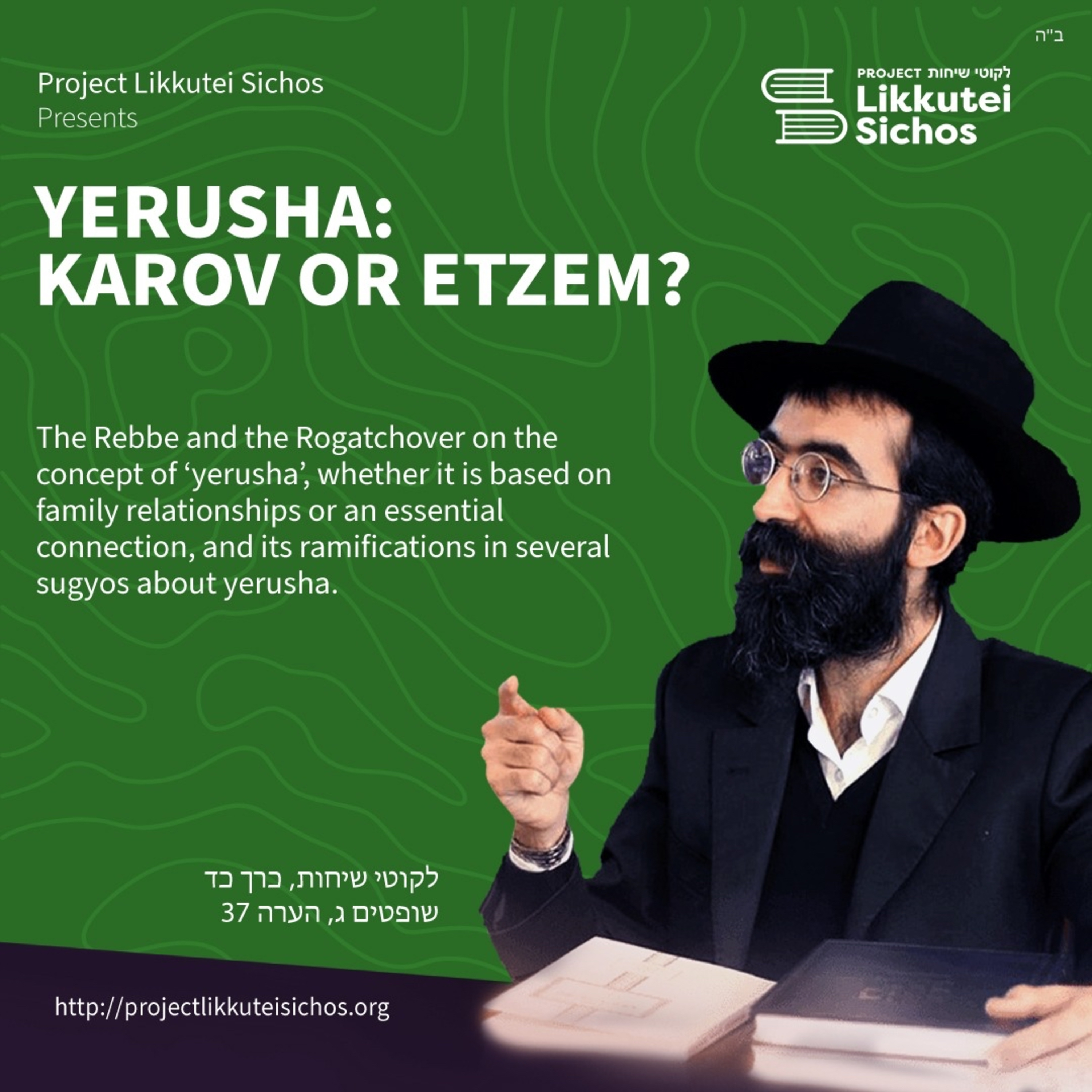
Yerusha: Karov or Etzem?
The Rebbe and the Rogatchover on the concept of ‘yerusha’, whether it is based on family relationships or an essential connection, and its ramifications in several sugyos about yerusha.

Should laid-off employees be given a severance pay? | Episode 4
The Rebbe, the Minchas Chinuch and the Mishneh L’Melech on the definition of the mitzvah of ‘ha’anakah’ given to the freed slave, and the ramification thereof on whether it can be applied to employees being laid-off from their employment nowadays or not.

Should laid-off employees be given a severance pay? | Episode 3
The Rebbe, the Minchas Chinuch and the Mishneh L’Melech on the definition of the mitzvah of ‘ha’anakah’ given to the freed slave, and the ramification thereof on whether it can be applied to employees being laid-off from their employment nowadays or not.

Should laid-off employees be given a severance pay? | Episode 2
The Rebbe, the Minchas Chinuch and the Mishneh L’Melech on the definition of the mitzvah of ‘ha’anakah’ given to the freed slave, and the ramification thereof on whether it can be applied to employees being laid-off from their employment nowadays or not.

Should laid-off employees be given a severance pay? | Episode 1
The Rebbe, the Minchas Chinuch and the Mishneh L’Melech on the definition of the mitzvah of ‘ha’anakah’ given to the freed slave, and the ramification thereof on whether it can be applied to employees being laid-off from their employment nowadays or not.
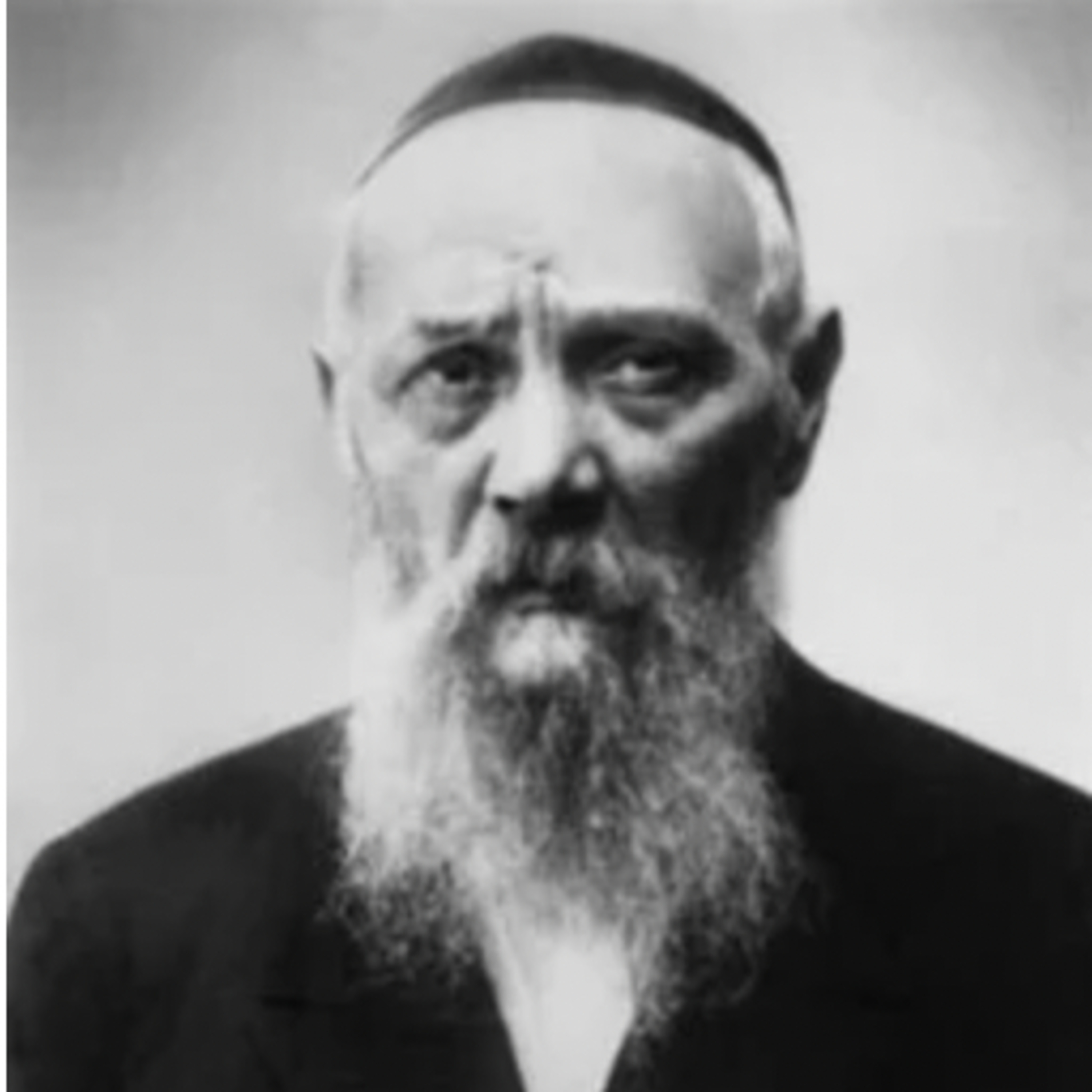
Rabbi Levi Yitzchak: Abaye and Rava (English)
In this episode we will present Rabbi Levi Yitzchak's novel kabbalistic explanation on the leshitasei of Abaye and Rava in the talmudic arguments known as 'Yaal Kegam', and suggest a possible explanation how to apply the Kabbalisitc concept in Halachic terms.
Presented in honour of the 20th of Menachem Av, the yahrtzeit of Rabbi Levi Yitzchak Schneerson, the Rebbe's father.
Tefila on Gzar Din: Before and After
Deciphering the Rebbe’s footnotes on the opinions regarding canceling a decree through Tefila, before and after the gzar din, for an individual or for a community, and its ramifications regarding Moshe’s Tefila to enter Eretz Yisrael.

Hadran Masechet Avodah Zarah | Episode 5: Exploring the Details of the Story
This series will explore the Rebbe’s novel approach to the Talmud story recorded at the end of Tractate Avodah Zarah about Shvor Malka, Rav Yehuda, Bati and the Etrog, based on the Hadran published in Likkutei Sichot, vol. 19, Devarim 5.
In this episode we will explore how every ‘minor’ detail of the story can be explained according to the Rebbe’s chiddush.

Hadran Masechet Avodah Zarah | Episode 4: Analyzing a Reference to the Ritva
This series will explore the Rebbe’s novel approach to the Talmud story recorded at the end of Tractate Avodah Zarah about Shvor Malka, Rav Yehuda, Bati and the Etrog, based on the Hadran published in Likkutei Sichot, vol. 19, Devarim 5.
This episode will analyze a reference the Rebbe makes to the Ritva in tracates Avodah Zarah and Niddah, and will suggest a possible diyuk in the Sicha.

Hadran Masechet Avodah Zarah | Episode 3: Shvor Malka, Rav Yehuda, Bati and the Esrog
This series will explore the Rebbe’s novel approach to the Talmud story recorded at the end of Tractate Avodah Zarah about Shvor Malka, Rav Yehuda, Bati and the Etrog, based on the Hadran published in Likkutei Sichot, vol. 19, Devarim 5.
This episode will present a summary of the Rebbe’s questions and answers on the Talmud story recorded at the end of Tractate Avodah Zarah.

Hadran Masechet Avodah Zarah | Episode 2: What was the issue with Shvor Malka’s knife?
This series will explore the Rebbe’s novel approach to the Talmud story recorded at the end of Tractate Avodah Zarah about Shvor Malka, Rav Yehuda, Bati and the Etrog, based on the Hadran published in Likkutei Sichot, vol. 19, Devarim 5.
This episode will present a comprehensive overview of the opinions in the poskim with regards to kashering a knife. Based on footnotes 13-14, this episode serves

Hadran Masechet Avodah Zarah | Episode 1: The Rogatchover on the mechanism of Rabbinical enactments
This series will explore the Rebbe’s novel approach to the Talmud story recorded at the end of Tractate Avodah Zarah about Shvor Malka, Rav Yehuda, Bati and the Etrog, based on the Hadran published in Likkutei Sichot, vol. 19, Devarim 5.
In this episode we will decipher the Rogatchover's approach on the mechanism of Rabbinical enactments, and how the Rebbe applies this concept further on the mach
Midian: Nekama or Conquering?
Is the war against Midian for the purpose of nekama, conquering Midian, or a combination of the two?
The Rebbe and the Rogatchover on the definition of the Midian war, and its ramifications with regards to the war strategy, the participation of the tribe of Levi, and the distribution of the spoils of war.
Nassi vs. Melech: Moshe, Yehoshua and Moshiach
The Rebbe and the Rogatchover on the definition of Nesiut and Malchut with regards to Moshe, Yehoshua and Moshiach, and its ramification on whether they require to be anointed, as any other king, or not.
Nations of the World: A Metziut Toranit?
The Rebbe and the Rogatchover on the status of the nations of the world in Halacha and Chassidut, and its ramifications in their purpose of creation, the status of their shechita, are they under “hashgacha pratit”, and their status in the era of Moshiach.
Every Jew is a Sefer Torah: Part 2
When the Talmud compares a Jew to a Sefer Torah — is it referring to the body, the neshama, or perhaps to the Torah that he studied?
Deciphering the Rebbe’s wording and footnote on the difference between the two sugyot in tractates Moed Katan and Ketubot, and revealing the precision behind each reference.
Every Jew is a Sefer Torah: Part 1
When the Talmud compares a Jew to a Sefer Torah — is it referring to the body, the neshama, or perhaps to the Torah that he studied?
Deciphering the Rebbe’s wording and footnote on the difference between the two sugyot in tractates Moed Katan and Ketubot, and revealing the precision behind each reference.
The Rogatchover vs. Plato: ‘Animal plus’ or ‘Mentsh’?
The Rebbe and the Rogatchover on the concept of the ‘added quality’, whether it ‘sits on top’ of the original reality, or transforms it into a brand new entity, and its ramifications in Halacha, Jewish philosophy and Chassidut.

Tzitzit: Hidden or Revealed?
Is looking at the tzitzit during the mitzvah, a part of the mitzvah itself, or an additional element, separate from the actual mitzvah of tzitzit? And what is the meaning of the word ‘tzitzit’? Analyzing the Rebbe’s chakirah on the definition of the mitzvah of tzitzit, and its ramifications with regards to the different customs on how to wear the Talit Katan — with the tzitzit hidden or revealed.
Nevuah Qualifications: Shabbat vs. Nedarim
What lies behind the differences in the maamar chazal about the qualifications for a Navi as quoted in masechet Shabbat vs. masechet Nedarim?
Analyzing the Rebbe’s novel explanation, and suggesting a few possible diyukim based on a fascinating exchange between the Rebbe and his father Rabbi Levi Yitzchak.

Osek B’Mitzvah: Anoos, Patur, or as if he did it?
The Rebbe, the Rogatchover and R’ Elchonon Wasserman on the principle of ‘Osek B’Mitzvah’ — is it considered an ‘anoos’ (circumstance beyond control), an exemption, or as if he fulfilled the other mitzvah; its ramifications in Halacha and the arbitrament of the chakirah according to Chassidut.
Sefer Refuot: Who was the author and why was it buried?
Rashi, Rambam and the Rogatchover on the author, description and purpose of ‘Sefer Refuot’ buried by King Chizkiyah, and the implications with regards to the eternity of Torah.
Rashi’s Methodology | Ep. 46: The Kabbalah of Dreams
What is unique about Rashi’s commentary to the Torah? What is the meaning of 'Peshuto shel Mikrah'? What is the Rebbe’s novel method in studying Rashi?A new course exploring the novel approach to Rashi’s methodology on the Torah, as introduced by the Lubavitcher Rebbe.This course will analyze the ‘Klalei Rashi’ (principles and methods of Rashi study), and will guide students on how to appl
Rashi’s Methodology | Ep. 45: Not Speaking Lashon Hara on Eisav
What is unique about Rashi’s commentary to the Torah? What is the meaning of 'Peshuto shel Mikrah'? What is the Rebbe’s novel method in studying Rashi?A new course exploring the novel approach to Rashi’s methodology on the Torah, as introduced by the Lubavitcher Rebbe.This course will analyze the ‘Klalei Rashi’ (principles and methods of Rashi study), and will guide students on how to appl
Rashi’s Methodology | Ep. 44: Tzohar for the Teivah
What is unique about Rashi’s commentary to the Torah? What is the meaning of 'Peshuto shel Mikrah'? What is the Rebbe’s novel method in studying Rashi?A new course exploring the novel approach to Rashi’s methodology on the Torah, as introduced by the Lubavitcher Rebbe.This course will analyze the ‘Klalei Rashi’ (principles and methods of Rashi study), and will guide students on how to apply them f
Rashi’s Methodology | Ep. 43: Wine of Torah
What is unique about Rashi’s commentary to the Torah? What is the meaning of 'Peshuto shel Mikrah'? What is the Rebbe’s novel method in studying Rashi?A new course exploring the novel approach to Rashi’s methodology on the Torah, as introduced by the Lubavitcher Rebbe.This course will analyze the ‘Klalei Rashi’ (principles and methods of Rashi study), and will guide students on how to appl
Charamim: A Cryptic Rambam
Shiur 2
The Rebbe, the Rogatchover, the Minchat Chinuch and the Lechem Mishneh on the concepts of Sadeh Achuza, Hekdeshot and Charamim, leading to four opinions on how to decipher a cryptic Rambam.
לקוטי שיחות, כרך כב, בחוקותי, הדרן על מסכת ערכין
Sadeh Achuza, Hekdeshot and Charamim
Shiur 1
A fundamental introduction to the Hadran on Masechet Erchin
This shiur will present a comprehensive overview of the concepts of Sadeh Achuza, Arei Haleviim, Hekdeshot, Chermei Gavoah and Chermei Kohanim, and will summarize the opinions of the acharonim in the sugya.
לקוטי שיחות, כרך כב, בחוקותי, הדרן על מסכת ערכין
Rashi’s Methodology | Ep. 42: Poultry and Dairy
What is unique about Rashi’s commentary to the Torah? What is the meaning of 'Peshuto shel Mikrah'? What is the Rebbe’s novel method in studying Rashi?A new course exploring the novel approach to Rashi’s methodology on the Torah, as introduced by the Lubavitcher Rebbe.This course will analyze the ‘Klalei Rashi’ (principles and methods of Rashi study), and will guide students on how to appl
Rashi’s Methodology | Ep. 41: The Definition of Reading the Shema
What is unique about Rashi’s commentary to the Torah? What is the meaning of 'Peshuto shel Mikrah'? What is the Rebbe’s novel method in studying Rashi?A new course exploring the novel approach to Rashi’s methodology on the Torah, as introduced by the Lubavitcher Rebbe.This course will analyze the ‘Klalei Rashi’ (principles and methods of Rashi study), and will guide students on how to appl
Kapot Temarim: Date Palm or Palm that produces Dates?
The Rebbe, the Rogatchover and the Chatam Sofer on the definition of “kapot temarim” — must the Lulav come from a date palm that actually produces fruits or is the main thing that it is from a species of a date palm even if it doesn’t produces dates, and its ramifications in the laws of Lulav, Hadassim and Aravot.
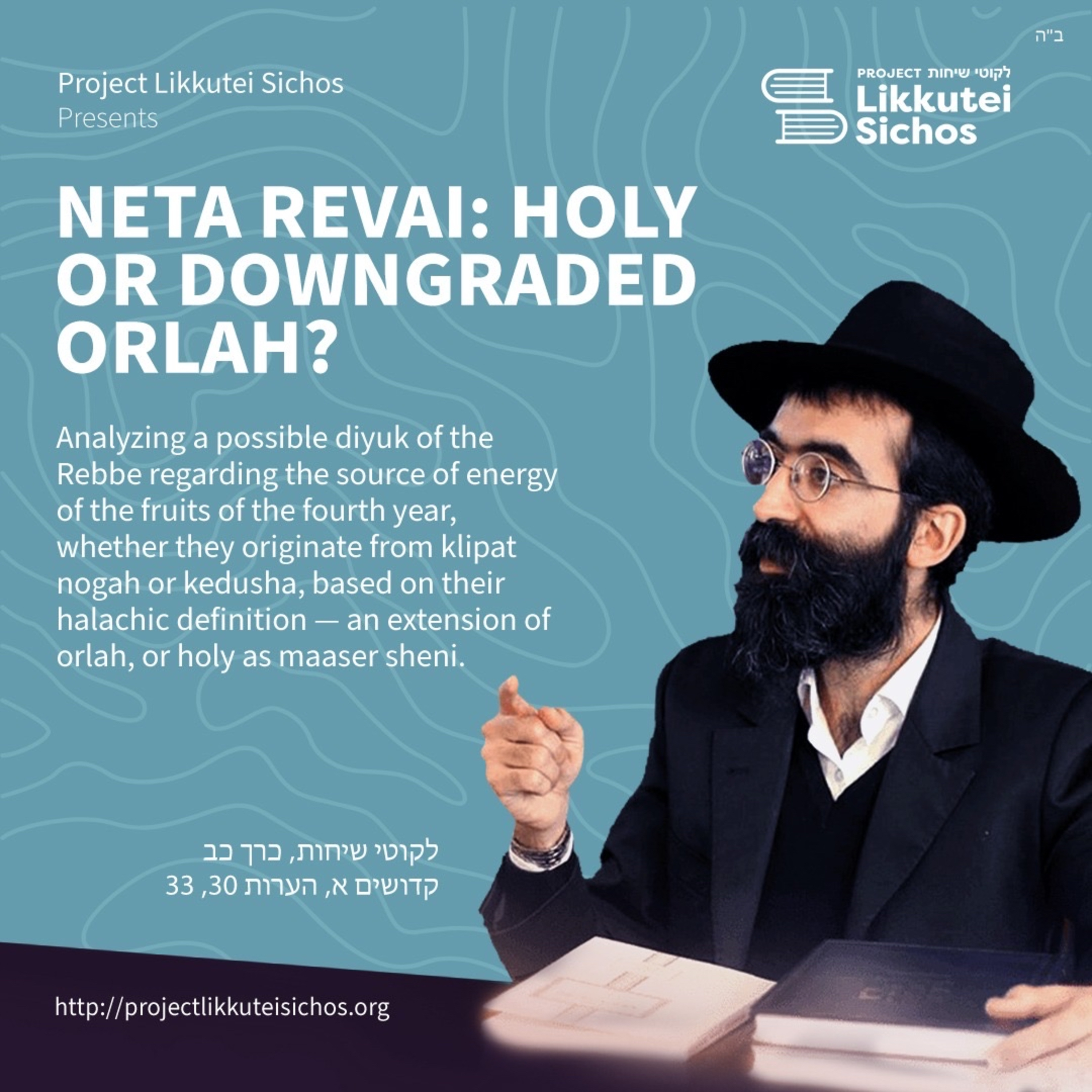
Neta Revai: Holy or Downgraded Orlah?
Analyzing a possible diyuk of the Rebbe regarding the source of energy of the fruits of the fourth year, whether they originate from klipat nogah or kedusha, based on their halachic definition — an extension of orlah, or holy as maaser sheni.
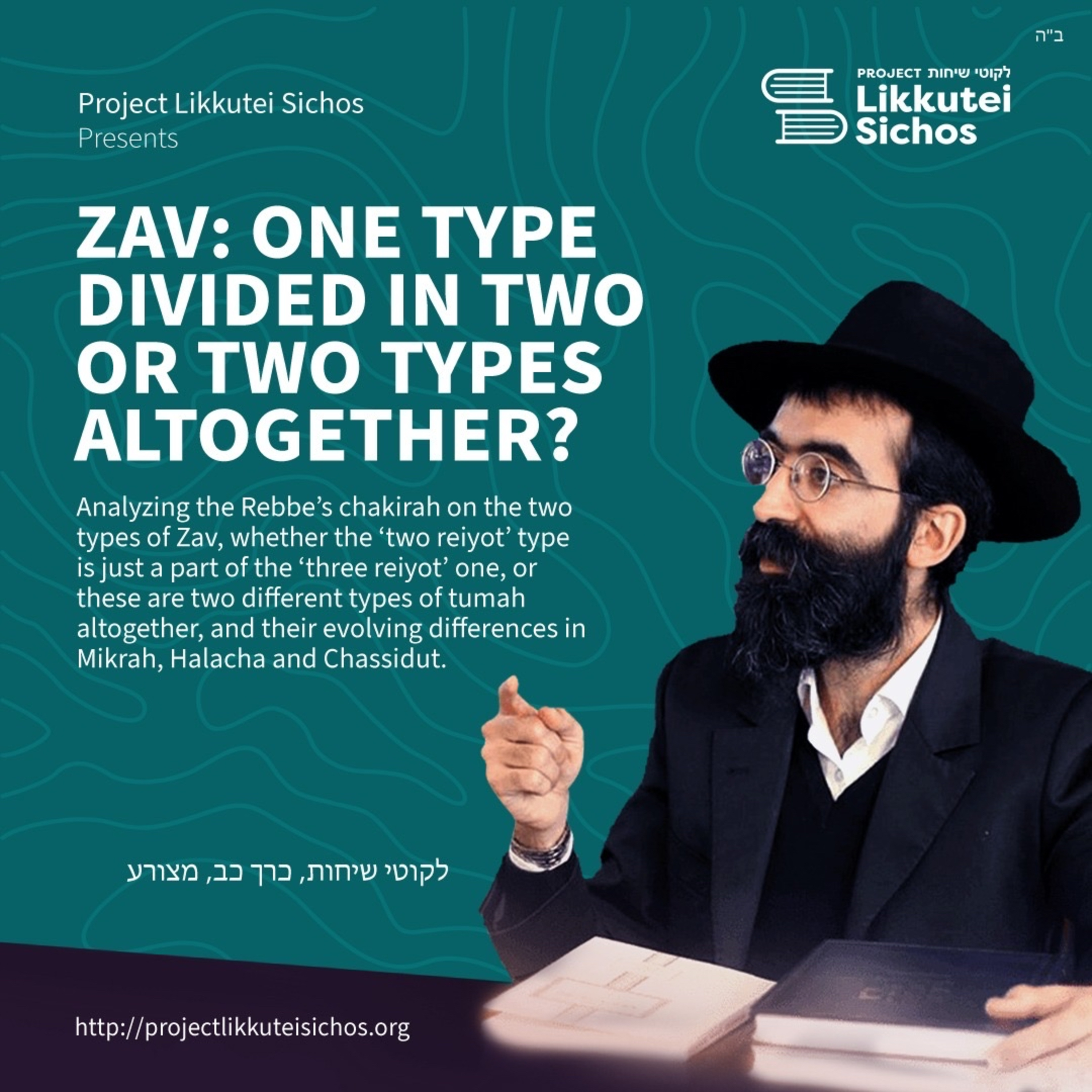
Zav: One type divided in two or two types altogether?
Analyzing the Rebbe’s chakirah on the two types of Zav, whether the ‘two reiyot’ type is just a part of the ‘three reiyot’ one, or these are two different types of tumah altogether, and their evolving differences in Mikrah, Halacha and Chassidut.
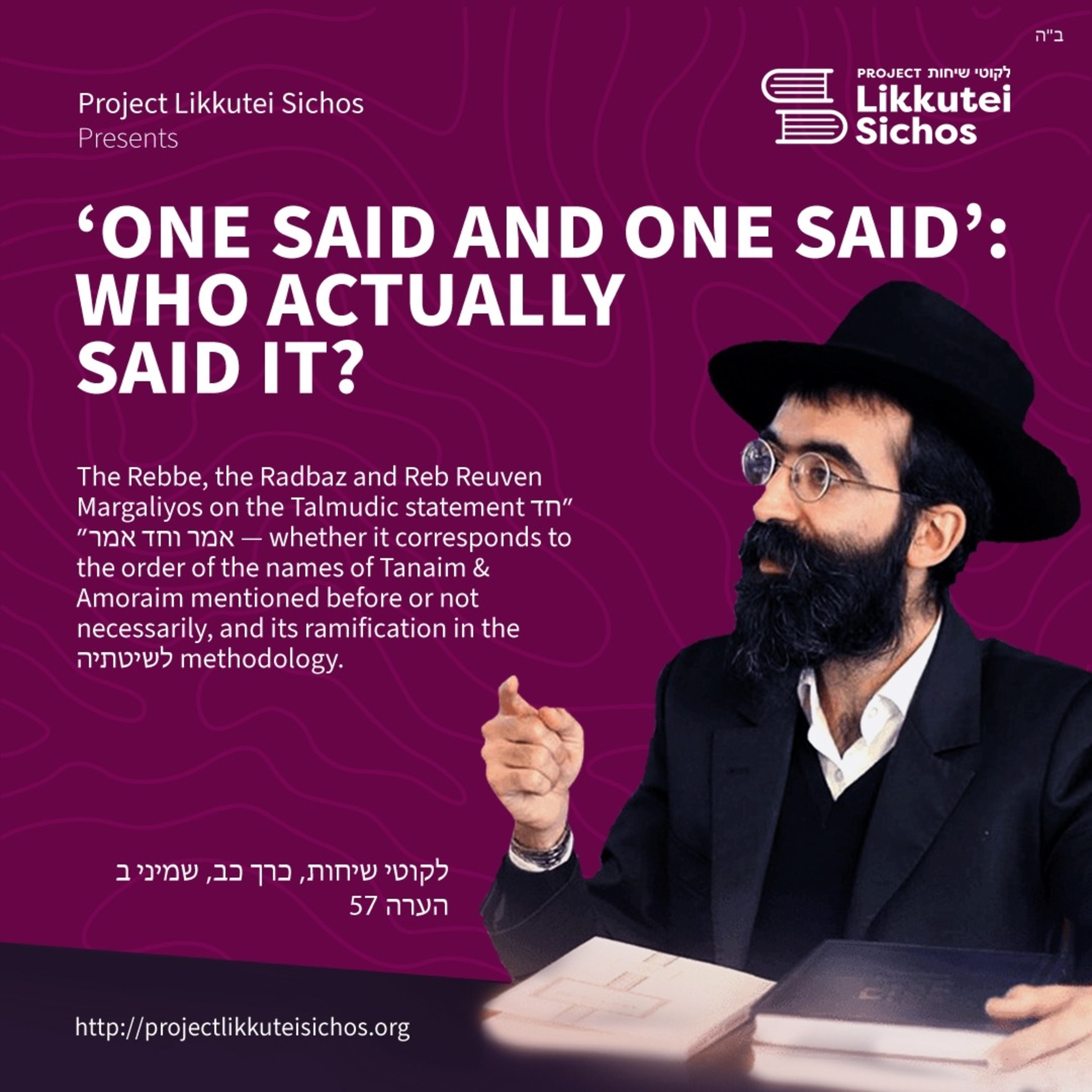
‘One Said and One Said’: Who actually said it?
The Rebbe, the Radbaz and Reb Reuven Margaliyos on the Talmudic statement ״חד אמר וחד אמר״ — whether it corresponds to the order of the names of Tanaim & Amoraim mentioned before or not necessarily, and its ramification in the לשיטתיה methodology.
Acharon Shel Pesach: Issur ‘Chametz’ or Issur ‘Yom Tov Sheni’?
Analyzing the Rogatchover’s chakirah on the prohibition of eating chametz during the 8th day of Pesach — a specific issur ‘chametz’ or a general issur ‘yom tov sheni’, and its possible connection with the chassidic perspective of acharon shel pesach according to the Rebbe.