Digital Innovations in Oil and Gas with Geoffrey Cann
A weekly podcast exploring the impact of digital technologies on the oil and gas industry. Host Geoffrey Cann discusses digital innovation, data analytics, and technology adoption, offering insights and practical advice for energy professionals. The show covers real-world case studies and strategies for leveraging digital tools to improve efficiency and drive business growth.
Episodes
Finding Oil Where It Doesn't Below
How Infrared Spectroscopy Is Changing Industrial Water Diagnostics, an interview with Graham Roeber of Orono Spectral SolutionsOil and water don't mix, but in oil and gas operations, they frequently end up together. Refineries, processing plants, and other industrial facilities routinely test their water streams for hydrocarbon contamination. Historically, this testing has been driven by envir
Stick-on Digital Eyes, Ears, and Brain: No Fuss Physical AI for the Field
Oil and gas companies have invested billions in SCADA, sensors and other technologies to understand what's happening with their equipment. Yet field workers still spend huge amounts of time driving to remote assets simply to inspect them. Experienced operators can see, hear and sense things that conventional instrumentation misses. Those blind spots have consequences. Equipment problems can go unn
Can AI Actually Help Us Think? Using Structured AI For High-Stakes Decisions
AI can help us quickly when we need to make decisions. But when executives are making high-stakes decisions about pipelines, energy infrastructure, capital investments or geopolitical risk, a quick answer isn't necessarily a good answer. Insight into the decision is fragmented across organizations, external information is difficult to assess, and misinformation, competing interests and human bias

Defuse These Digital Oil and Gas Time Bombs: There's Still Time
Digital innovations are creating huge value for oil and gas, but digital landscape is setting the industry up for problems down the track. Think of them as digital time bombs. Quantum computing will expose encrypted data that companies believe is safely protected. Legacy on-premise software is fast becoming difficult and costy to support as investment capital moves elsewhere. And the industry's s

Can Canada Become An Energy Superpower? Yes, But It Will Take More Than Slogans
Energy superpower is a fine marketing slogan. In fact, lots of countries have stated their ambition to become the next energy superpower, but oddly, no one spells out what that actually means. Fortunately, there is a rigorous academic definition for energy superpowerhood, which ranks the EU, the U.S., and China as the world's true energy superpowers. All others are pretenders, Canada included, de
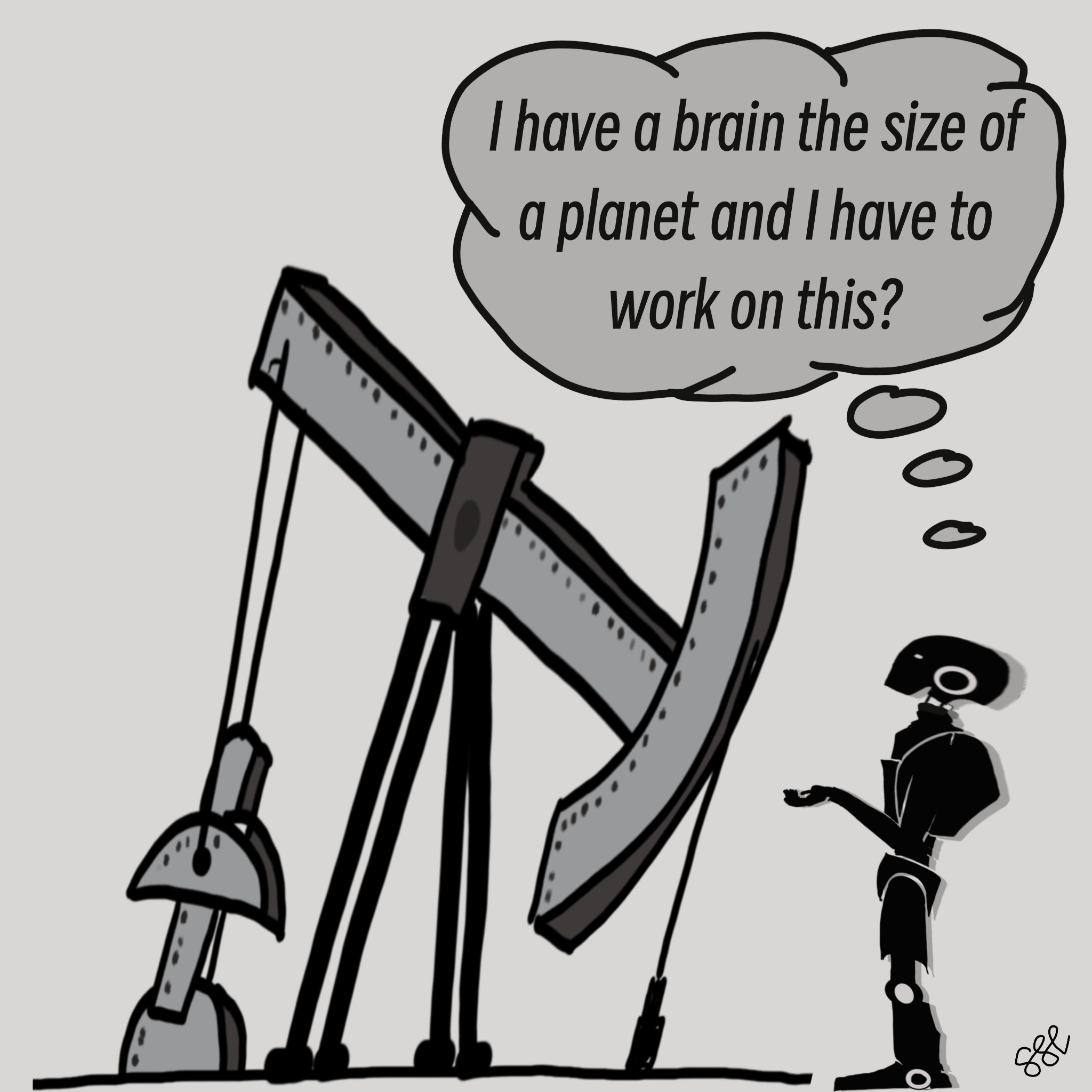
Agentic AI Is All The Rage: Reducing The Cognitive Burden On The Workforce
Industrial AI is into a new phase. Agentic AI is software that can plan, reason, learn, and act with far greater independence than traditional automation. While the technology is advancing quickly, the oil and gas industry faces unique technical, regulatory, and operational challenges that make full autonomy far less straightforward. In this episode, I share what agentic AI actually is, why it di
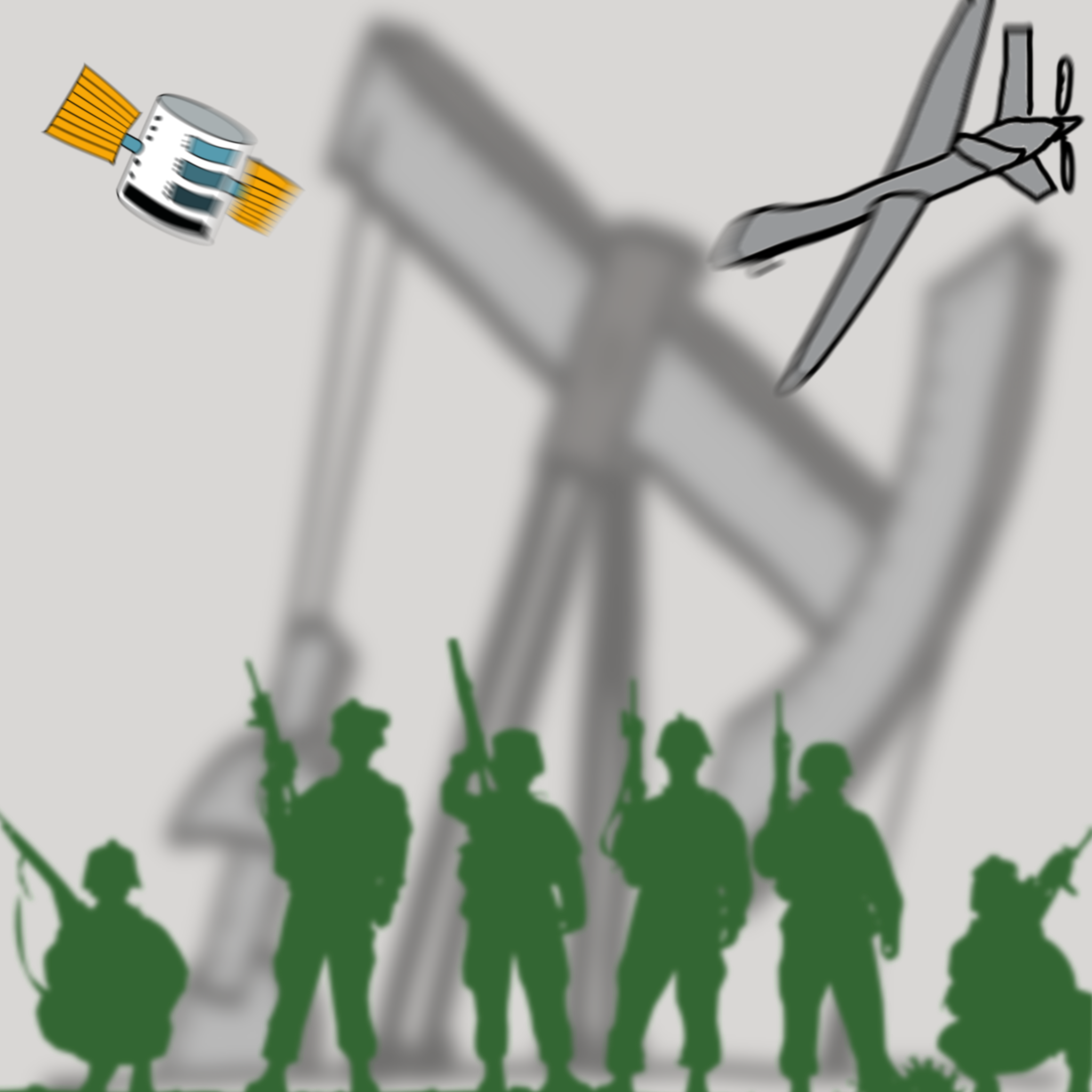
Digital Lessons From The US War on Iran: Drones, Remote Sensing, Speed and More
It's sad to say but wars create opportunities to apply new technologies in novel ways as the combatants seek to gain advantage over each other. The US-Israeli War on Iran is a case in point. If you've been monitoring the public airwaves about the war, you'll have picked up hints about the role that digital innovations are playing in the crisis. These signals in and of themselves are almost always
The $50B Junk Drawer: Turning Oilpatch Surplus Into Serious Cash
Oil and gas companies are sitting on vast amounts of surplus inventory, often without realizing its true scale or value. Equipment purchased for major projects frequently ends up idle, and stored across warehouses and laydown yards, while tying up capital and incurring ongoing costs. While some of this surplus results from project changes or cancellations, much of it reflects a deeper systemic iss
EHS Compliance and AI: How Better Data Turns Safety Into Advantage
EHS and AI are starting to transform safety and reliability in oil and gas. But most organizations are still managing safety as a compliance exercise, not an operational advantage. That approach is under pressure. Operations are more complex, regulations keep shifting, and critical EHS data is scattered across systems, spreadsheets, and sites. When something goes wrong, the impact isn't just regul
Digital Twin Technology Meets AI: Real-Time Optimization in Oil & Gas
Digital twin technology is evolving rapidly, and when combined with artificial intelligence, it is starting to reshape how oil and gas operations are run in real time. For years, companies have relied on simulation tools to design and test assets, but these tools are slow and limited to planning use. In this episode, we explore how new approaches are closing the gap between simulation and real-wor
Fuel Supply Chain Crisis: Why Companies Can't Act Fast Enough
Global energy markets are under acute pressure as geopolitical disruption tightens supply and drives volatility. Events like the conflict in the Middle East are no longer regional—they ripple through fuel supply chains everywhere. Companies are not short of data. They are overwhelmed by it. Yet despite this abundance, assembling a clear operational picture still takes hours, leaving decision-maker

Reinventing Turnarounds with AI: Link Planning Directly to Execution
Turnarounds are one of the most critical and expensive activities in oil and gas, yet many are still managed using spreadsheets, manual coordination, and tribal knowledge. Despite years of investment in digital systems, there remains a persistent gap between turnaround planning and execution in the field. This gap creates real consequences. Turnarounds often run into the hundreds of millions of do
Tokenizing the Barrel: Rewiring Oil Markets from Molecule to Money
The global oil market still runs on a horribly fragmented system where physical barrels, paper contracts, and financial settlement operate in parallel but disconnected layers. Transactions are dependent on manual processes, emails, PDFs, and handshake relationships built over decades. For a trillion dollar industry, the core trading infrastructure remains slow, opaque, and largely inaccessible for
How to Reduce Waste in Capital Projects: Using Execution Intelligence To Fix Broken Coordination
Large-scale capital projects sit at the heart of the oil and gas industry, and across all infrastructure sectors (power, petrochemicals, rail, water, telecoms). These projects require tight coordination of people, equipment, and timelines, often under pressure to deliver quickly and safely. Despite heavy investment in planning tools and scheduling systems, the day-to-day reality remains fragmented

The Carbon Credibility Crisis: We Need Trustworthy Carbon Data
One thing I've learned from producing lots of videos is that you can't really trust with your own eyes what you see presented to you anymore. Green screens, video editing, and AI are so good now, and so inexpensive, that anyone can create compellingvideo content of scenes that didn't happen in real life. As a result, I'm now very skeptical of claims that companies make that they don't offer to bac

How to Spot Cyber Attacks on Physical Assets
Industrial operations have spent decades optimizing for safety, reliability, and uptime. Control systems, sensors, and field equipment were designed to be stable and predictable, often isolated from the outside world. Cybersecurity, by contrast, evolved largely in IT environments, on a separate track, with different tools, assumptions, and incentives. That separation is no longer holding. Operatio
Data Quality Is Your Bottleneck: Fix The Foundation Before Scaling AI
Oil and gas companies generate enormous volumes of operational, geological, and production data. Despite this abundance, much of that data remains fragmented, inconsistent, and difficult to trust. Teams often spend a significant portion of their time preparing datasets rather than analyzing them. The result is delayed decision-making, inflated costs, and reduced operational agility. The core compl

Stranded Gas Has A Job Now: Why Pad Electrification With Gas Wins
Diesel generators have long been the default answer for powering upstream and midstream oil and gas sites. They are familiar, mobile, and deeply embedded in operating practice. Even in regions with abundant natural gas, operators often rely on fleets of diesel gens to run pumps, wireline units, and auxiliary equipment, treating gas as either waste or something to move to market while importing fue

Why Data Centers Need One View Across Power, Facilities, and IT
Data centers have shifted from supporting enterprise IT to running large parts of the digital economy. They now host AI model training, AI inference, and many critical digital services. As this shift accelerates, data centers are placing greater demands on power systems and operations teams. Managing energy use, uptime, and physical infrastructure has become central to how these facilities operate
Money Under the Mattress
Oil and gas operators have always known that surplus equipment is part of doing business. Projects get cancelled. Long-lead items are over-ordered. Assets are parked in yards, warehouses, and sea cans "just in case." Over time, those decisions quietly turn into idle capital sitting on balance sheets, often forgotten until space runs out or write-downs loom. What's changed is the cost of ignoring i
AI Agents Are Starting To Reshape Upstream Operations
Upstream oil and gas companies continue to be very reliant on spreadsheets, legacy systems, and manual workflows to manage thousands of wells, compliance filings, and capital decisions. It's labor-intensive, error-prone, and slow. In light of global energy transition moves, operators are now facing ongoing margin pressure, a supply glut, tighter emissions regulations, and a shrinking pool of skill
Why Bad Data Undermines AI, And How Good Governance Fixes It
The energy industry is rapidly adopting artificial intelligence. Its promises of improved productivity, safety, and operational insight are too good to ignore. But these tools are only as good as the data that feeds them. And therein lies the problem: data across the sector is often incomplete, inconsistent, and scattered. This historic lack of discipline around data now has consequences. Poor dat
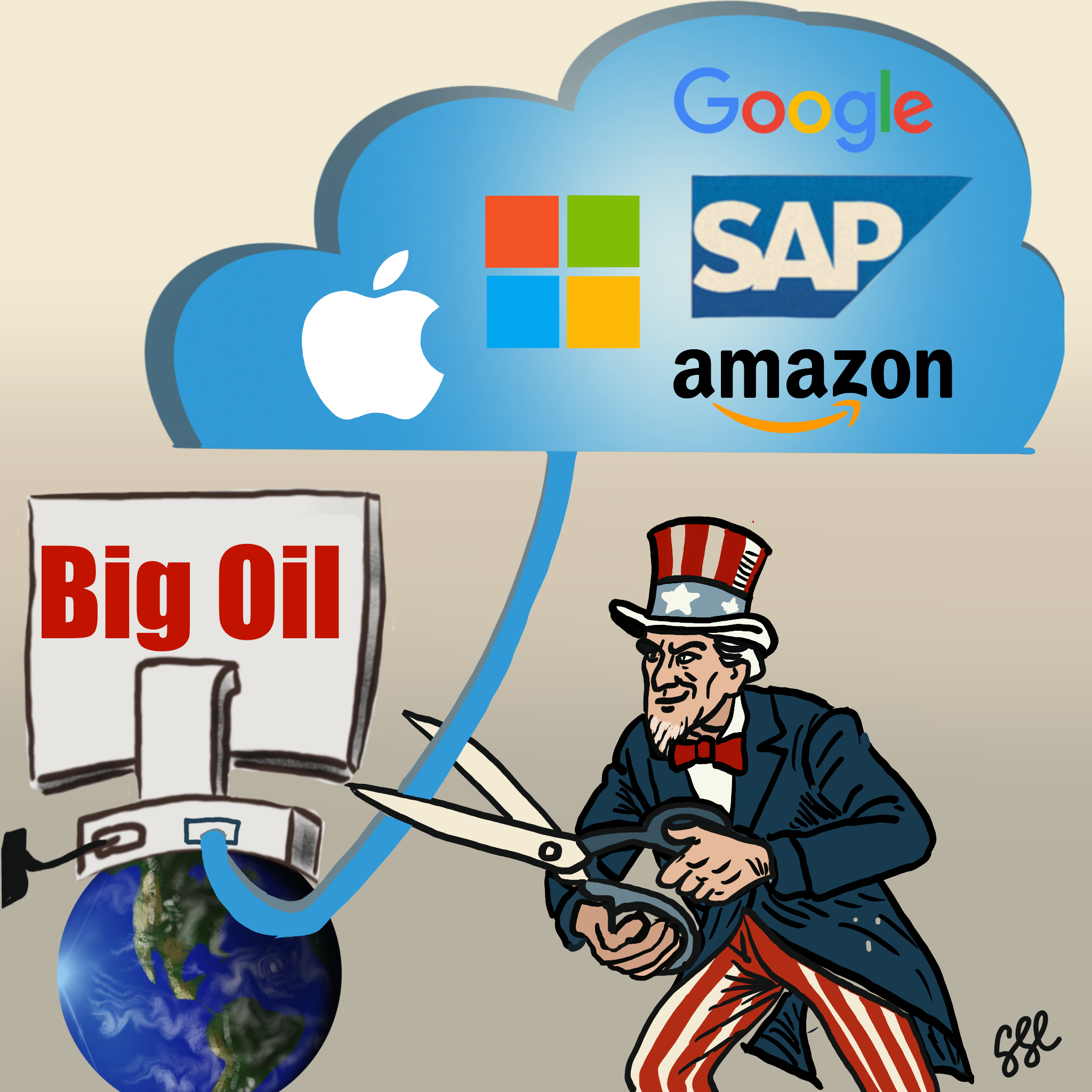
Why Digital Sovereignty Matters
Have you ever given thought to the possibility that the suppliers of your core business technology, brands like Microsoft, Oracle, and SAP, might simply turn you off with no warning? It sounds fanciful, absurd, a black swan event so far beyond any reasonable risk matrix as to be unworthy of consideration. Yet it happened this year, 2025, to a major oil company in the world's most populous country.
From Brownfield to Greenfield to Bluefield
Most large enterprises rely on a handful of expansive technology platform solutions to run their business, and the most prominent and widely deployed in oil and gas is SAP. As I've outlined in my books, enterprise solutions such as SAP are also migrating to digital technologies, which triggers a major question: what is the optimal upgrade path for an SAP customer, or any enterprise technology, to

Can You Test A Plant Before It's Built?
Motors are the quiet workhorses of industry. They drive pumps, fans, compressors, and heaters, and they consume more than sixty percent of the power in most industrial operations. When operators need to control motor speed, they historically relied on mechanical adjustments or trial-and-error testing to keep processes stable and safe. As motors get larger and drive trains more complex, traditional
Breaking the Paper Habit
Canada's energy sector has long struggled with low productivity on the front line, as indeed the entire Canadian economy. Despite heroic efforts by tradespeople, their effectiveness is hamstrung by badly dated processes, old disconnected systems, and paper-based workflows. The problem isn't the workers. It's that they're too often sent out with the wrong drawings, the wrong tools, the wrong permit
Taming the Owner Communications Chaos
Oil and gas companies are finally confronting the huge communications and stakeholder challenge they face with their asset owners and stakeholders. Production assets such as oil and gas wells almost always have many part owners (land owners, JV partners, interest-holders, trusts, first nations tribes). Managing these hundreds or thousands of parties across tens of thousands of wells is really dem

Unlocking Capital for Latin America's Energy Transformation
Latin America is entering a period of rapid economic growth, urbanization, and industrial expansion. Unlike North America and Europe, where primary energy demand has been flat for more than a decade, the region's energy consumption is rising sharply. A young, increasingly urban population is pushing electricity and fuel demand higher, placing new pressure on infrastructure and supply. This demand
Power Without Surprises
Electricity powers nearly everything in oil and gas, from pumps and motors, to compressors and digital systems. But while production engineers obsess over volumes and temperatures, the quality of the electricity driving their systems is often overlooked. Most teams only discover power issues after equipment fails, leading to unplanned downtime and costly repairs. Unfortunately, traditional power q
Navigating The Maze of Global Energy Regulation
In all my years of experience in energy, I rarely worked in pure regulatory areas, but regulations loomed large over everything I touched. The energy sector is very highly regulated, and for very good reasons. From environmental standards to carbon pricing, energy companies are held to a high standard and must demonstrate that compliance to operate locally, regionally, and globally. The regulatory

The Safety Copilot
In the UK oil and gas sector, the record on major accidents looks encouraging. Serious incidents are very rare, and the industry appears to be operating safely. Beneath the surface, the data tell a different story. One-third of safety inspections fall below the legal standard, and more than half of process-safety professionals are expected to retire within the next decade. At the same time, ageing
How To Misspend $100 Billion Using Excel
Unconventional oil and gas is massive. Every year, over $100 billion is poured into steel, sand, and water just in Canada and the US. Yet, most of the planning behind these extraordinary investments still runs on Excel spreadsheets. Spreadsheets were fine in the 90s, but today they struggle to handle the complex interdependencies and real-world constraints of modern tight plays. The hidden cost to
Smart Metal In Oil and Gas
Oil and gas operations rely on heavy machinery and equipment that perform critical tasks, yet most of this equipment remains disconnected from the digital landscape of cloud computing, analytics, and autonomy. This lack of connectivity leaves operators with higher costs, inefficient maintenance, and limited visibility into how their assets are really performing. The traditional approach to equipme
Smarter Scheduling in Oil and Gas
Scheduling in oil and gas has long been a weak link. Wells, rigs, frack crews, contractors, and regulators must all line up in precise sequence, but too often the "system" is stitched together with Excel spreadsheets, siloed tools, and a lot of human memory. The result is inefficiencies, costly delays, and endless arguments in daily meetings. That model is no longer good enough. The complexity of
Harnessing Energy's Data Deluge
The oil and gas industry generates extraordinary amounts of data from millions of sensors, yet only a tiny fraction, at most 8%, is actually used to inform decisions on complex and valuable assets. Decades of building analytics and machine learning solutions have helped, but they've also left companies with a patchwork of siloed systems and "industrial gridlock." The arrival of foundation models
When Water Bites Back: How Oil and Gas Learned to Respect Its Most Overlooked Resource
Water is the unsung workhorse of the oil and gas industry. It's instrumental for generating steam, driving b, lubricating drill bits, flooding reservoirs, and separating oil from oil sands. Historically it's been cheap, plentiful, and overlooked. As climate pressures mount and scarcity becomes real, water is now emerging as one of the industry's most critical resources. Water isn't just another ut
How VR is Revolutionizing Industrial Training
The industrial sector faces a growing challenge: how to train a rapidly evolving, inexperienced workforce to safely and effectively operate aging and complex infrastructure. Traditional training tools like PowerPoint presentations and passive classroom learning no longer cut it, especially in high-risk environments like oil refineries and offshore rigs. Enter immersive training platforms—tools tha
Beyond RAG
In energy and manufacturing, vast volumes of unstructured data (think OEM manuals, maintenance logs, shift notes, correspondence, procedures), sit largely untapped. For decades, experienced technicians have compensated by carrying critical knowledge in their heads. But with retirements accelerating and fewer seasoned workers on the front line, this model is breaking down. New large language learn
Training the Dog
Why is a pug named Phoebe likely more qualified than your frontline crew? In the oil and gas industry, online training and certification have become the norm. Let's agree it's convenient, cost-effective, and scalable. But what if the people taking that training are subverting the training using AI, or aren't people at all? Digital tools, especially generative AI, are now being misused to automate
The Five Lessons of Digital and AI Deployment
The oil and gas industry has invested heavily in new digital technologies, but too many efforts fall short in value delivery. However compelling digital initiatives may seem, they will assuredly flounder if workers are unable or unwilling to adopt them. The challenge lies in the way asset centric organizations tend to approach change. Leaders often seek rapid results that will contribute to curr
The Looming Energy Talent Gap
The energy industry is having a moment. As assets become digitized, operations increasingly automated, molecules displaced for electrons, and capital more discerning, the biggest challenge is now people, instead of engineering. Specifically, where will the next generation of digitally fluent energy professionals come from? At the same time, academic institutions, whose mission is to deliver qual
From Paper to Pocket
Heavy industry runs on complex systems and distributed assets, but frontline workers are often still armed with paper manuals and radios. It works, but yields an unacceptably high level of inconsistencies, safety incidents, and productivity bottlenecks. And as experienced workers retire, critical knowledge about systems, assets, and good practice disappears. The shift to digital work execution is
The Helium Signal
The traditional model of hydrocarbon exploration has transitioned in much of North America, replaced by exploitation of known shale and tight resources. For shale players, exploration is seen as more risky, expensive, and slow than pursuing resource play. Classic geochemical methods, reliant on sample collection and lab analysis, can't keep up with the need for real-time decision-making. Helium—a
Honey I Shrunk The Device
In the world of oil and gas operations, edge devices are mission-critical. These compact, intelligent sensors operate in the most extreme of environments, such as remote drill sites, deep wells, and hostile landscapes, where they continuously collect operational data. Best in class operators don't just throw digital at the field. They prioritize efficiency, reliability, and integrity at the edge
Unlocking Capital Innovation in Oil and Gas
The global upstream oil and gas sector is confronting a mounting crisis—access to capital. For over a decade, international producers, especially small- and mid-cap firms, have faced shrinking pools of funding as banks exit the space and public equity markets falter. Traditional sources of capital have dwindled, leaving many promising ventures stranded without the financial fuel they need to grow.
From Clipboards to Cloud
In the upstream oil and gas sector, frontline operations have long depended on manual methods for information management, such as clipboards, spreadsheets, and disconnected tools. These outdated processes persist despite mounting pressure to improve efficiency and cut costs. But with today's margin compression, regulatory scrutiny, and demographic changes, that operational model is no longer susta
Digital Gets Real in the Mid-Market
Mid-sized oil and gas companies are now at a digital crossroads. While supermajors have pushed forward with large-scale transformation programs, many mid-market firms are only beginning to explore how digital innovation can improve performance. Their operational processes—budgeting, forecasting, asset planning—tend to mirror those of larger firms but constrained by fewer resources and less interna
Methane Matters
The oil and gas industry is sitting on a ticking environmental and financial liability. Around the world, millions of wells have been drilled to date, many more will be drilled, and all will eventually need to be plugged and abandoned. Today, the US alone has thousands of orphaned and marginal wells, many leaking methane, a greenhouse gas many times more potent than carbon dioxide. With underfunde
700 Ways to Boost Cash Flow in Oil and Gas
The oil market is once again bracing for change, with OPEC signaling their interest in unlocking supply that has been withheld. For producers, this looming oversupply translates into a fresh imperative: cut costs. The oil and gas sector, long accustomed to volatility, must now sharpen its cost control strategies in the face of intensifying pressure on margins. Matthew Hatami, a professional engin
Fracking Reinvented
For decades, hydraulic fracturing—or fracking—has relied heavily on water and sand to crack underground rock and release oil and gas. Fracking is safe, proven, and reliable, and in collaboration with horizontal drilling, has resulted in the huge growth in hydro carbon production in the US and Canada. But fresh water is a scarce resource particularly in arid settings, and in many places under st
Mapping The Wet Frontier
Despite covering over 70% of our planet, the oceans and seas remain largely unmapped and poorly understood. Collecting useable data about the oceans is hard and expensive--reliant on specialized costly vessels, old-school technologies, and plenty of labour. The comparison to land mapping technologies (like Google Earth) is stark--we have near-total visibility of land-based infrastructure, continuo
Empirical Gas
Natural gas producers have long struggled to differentiate their product in a market that treats gas as a commodity. When it comes to carbon intensity (CI), the industry is reliant on emission factors and self-reported data, and lacks a credible, data-driven approach to proving their gas carries a lower CI. With new regulations like the Inflation Reduction Act's Waste Emission Charge and Europe's
Opening Oil & Gas to the World: Tokenization and the Future of Investment
The oil and gas industry has traditionally relied on financial instruments like futures and private equity—frameworks that have largely benefitted institutional investors while leaving little room for broader participation. But as digital assets continue to reshape capital markets, tokenization presents a new way forward. With blockchain technology and regulatory frameworks maturing, real-world a

How Big Oil Fell Behind In The Digital Race
Twenty years ago, Big Oil companies like Shell and Exxon were the stars of the capital markets. Huge revenues, stellar profits, high share prices, robust price/earning ratios and reliable dividends placed these companies among the world's best, magnets for top engineering talent and voices of influence in the halls of governments globally. But no more. They lost the market leadership crown to the

Beyond the Lens
Industrial operations have long depended on the OODA loop—Observe, Orient, Decide, Act—a military-inspired decision framework that works, but at great cost. It requires physical presence, human expertise, and often misses key variables hidden from view. This age-old method is embedded across energy infrastructure—from wells to refineries. The digital age, however, is transforming our ability to ob

The Future of Offshore Connectivity
Offshore oil and gas operations are among the most complex and remote in the world. From harsh weather to limited physical access, these environments demand reliable, high-speed communications to enable modern digital workflows and keep operations running safely and efficiently. As offshore operations become more autonomous and data-driven, the traditional telecom models fall short. Legacy systems

Corrosion Under Insulation
Pipes are the silent workhorses of the process industries—hidden in plain sight yet essential for daily operations. But what happens when these unassuming assets begin to fail? A recent catastrophic water main rupture in Calgary serves as a stark reminder that even the most robust infrastructure is vulnerable, especially when degradation hides under insulation. The challenge of inspecting and main
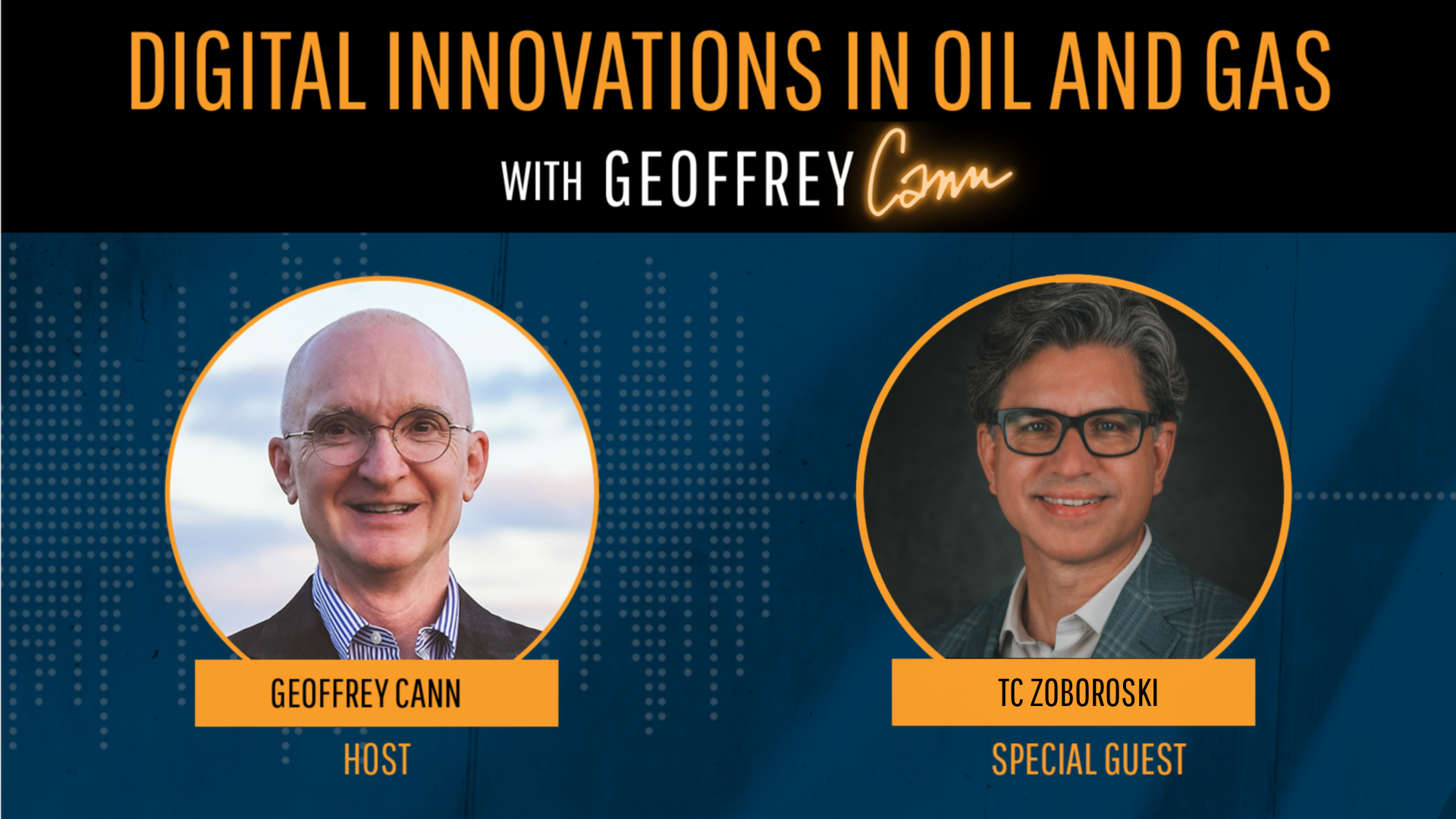
AI That Thinks Like a Scientist
AI is transforming oil and gas, but not all AI is created equal. Many companies have wasted millions on failed AI projects, chasing optimization without real breakthroughs. But what if AI could think like a scientist—applying physics and chemistry to accelerate decision-making and innovation? In this episode, TC Zoboroski, Head of Sales for Energy at NobleAI, explains how their science-based AI is
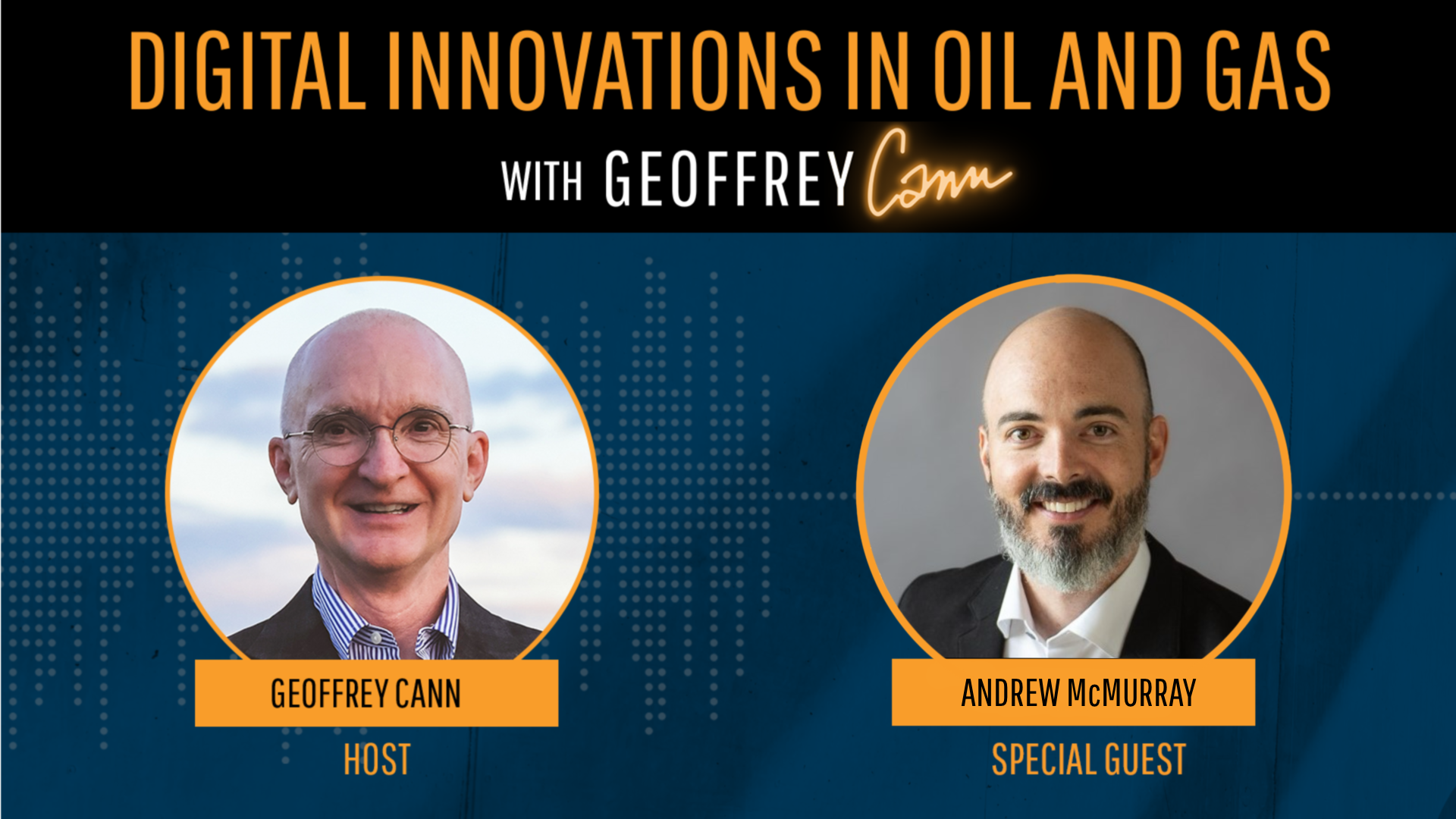
Ending Insanity In Oil and Gas
The definition of insanity is doing the same thing over and over again, expecting a different outcome. In oil and gas, we do the same thing over and over, knowing the outcome will vary—but believing we're optimizing it. With billions at stake, the industry needs better ways to react in real time. As capital market pressures rise and companies consolidate, optimization is no longer optional—it's su

The World in a Cube
Energy markets are undergoing a profound transformation. With demand shifting, new energy sources emerging, and digital infrastructure consuming more power than ever, the need for accurate, data-driven decision-making has never been greater. Companies must now navigate uncertainty with smarter forecasting tools, leveraging AI and real-time analytics to stay ahead. However, traditional forecasting
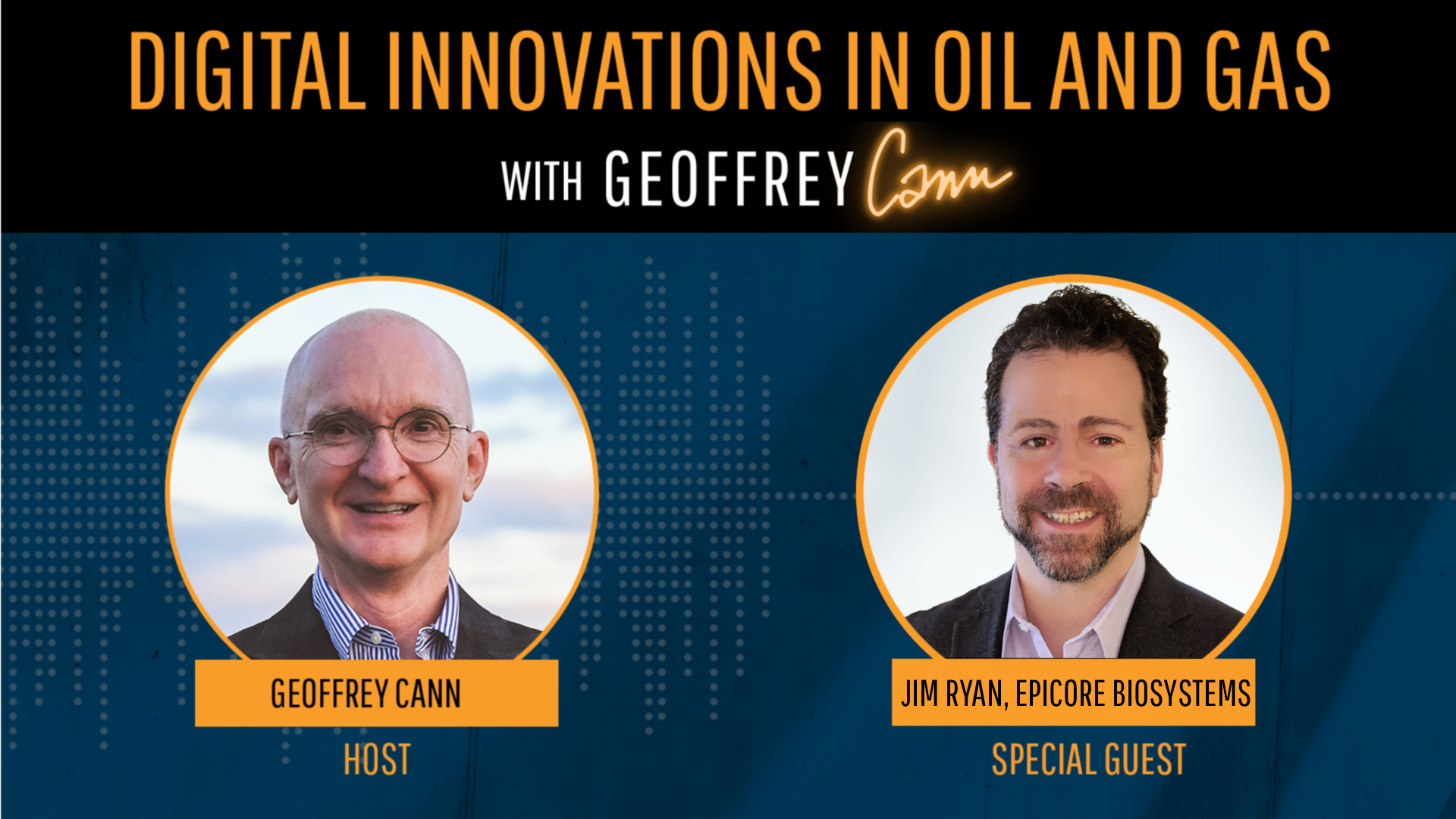
Sweat Science
Oil and gas workers operate in extreme conditions, such as the Gulf and the Permian Basin, where the intense heat and high humidity create very hazardous conditions. You lose a lot of body moisture just surviving in those settings. Most of us know to take a drink of water when we're thirsty, but in those places, by the time you're thirsty, you're already at risk. Is there a better way to measur
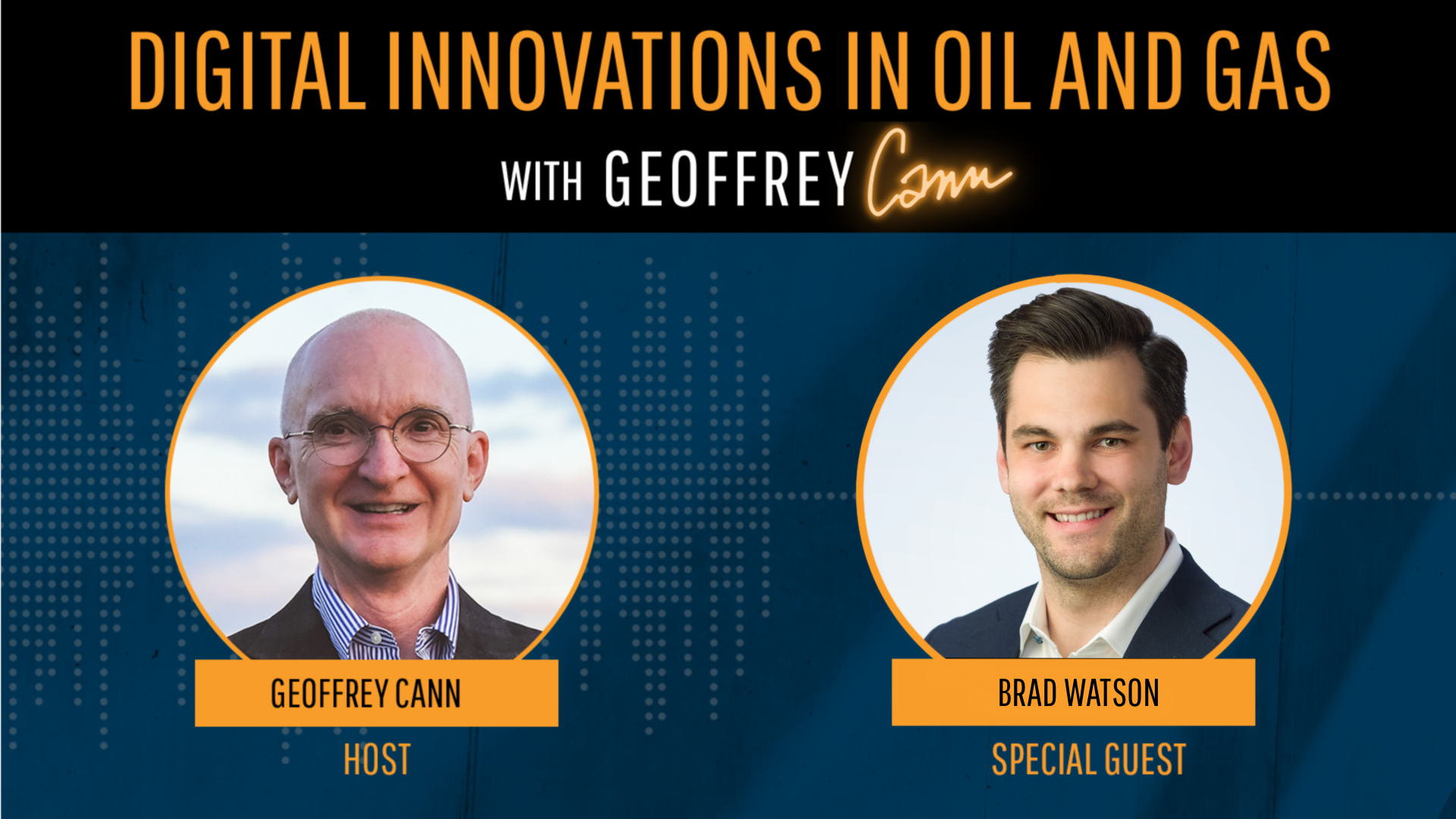
From Milling to Data
The oil and gas industry has long relied on surface data and the expertise of seasoned operators to manage the complexities of downhole operations. However, as wells become deeper, laterals longer, and conditions more extreme, the human expert can struggle to address the expanded downhole complexity. Consistency, efficiency, and precision have become increasingly difficult to achieve. This growing
Pearls of CO2 Wisdom
Direct air carbon capture will be required to remove excess CO2 from the atmosphere while we wind down fossil fuel combustion, and a new technology based on graphene and amine coated ceramic pearls or spheres may be the missing link. The direct air capture methods deployed to date struggle with their enormous scale, their energy intensity, and operating costs. They can require hundreds of dollars
Crux of the Matter
Pipelines are often thought of as simple logistics channels, but in reality, they operate more like sprawling processing plants. This complexity has long been underserved by outdated control systems that lack the sophistication of modern software. The challenge is clear: legacy systems are hindering efficiency, sustainability, and even talent retention as younger generations expect better tools in
Transforming Petrochemicals
The petrochemical industry has traditionally been slow to adopt new technologies, often hindered by legacy systems, risk-averse cultures, and scattered data. However, as global competition and sustainability pressures mount, companies like Nova Chemicals are turning to digital transformation to drive operational efficiency and sustainability. Nova Chemicals recognized the untapped potential in its
Driving Data Innovation in Fuel Supply Chains
The fuel products supply chain is long and complicated, handling the movement of massive volumes of fungible, dangerous, and valuable products in millions of small lots. Despite its criticality, this part of the industry is often overlooked, but can benefit from the modern tools that are finding their way into many industries. I was curious just how deeply our modern digital tools have penetrated
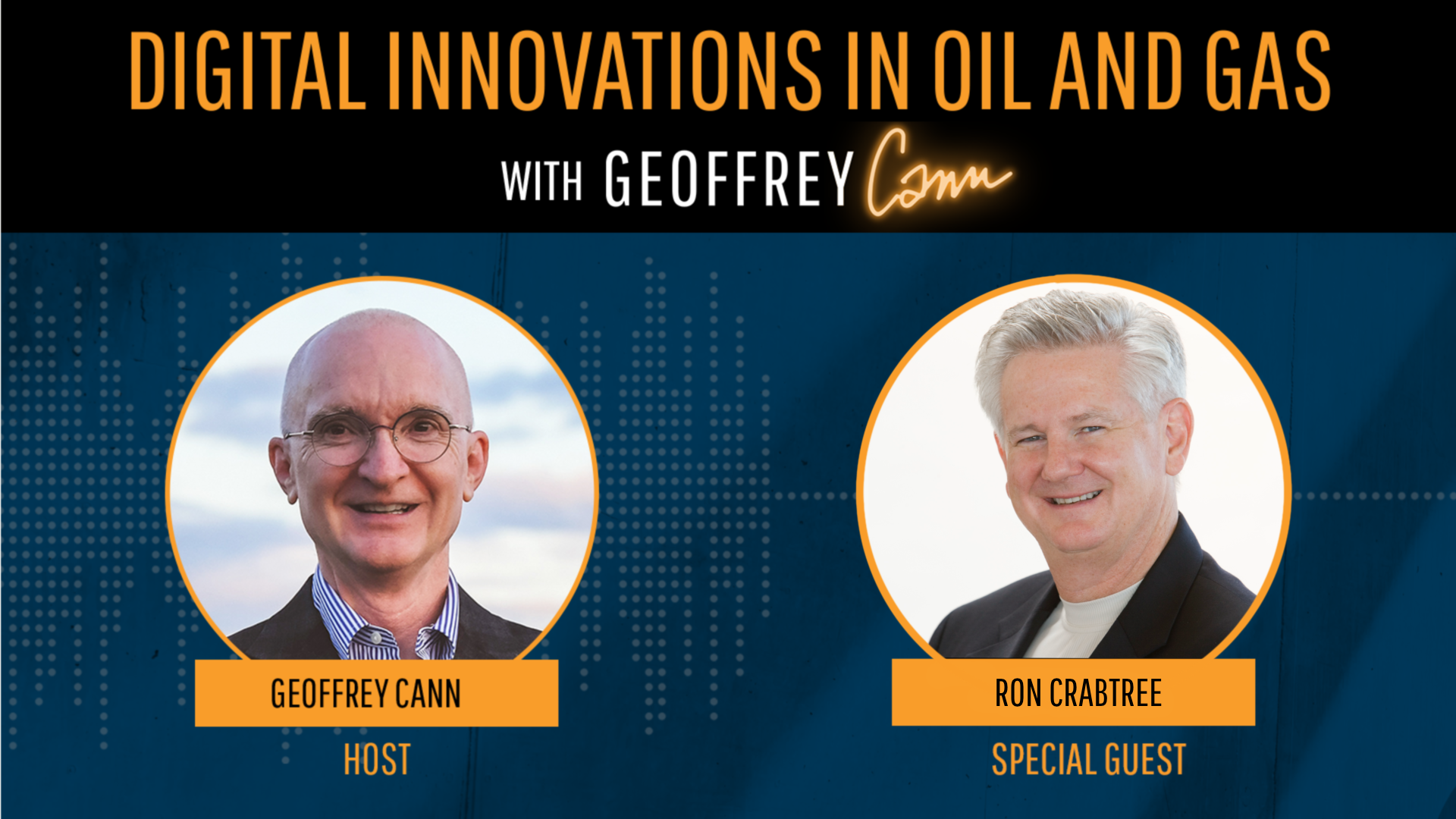
Building the Workforce of the Future
The energy industry faces a dual challenge: addressing the growing skills gap as experienced workers retire, and attracting a tech-savvy younger workforce. Meanwhile, digital transformation is reshaping the landscape, introducing complex tools like AI and automation into traditional workflows. In this episode, I interview Ron Crabtree, CEO of MetaOps and MetaExperts, about bridging the workforce g
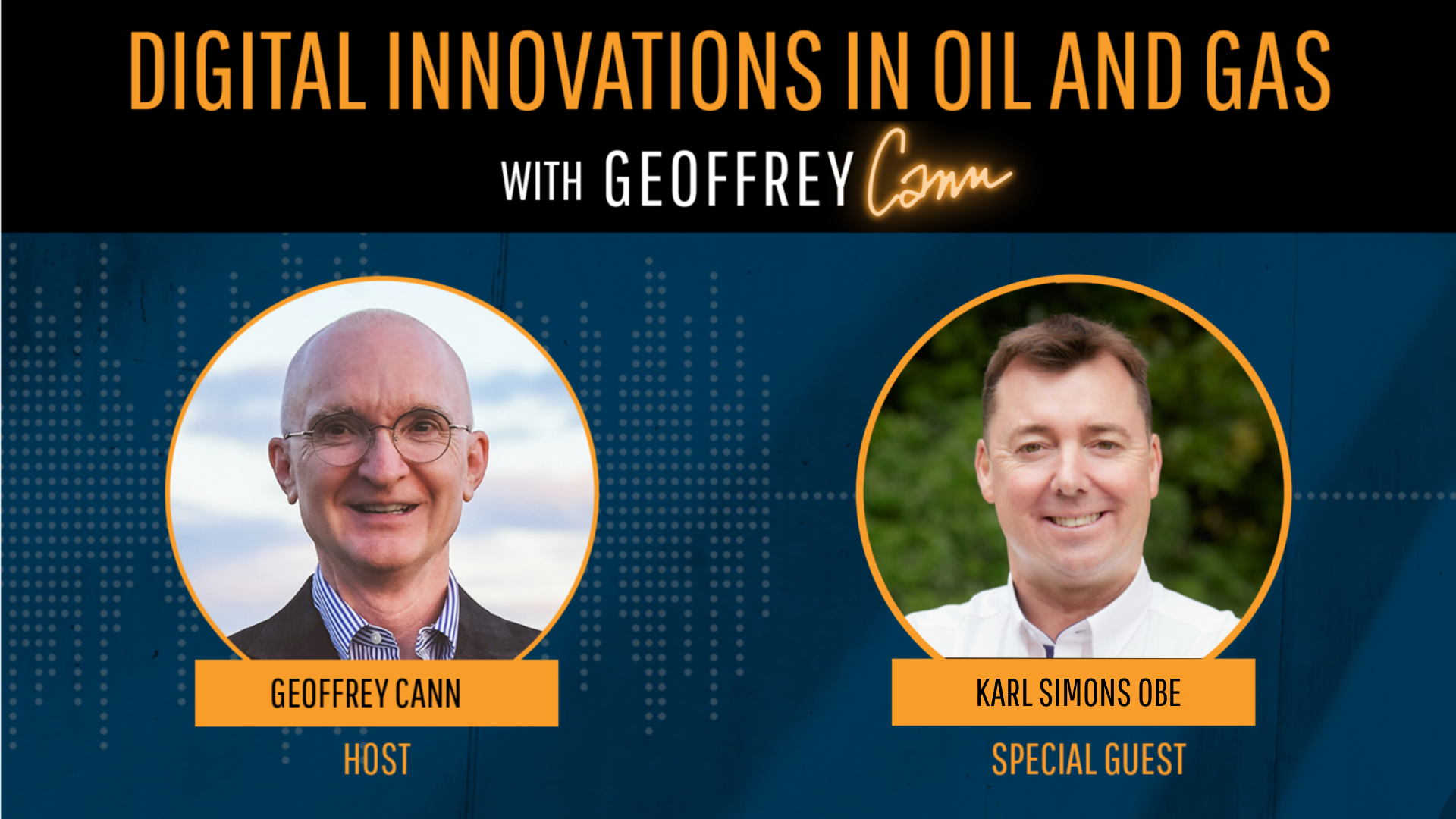
Visual Analytics in Field Operations
Safe operations in industries like oil and gas, water utilities, and construction are a non-negotiable priority. However, achieving these high safety standards often creates inefficiencies, as organizations adopt low-error tolerance systems and time-intensive compliance processes. Field teams face growing pressure to balance safety, productivity, and quality, while adapting to em
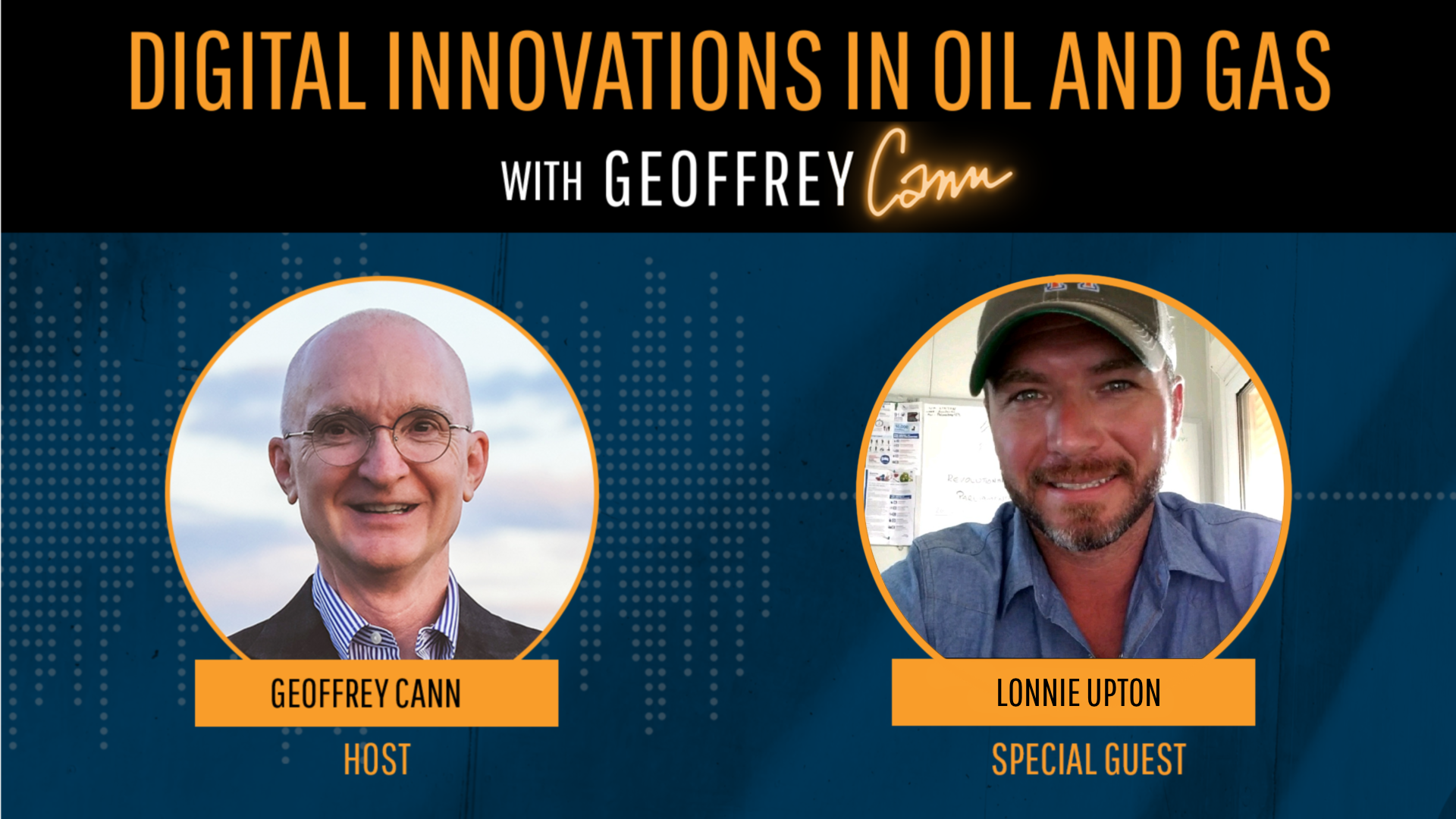
Beyond the Map
The energy sector is undergoing a seismic shift, driven by advancements in geospatial technology and the unrelenting evolution of digital innovation. Traditional geotech methods are giving way to LiDAR, GPS, drone and satellite imagery, and the industry now collects more data than ever before. But how do you make sense of this crazy data-rich landscape while holding to the oil and gas ideals of ac
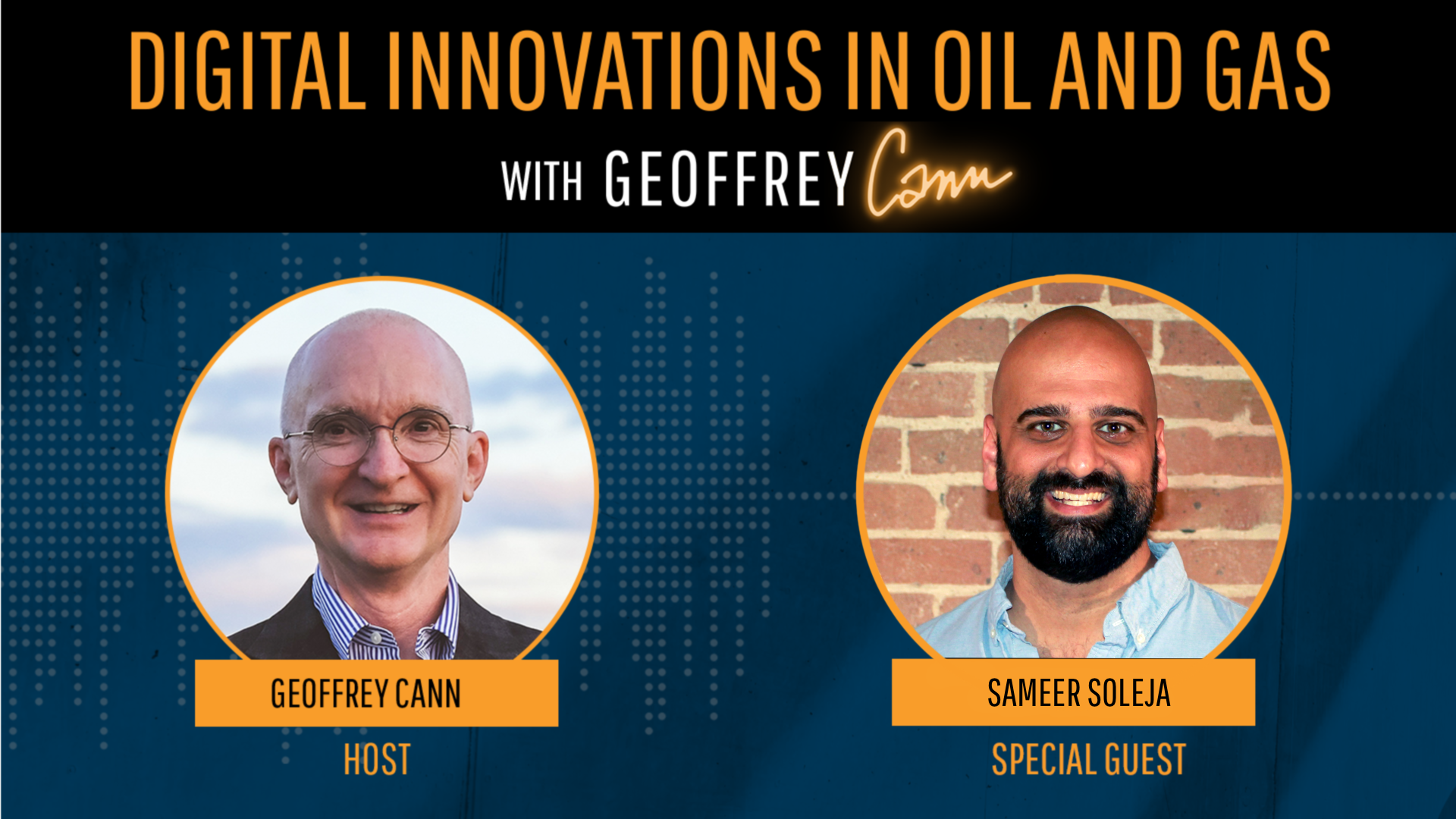
Cloud Power
#ETRM #CTRM One of the last remaining domains of energy yet to fully embrace the cloud is Energy Trading and Risk Management (ETRM). Despite the key role it plays, the broader oil and gas sector (producers, supply houses, traders, agents) cling to old legacy ETRM systems—clunky, costly, and a pain to integrate into complex application portfolios. Trading is a high stakes game with few users, and
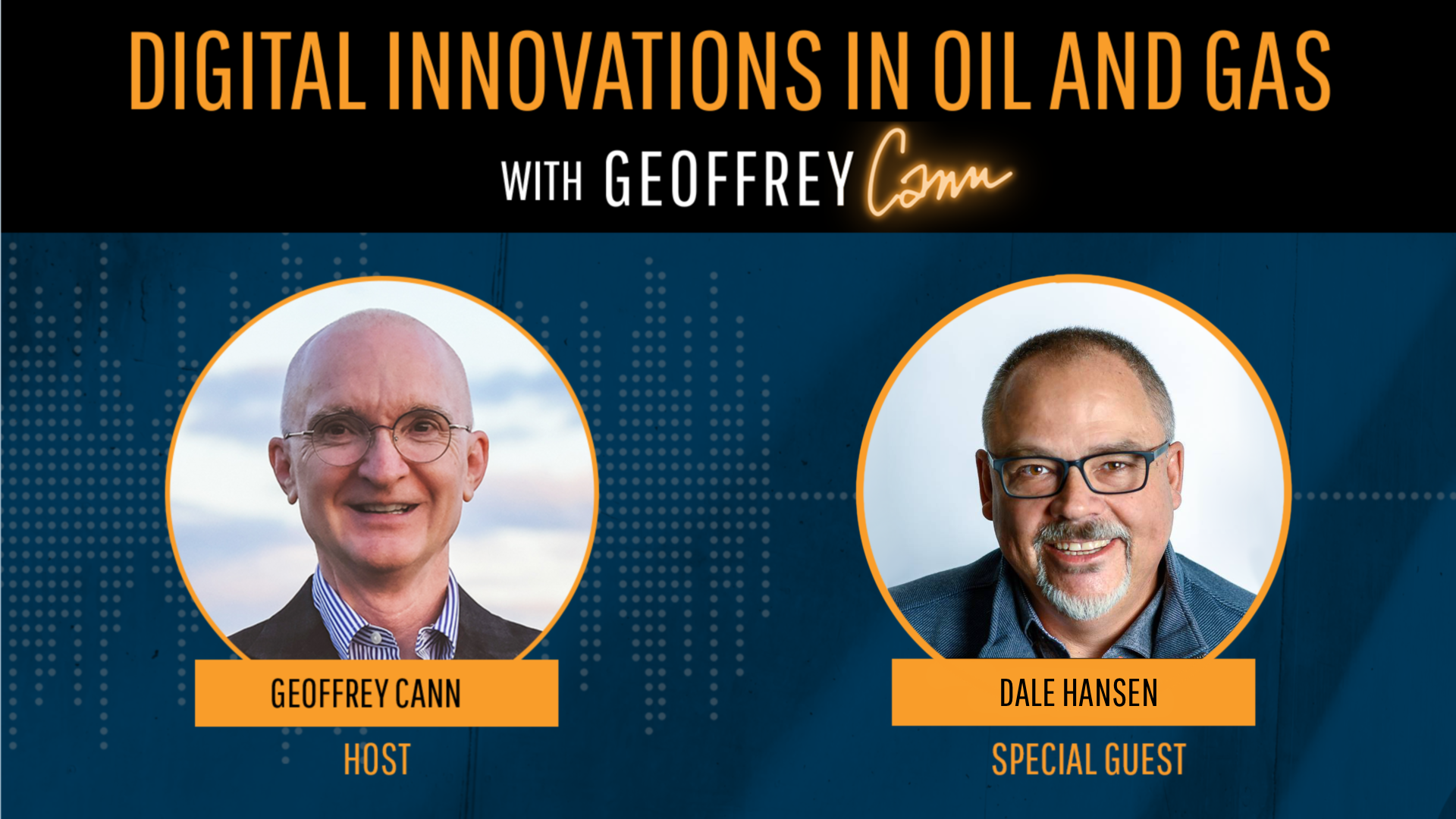
Building Tomorrow's Energy Talent Today
SAIT (Southern Alberta Institute of Technology) has a critical mission: producing the frontline workers that keep the energy industry running. But as the sector evolves—shaped by decarbonization, digital technologies, shifting demographics, and immigration rules—so too must the workforce. According to Dale Hansen, dean of SAIT's MacPhail School of Energy, the institution's role is to stay several

Unlocking Digital Doors
Oil and gas managers often view every decision as high-stakes and irreversible, but in the digital world, not all choices carry that weight. Jeff Bezos's concept of "Type One" (irreversible) and "Type Two" (reversible) decisions offers a powerful framework for rethinking decision-making in the energy sector. While some digital investments—like SCADA integrations or major cybersecurity upgrades—are
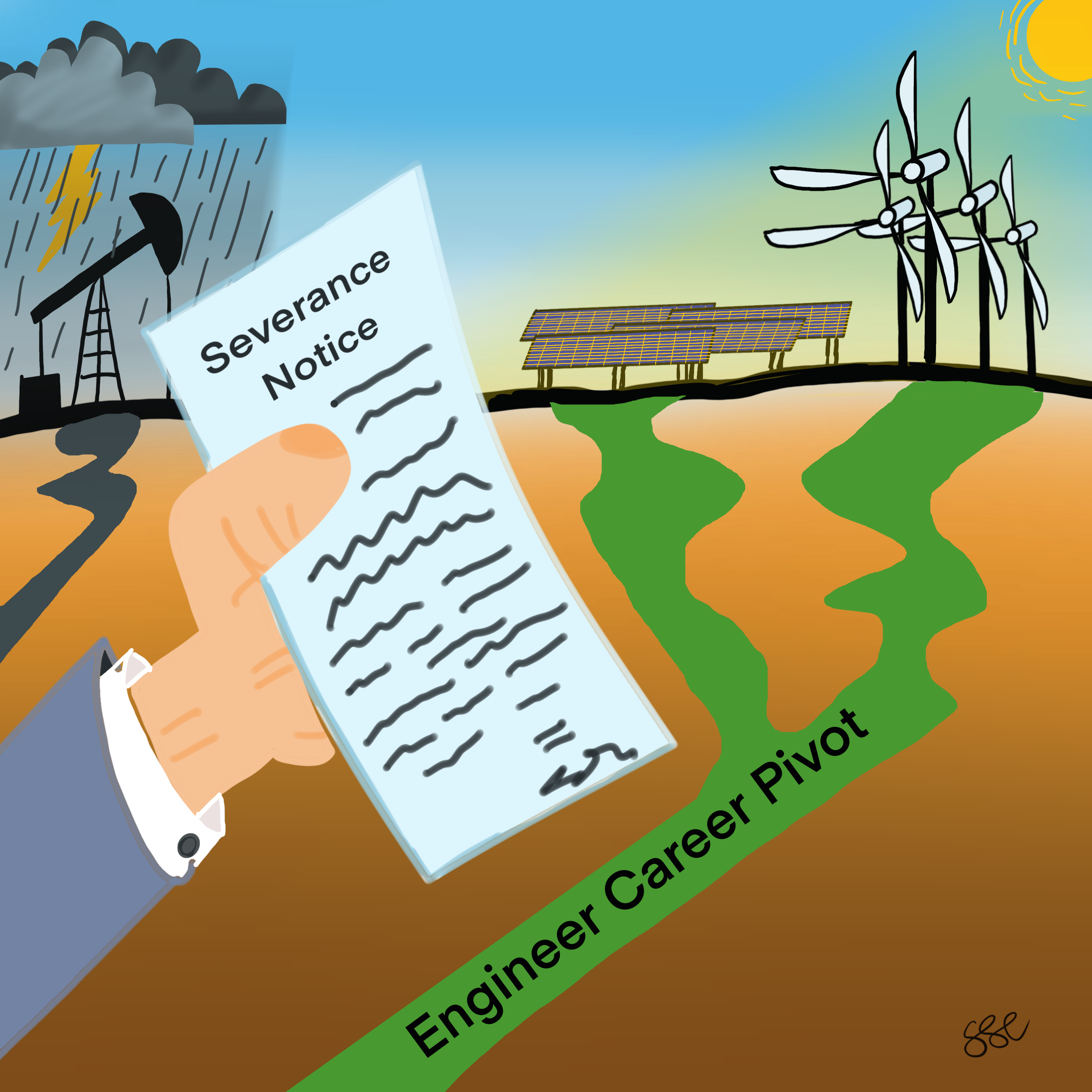
Why Your Digital Oil and Gas Innovation Is Doomed
With your company being acquired, what happens to the digital innovation you helped pioneer? Sadly, its days may be numbered. The unfortunate fate of digital innovations in the oil and gas industry following acquisitions is really depressing. Even groundbreaking technologies—despite their proven value—are often tossed to the curb by acquiring companies and their old-guard leaders. The structural a
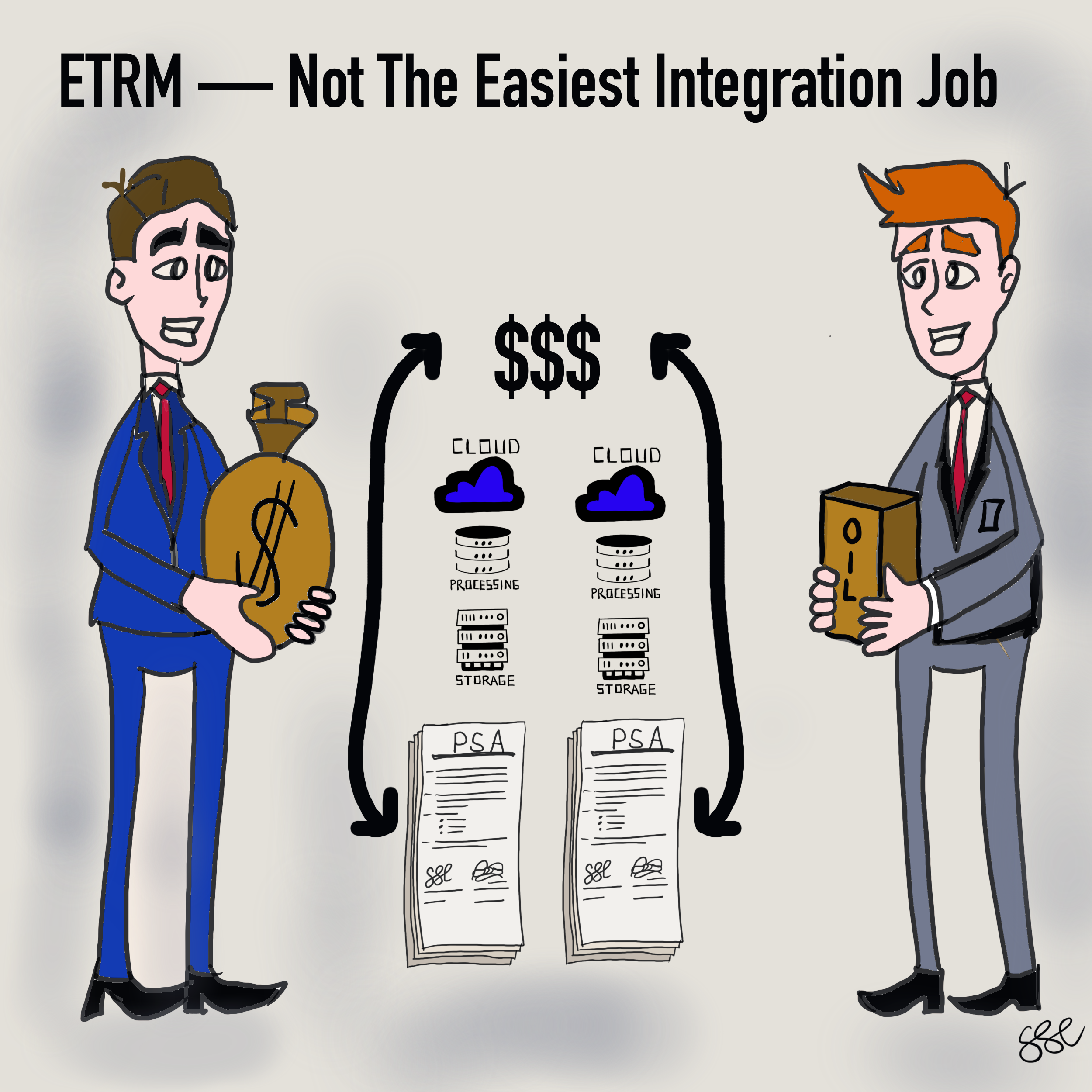
The Integrators Guide to ETRM
Stitching a new energy trading and risk management (ETRM) system into a modern systems environment is a substantial and risky undertaking. ETRM as a business function is notably complicated and the challenges an integrator faces are legion. Energy trading is perhaps the most complicated of all of the various functional areas one encounters in the oil and gas industry. It is a high risk, high stake
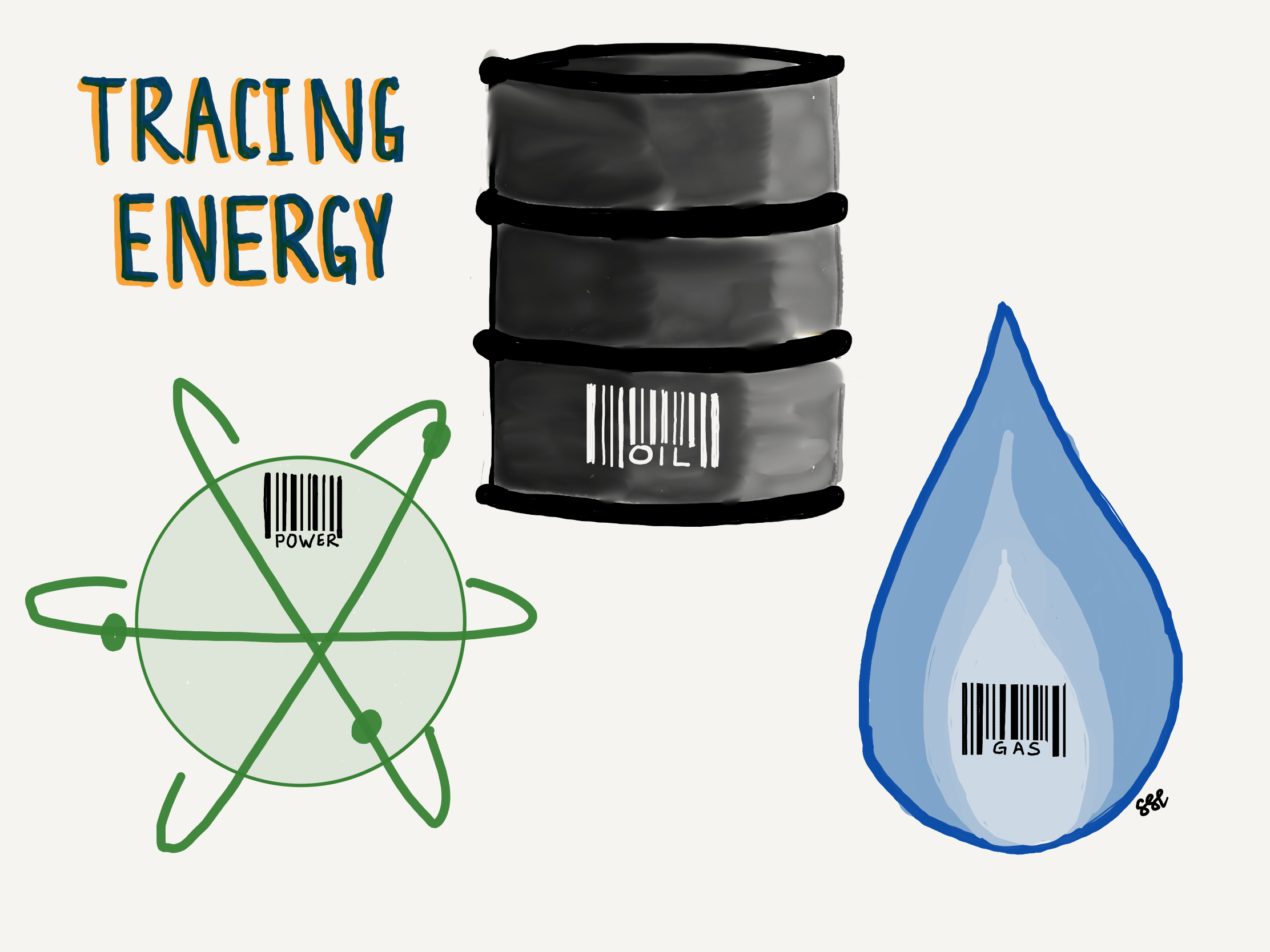
Navigating Green Compliance
Are you curious how the European Union's Deforestation Regulation (EUDR) might impact the global oil and gas industry? It will indirectly, thankfully, but in a specific instance and for a specific fuel type, very directly. The fuels industry is on a mad rush to decarbonize its fuel products, under pressure from regulators and customers both of whom are seeking fuels that produce far fewer damagin
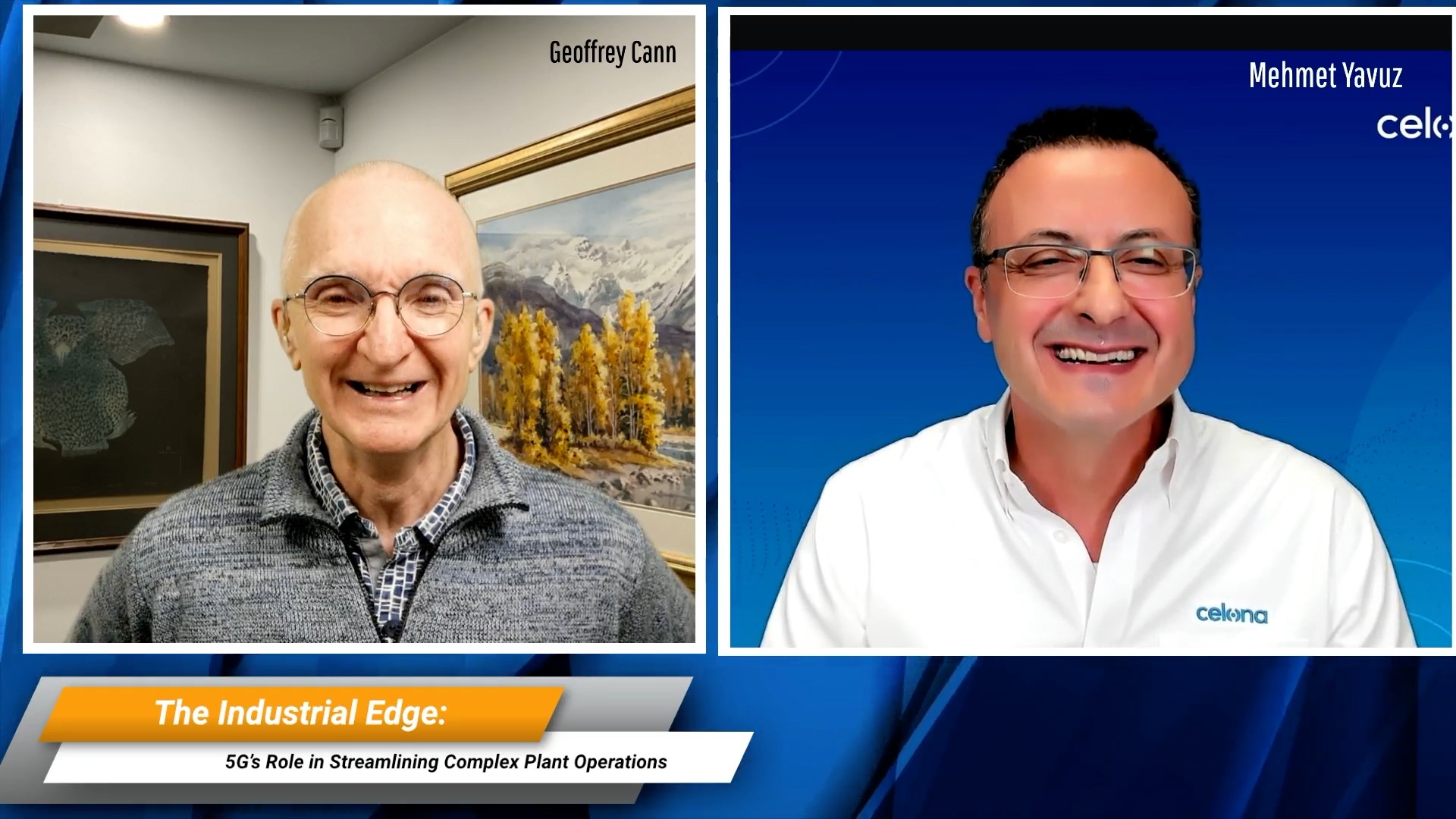
The Industrial Edge
#private5G #smartfactory #energy #petrochemicals Market-leading companies with complex plant operations, such as oil refineries and petrochemical plants, are turning to private 5G network technology to gain an industrial edge. In the oil refining and petrochemical sectors, inadequate connectivity is a growing challenge that hampers further drives to improve operational efficiency, safety, and comm
Building Safer Workplaces
Suicide is a significant and overlooked issue in various industries. Among the sectors most affected are construction and trades, installation, maintenance and repairs, and agriculture, particularly for men. These fields face high stress, long hours, and job insecurity, which can contribute to mental health struggles. Within oil and gas, the reliance on construction and skilled trades to build inf
The Mindset Shift
Successful change management in oil and gas is dependent on having the right mindset about the change. Many years ago, I was involved in implementing a new computer system for a remote field office. The managers assured us that all they needed to do to guarantee a successful implementation was to order the employees by memo to use the system. Change management? Tick. We dutifully couriered to the
Traceable Truths
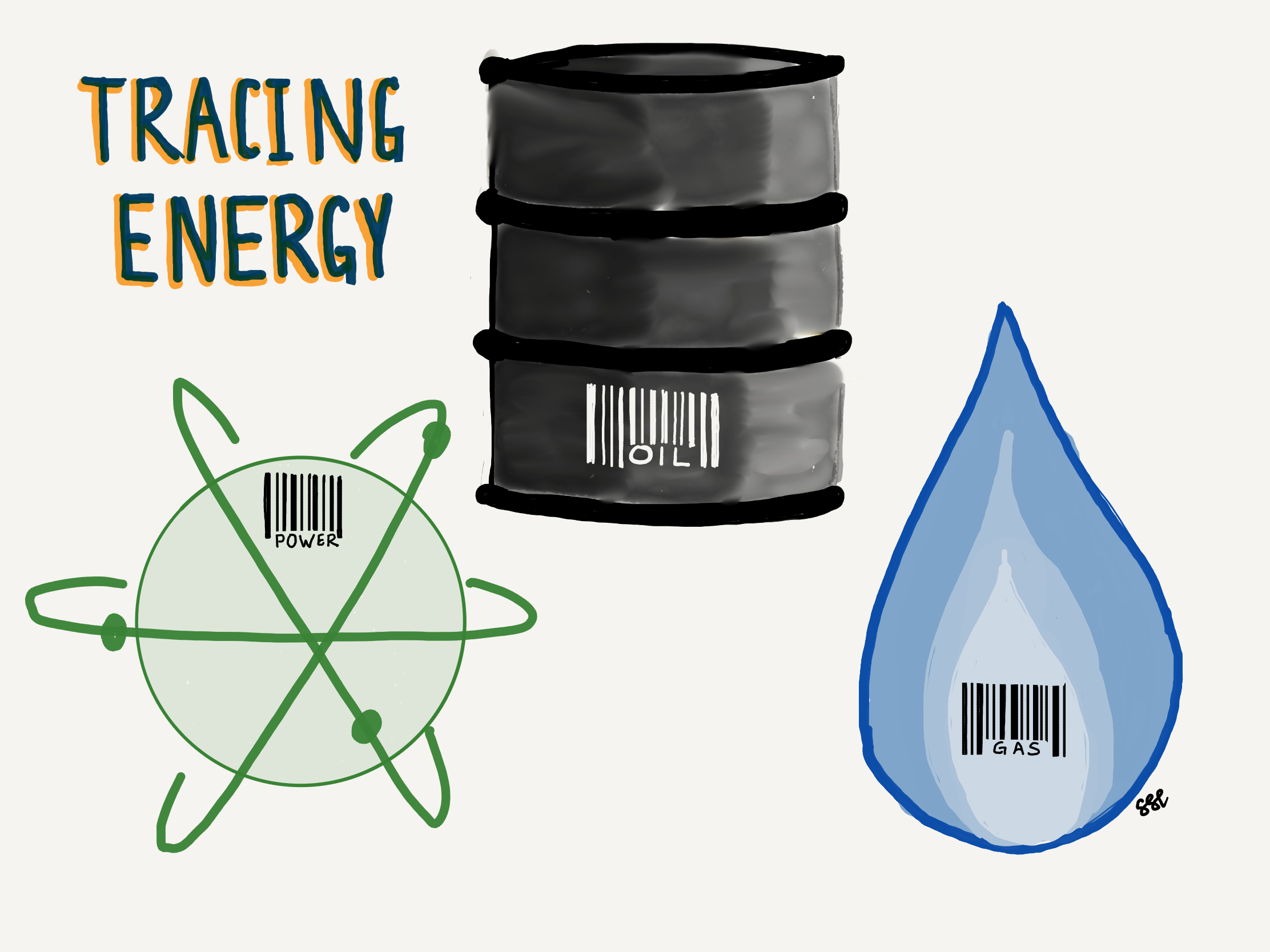
It's never been easy for energy products to demonstrate they are sustainable because such products are not easily traceable through the supply chain. Commodity products such as energy, plastics, carbon, and fuels are fungible, voluminous, and blended with each other. The supply chains are not segregated, leading to possible cross contamination when a sustainable fuel passes through infrastructur
Busting Biases, Boosting Innovation
Managers in oil and gas rely on various rules of thumb to accelerate decision making, but at times these biases get in the way of making better decisions. Biases that were at one time helpful are now a kind of risk. Examples include the emphasis on production above all else, the preference for proven over novel solutions, and the preference for those innovations that originate in th