GDP - The Global Development Primer
The Global Development Primer is a podcast hosted by Professor Bob Huish from Dalhousie University in Halifax, Nova Scotia, Canada. It explores a wide range of issues in international development, featuring insights from researchers, practitioners, and policymakers around the world. The show aims to inform listeners about the latest and most pressing global development topics.
Episodes
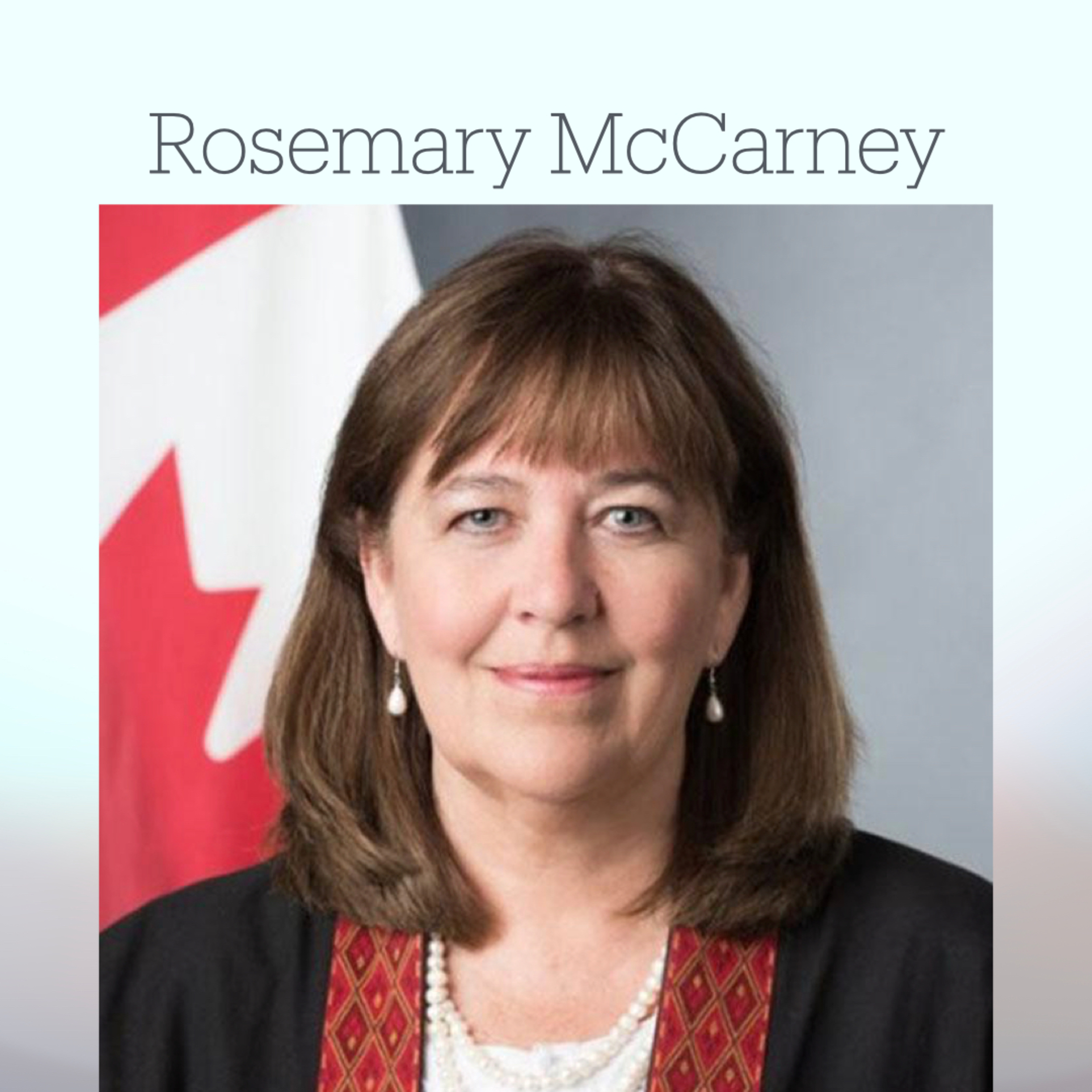
Development in the Era of Rupture
In an era of compounding shocks and shifting borders, global development can no longer afford to be a sector that is procedurally sophisticated but politically naive. We must urgently explore how to move beyond linear models of development cooperation to build strategic resilience in a non-linear world where conflict and volatility are the new central realities of development. Rosemary McCarney sp
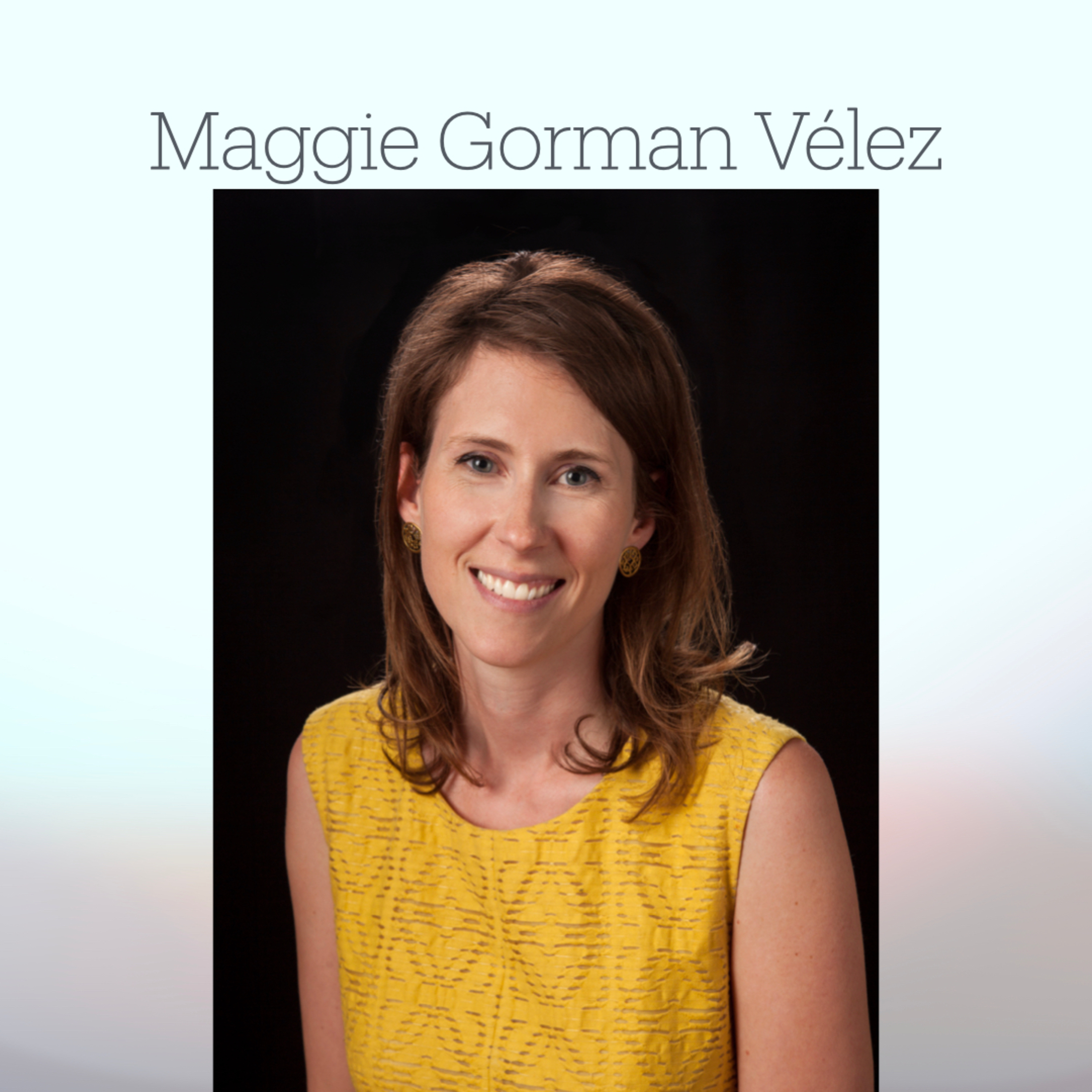
Can international research centres be a means to a more sustainable and inclusive world?
The International Development Research Centre (IDRC) is a unique approach to global development that not only continues on, but may in fact thrive through one of the most turbulent times in Global Development. At a time when many foreign aid and global development agencies are folding up, IDRC champions and funds research and innovation within and alongside developing nations. Embracing new techno
"Your Skepticism is Warranted": Claude AI
I can't believe we're doing this. But here it is. Inspired by Senator #BernieSanders, I sit down with #ClaudeAi to have a conversation about any shady business going on with Ai. Data collection, microtargeting, and undermining democracy are all discussed with this ChatBot. We go further: I ask Claude to take a stance on whether or not non-human technology exists on Earth, and it says, defi
No Good Can Come From This: Why is Trump isolating Cuba from the World?
Donald Trump has bullied everyone. But when it comes to Cuba, Trump's bellicosity is different. Unlike many of the executive orders hastily signed with an immoderate sharpie stroke, Trump's economic weapons against Cuba are backed up with congressional acts dating as far back as the 1960s. This makes them harder to undo and more serious to enact. Currently, Cuba is facing its worst crisis
Say "ayo" to the Fund for Armenian Relief.
Armenia doesn't always get mentioned in Global Development dialogue, but the struggle for economic and social indepdence is very real among many at-risk communities within the country. The Fund for Armenian Relief has advanced fundraising and developed programs that go beyond meeting basic needs; they help people gain skills and become financially self-sufficient. In this podcast, we meet Bree
The School in the Market & The Market for Schools
When Irene Pritzker walked into the Agbogbloshie Market in Ghana’s capital city of Accra in 2008, her heart ached.Inside the market was a small but growing school—Paulina’s Queensland School, run by entrepreneur Paulina Nlando—with between 100 and 150 students. It was in a desperate state of physical disrepair, with dirt floors, poor lighting, and dangerous exposed wiring. But Paulina and thousand
The Whole World is Unimpressed: What now for Development?
A year after Elon Musk and Donald Trump destroyed USAID, where is development today? The US took $68 billion dollars out of the global development budget last year. Other countries are slashing their budgets too. Now what?If global development was about positioning the US as a strategic ally across the globe, it is now toast. But if development can continue to be more than political positioning,
This is the most feared podcast in Texas
If you're tuning in from Texas, keep listening. We're going to talk about what they don't want you to hear. In this episode of GDP, we're talking about academic censorship, in particular the case of Texas A&M banning Plato's Symposium. We bring in Platonic expert Eli Diamond to tell us exactly what is being banned: an erotic booze fuled drama of debauchery and perverse
Is there a future in Global Development?
Is there a future in Global Development? Will the U.S. be at the forefront of it? When it comes to the life saving services provided by USAID around the world, who will pick up the pieces? The answer is not clear, but Dennis Vega has seen this transformative moment in global development from the front lines. He joins us today to discuss what's going on, how deep the impact is, and to rememb

What's all the Buzz about Bees and Sanctions?
Could honey bees best explain how sanctions are supposed to work? To prevent bloodshed, sanctions are meant to to take down an opponent by a collective effort. That's how bees do it? How do we do it? In this episode we learn a lot about bees and draw some sticky connections and analogies to current global politics.Alex Pedersen is the past president of the Limestone Beekeepers’ Guild and currently
How Academia Resembles a Drug Gang
"If I say you're a friend of mine, that means you're connected. If I say you're a friend of ours, that means you're a made guy. If I introduce you, I'm responsible for you. Anything wrong with you, I go down". That's how Lefty Ruggiero (Al Pacino) explains to Donnie Brasco (Johnny Depp) what it means to be a wise guy in a gang. Turn this dialogue into academiceze
Is Development Destroyed? Not so fast!
US-based international development organizations will now need to heavily rely on private funding to grow—and even maintain—their operations around the world. Can that work? If so, what kind of programs are well-suited to private funding?World Neighbors, a nearly 75-year-old development organization based in Oklahoma City, OK, has relied overwhelmingly on private funding for nearly all of its e
89 Seconds to Midnight or: Iran's Big Beautiful Bomb
"Do you recall what Clemenceau once said about war? He said war was too important to be left to the generals. When he said that, 50 years ago, he might have been right. But today, war is too important to be left to politicians. They have neither the time, the training, nor the inclination for strategic thought" That's one of the best lines from by General Jack Ripper, from Stanley Kubrick's Dr. S
Today I saw a revolution
"Today I Saw a Revolution" captures the remarkable life of Professor Badiul Majumdar, a visionary leader whose groundbreaking efforts have mobilized millions to end hunger in Bangladesh. This insightful biography offers a compelling look at the man behind the movement—his humble beginnings, innovative ideas, and unwavering commitment to justice and empowerment.Badiul’s story also reveals
Thriving Through the Great Crash
We have spent the last three weeks trying to emerge from the tariff-ridden, anti-immigration, lacking opposition, diabolical fever dream of Trump's Whitehouse. Here, the band comes back together to ask how we can actually thrive through this era. Big ideas are in this podcast. Some of them straight forward, others are a little spicy. Tune in, check it out and keep the conversation going on h

The Front Line of Hope And The Last Line of Sovereignty: Praise for Civilian Defense.
What do you do when the Commander in Chief of the world's largest military starts popping off about annexing your country? Especially when that military is 10 times the size of your own? Panic? Enlist? Appease? Or Focus? And focus on what has worked in the past to repel such aggression. In Ukraine, Czechia, Egypt, and other places a careful blend of Civil Defense and non-violent resistance has
The Empire Strikes Back: When Imperialists have the presidency.
Supply Management, clean water, and universal health care all offend the Trump administration to the point of wanting it eliminated through annexation. The U.S. constitution is designed for annexation and expansion. It's also not the first time that Washington has threatened Canada with conquest. Overnight Canada has gone from the most geographically secure, to the most geographically vulnerable c
The Day Development Died
A long, long time ago, I can still remember how foreign aid used to make me smile, and I knew if there was a chance that it could make those people dance, and maybe they’d be happy for a while. But February made me shiver, with every paper I’d deliver, bad news on the doorstep, I couldn’t take one more step. I can’t remember if I cried when I read about the widowed brides, but something touched
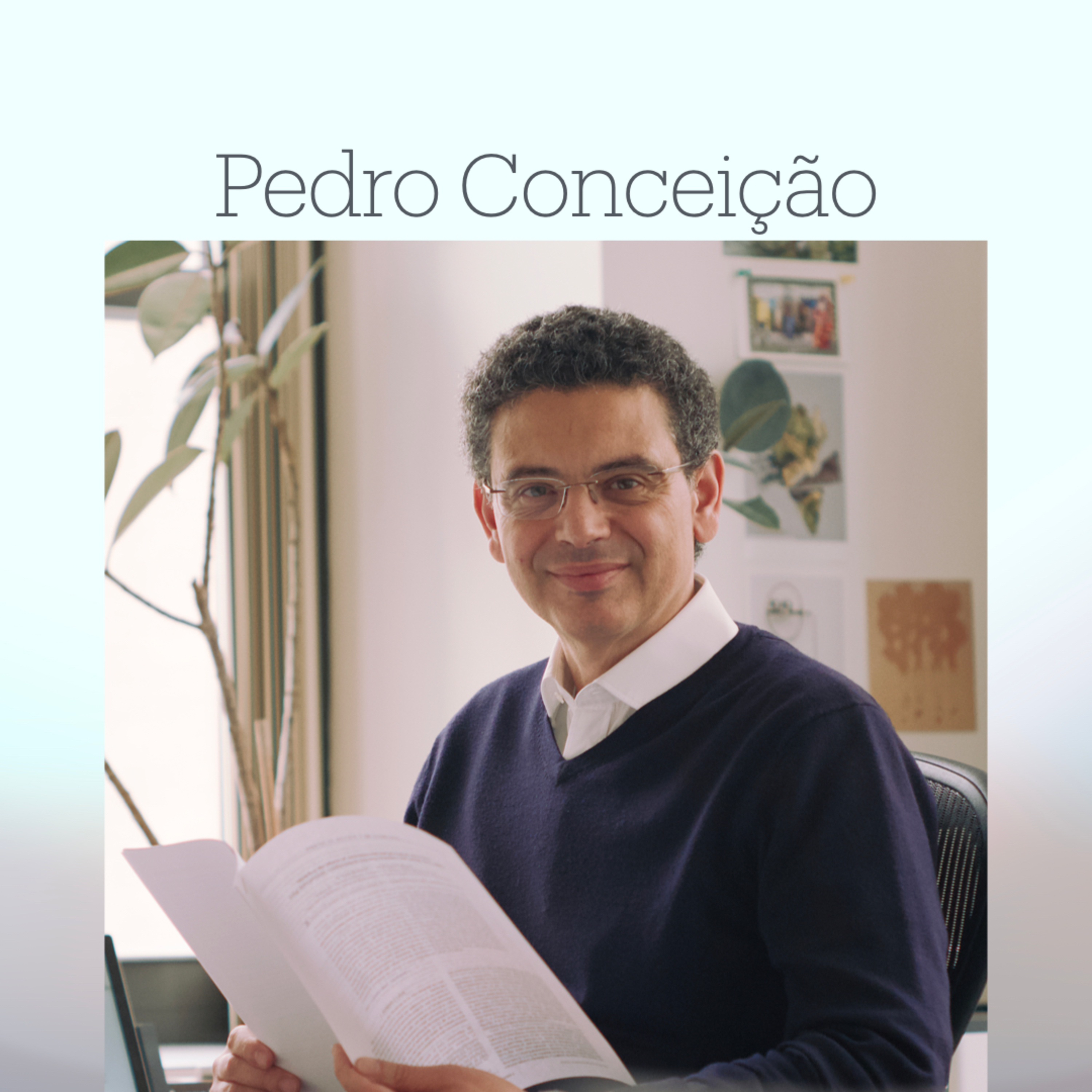
What is holding Human Development Back? The Fog of Misperception.
Political polarization and disinformation is not just out of control - it is crippling Global Development. The 2023/2024 UNDP Human Development Report makes the case with sound methods and transparent data that political polarization is creating a trench in human development. We know about the supply of political populism and disinformation. What about the demand for it? Where is this coming from?
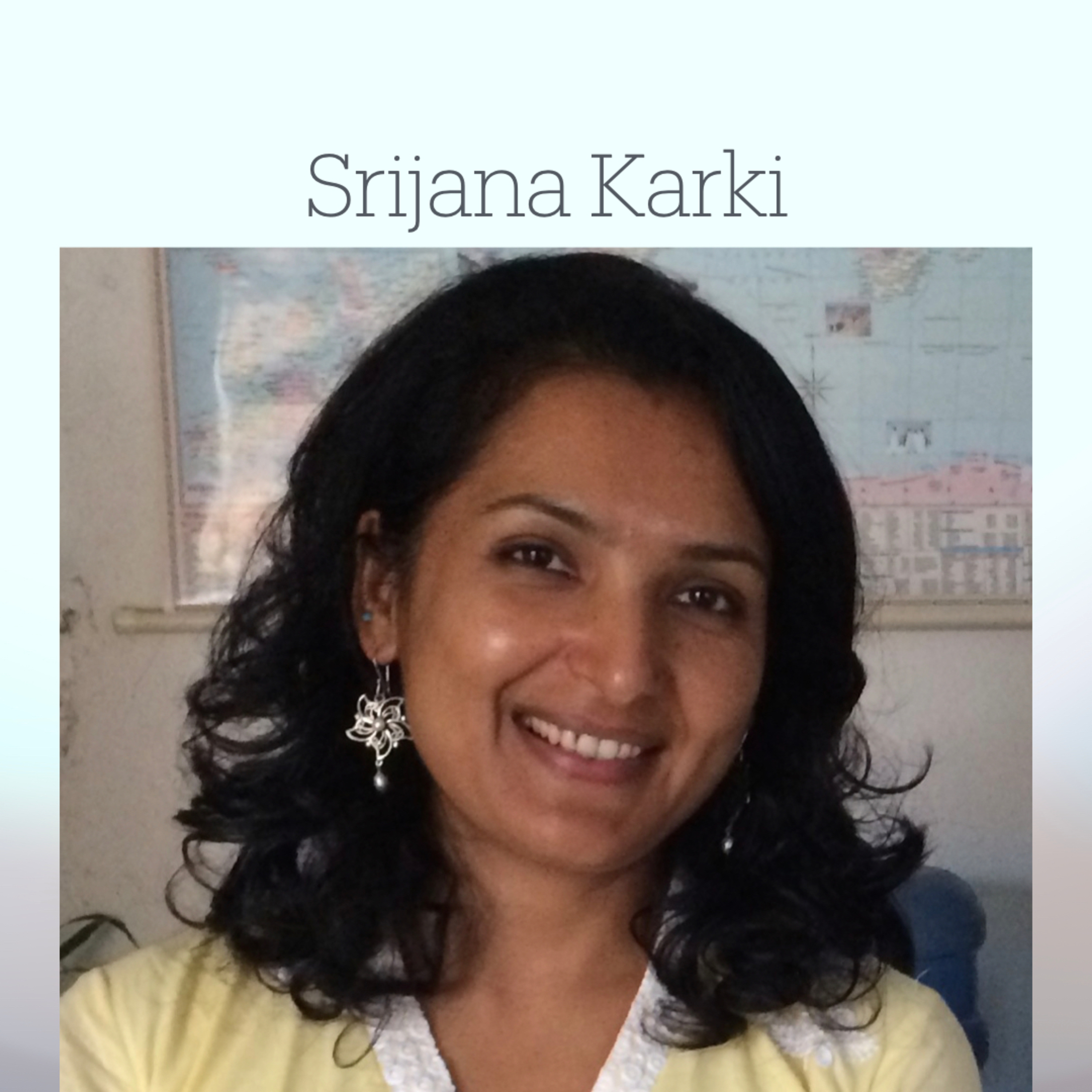
India's greatest strength and toughest challenge: Diversity
India is experiencing dramatic change economically and politically. As India's influence continues to grow globally, what happens at home? And what happens in regions that have highly diverse populations along religious or cultural lines? Srijana Karki has worked in, and between, diverse communities in India. She joins us on GDP to share her experiences of how diversity and cooperation can flo

It's Gone Off the Rails: The Global Sustainability Crisis.
We're 6 years out from the Sustainable Development Goals, and it's not looking good. The COVID-19 pandemic, Russia's war against Ukraine, and now war in the Middle East have put a handbrake on the global goals. What's more, the cost of everything has gone up, and it will likely mean that hundreds of millions of people will not ascend out of poverty by 2030. To help us understand th

Meet your New Neighbours: Why Cities Need More Help for Migration and Climate Crises
Mass migration and climate change are urban crises. The lack of preparedness of cities around the world to handle climate adaptation is lagging. What's more the current and future stresses on mass migration due to climate and conflict will impact cities the most...and in particular a handful of cities in the global South. How can cities be better prepared for what lies ahead? Vittoria Zanuso h
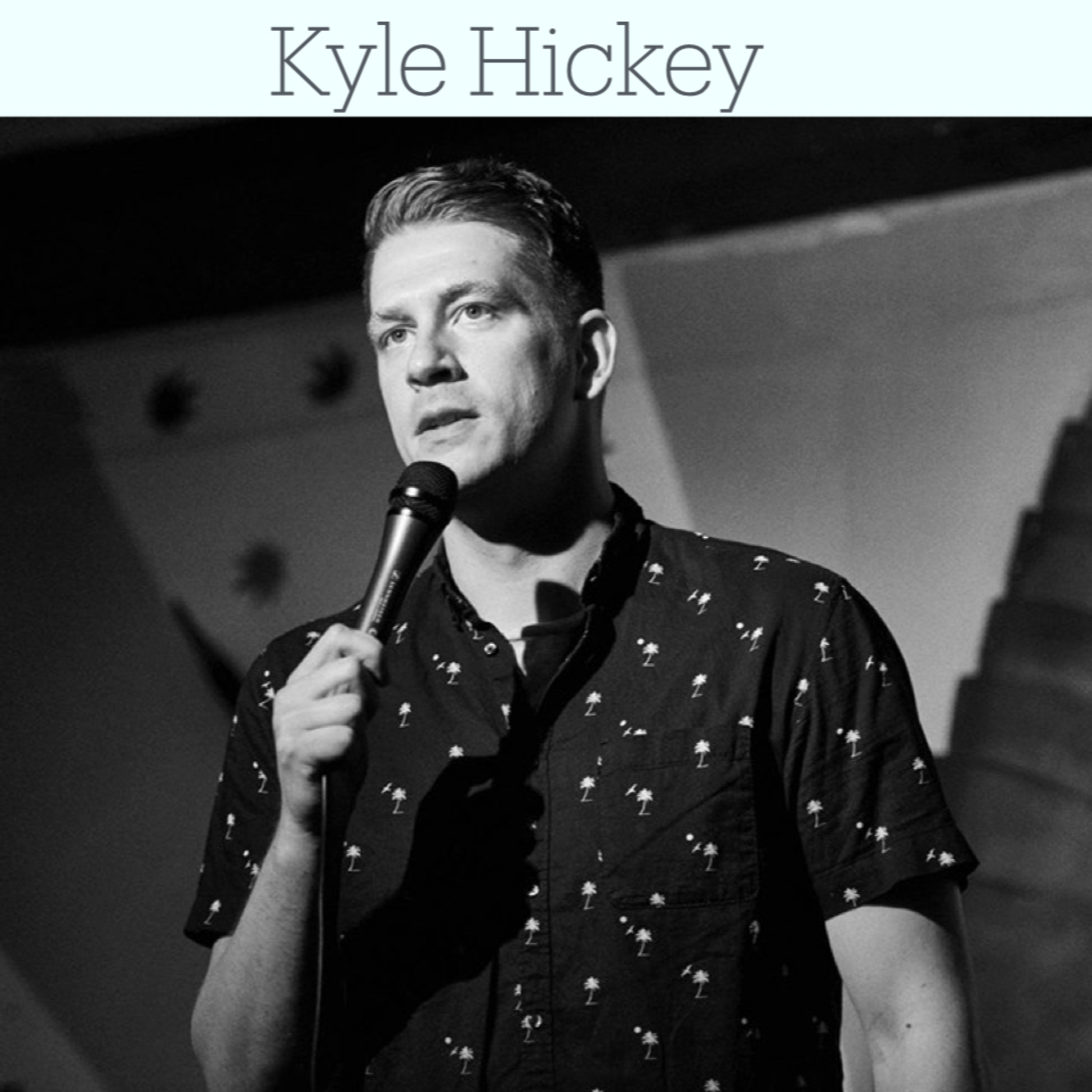
Send in the Clowns: Why Vladimir Putin Fears Comedians.
"We all remember Alexander the Liberator [Alexander II] and Yaroslav the Wise [Yaroslav I]. Well, now we’ll have Vladimir the Poisoner of Underpants...and it is the duty of every person to defy him" Some of the final words from the late Russian Opposition Leader Aleksei Navalny. Navalny was a ferocious opponent to Vladimir Putin, and he was also pretty hilarious. Telling jokes until his
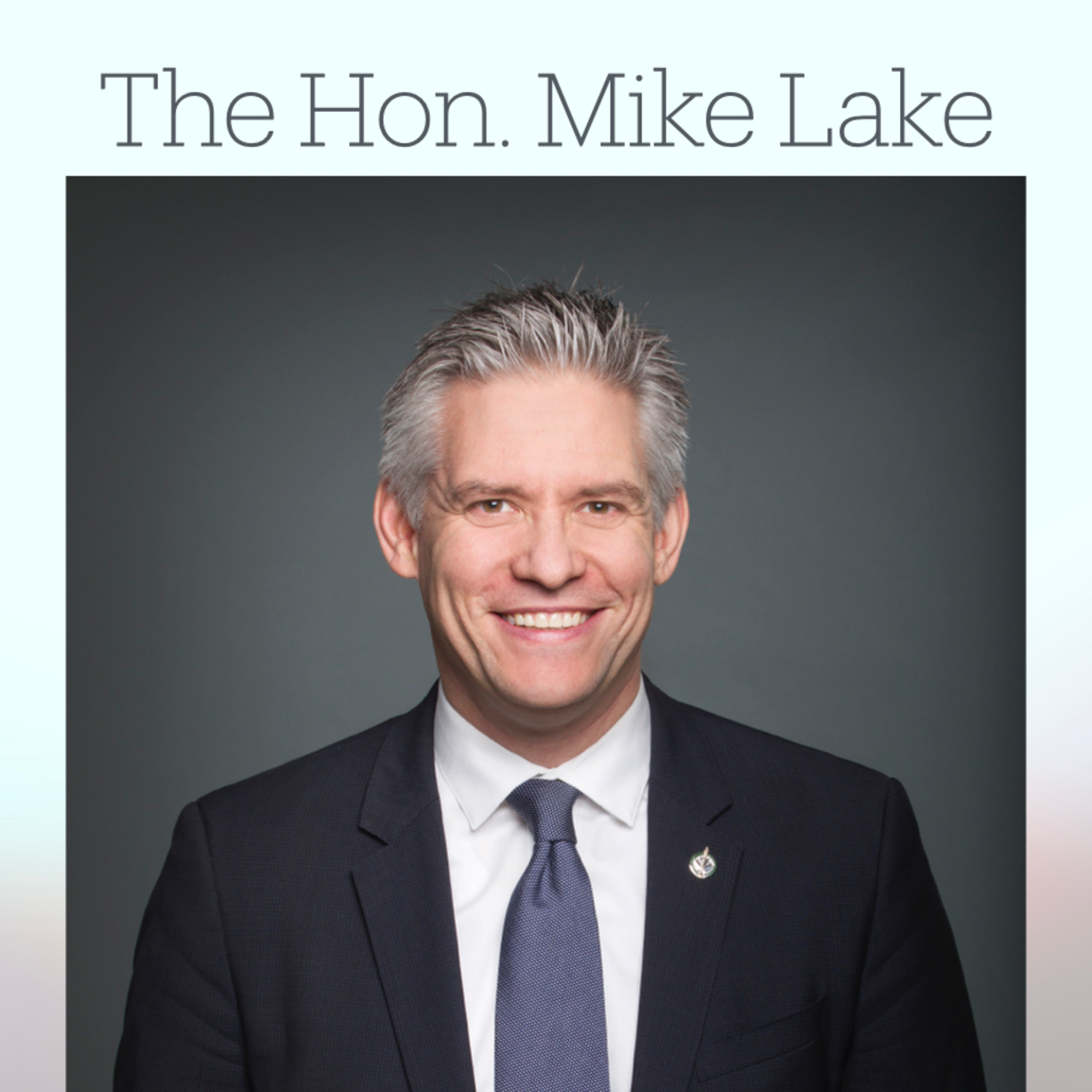
Right Now, We Need You: A Story of Advocacy From a Father and Son Living with Autism
In so many parts of the world children with intellectual disabilities are excluded from education opportunities. Once they are shunned, they are stigmatized. Once stigma sets in, entire families can fall victim to various acts of hatred. It is why inclusive education for persons with physical and intellectual disabilities needs to count. The Honourable Mike Lake (PC MP) travels widely to tell au
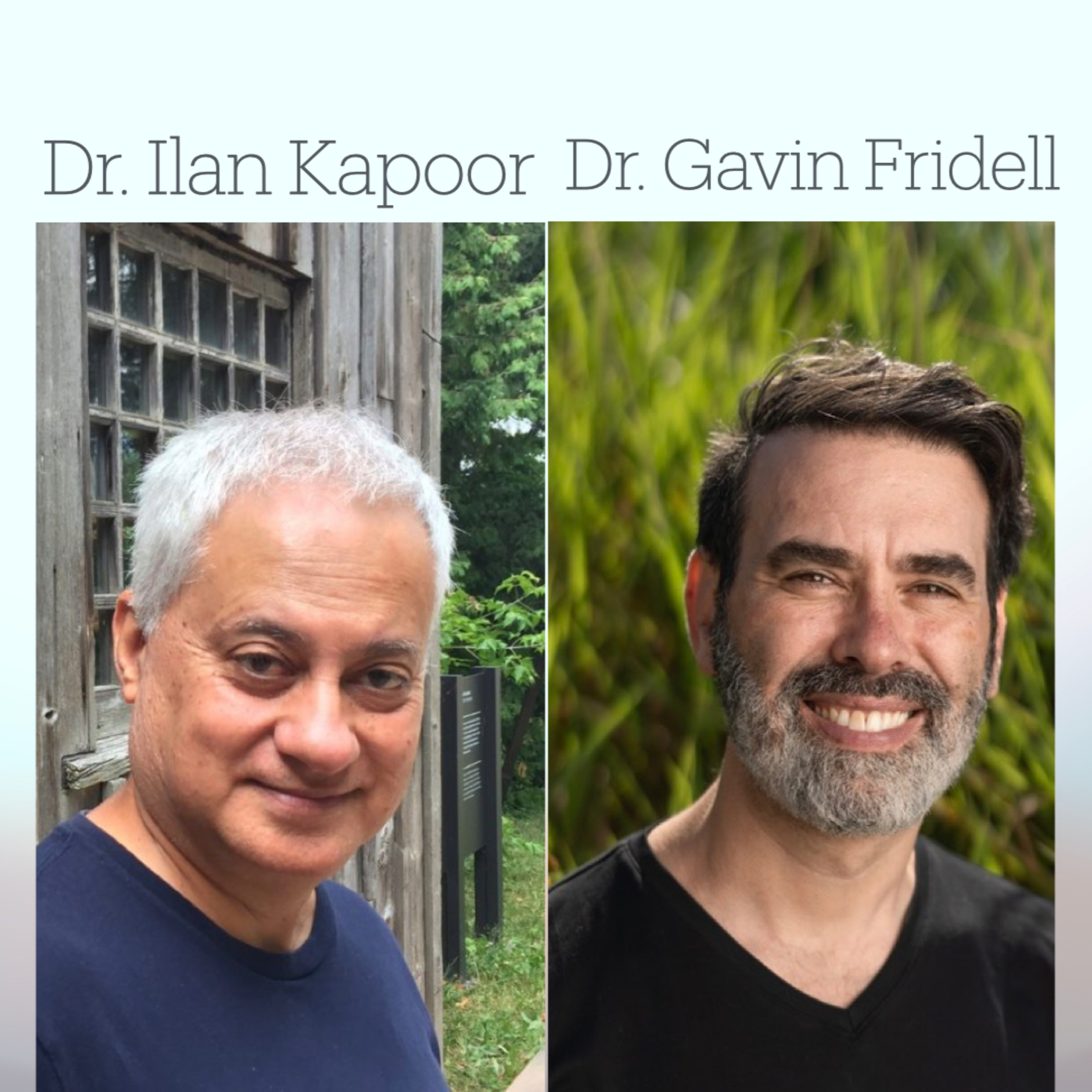
Live with the Tension: Rethinking Development Politics
How many times have we pursued Global Development Projects, from agricultural technology to power grids, with the promise that it will all be okay, and then it falls short? All the time. How many times have Global Development Theories encouraged a change in discourse to rest upon idolized examples that mask over important complexities? All the time.
This time Dr. Ilan Kapoor and Dr. Gavin Fridell
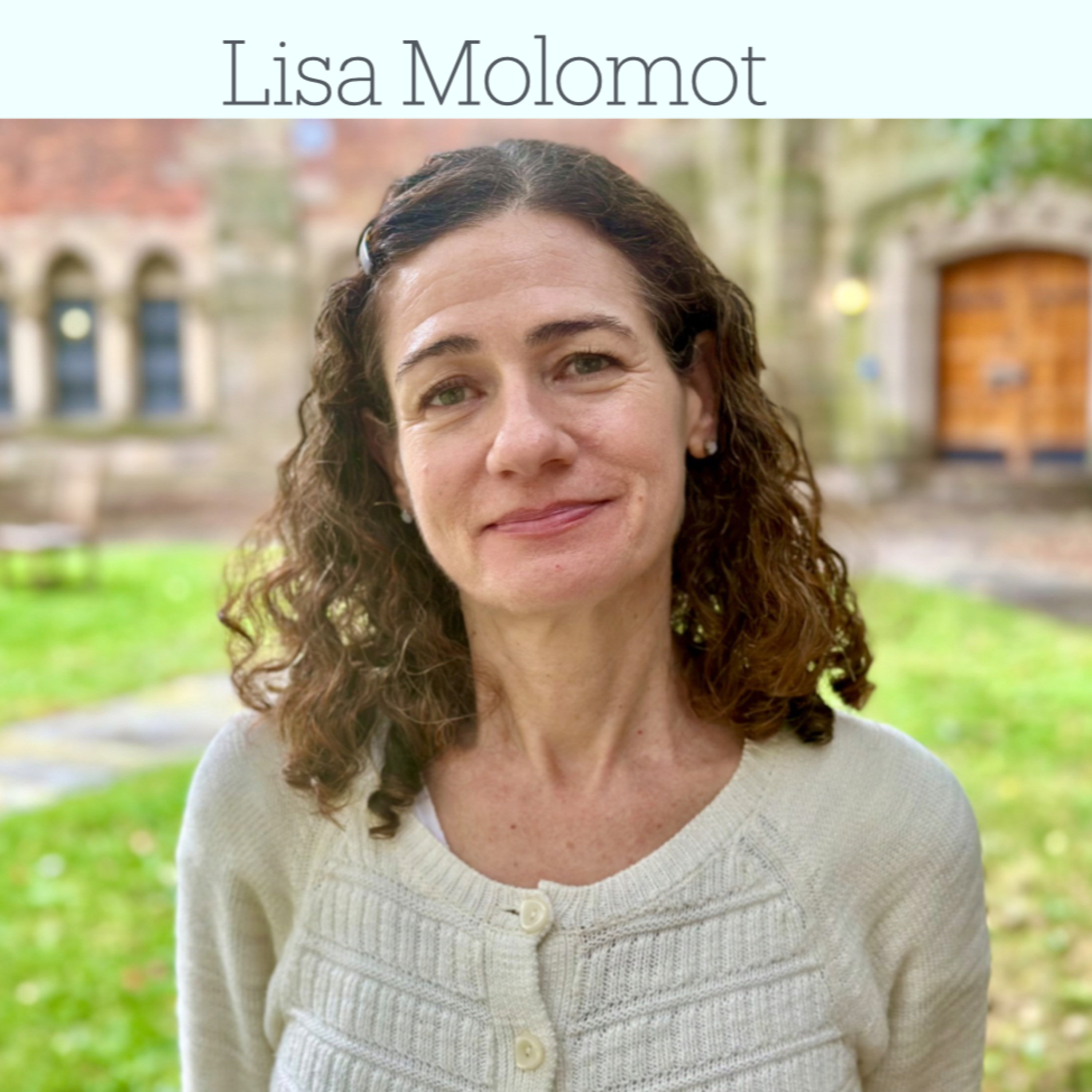
Soledad: What life is like for imprisoned asylum seekers in the United States
Soledad is a documentary by Peabody Award Winner Lisa Molomot that tells the story of a young woman from Central America who was imprisoned in the Eloy Detention Facility when she sought asylum in the United States. Soledad set out on a perilous journey from her homeland after enduring horrific persecution where she was kidnapped, sex-trafficked, tortured and nearly killed.
Through one woman's
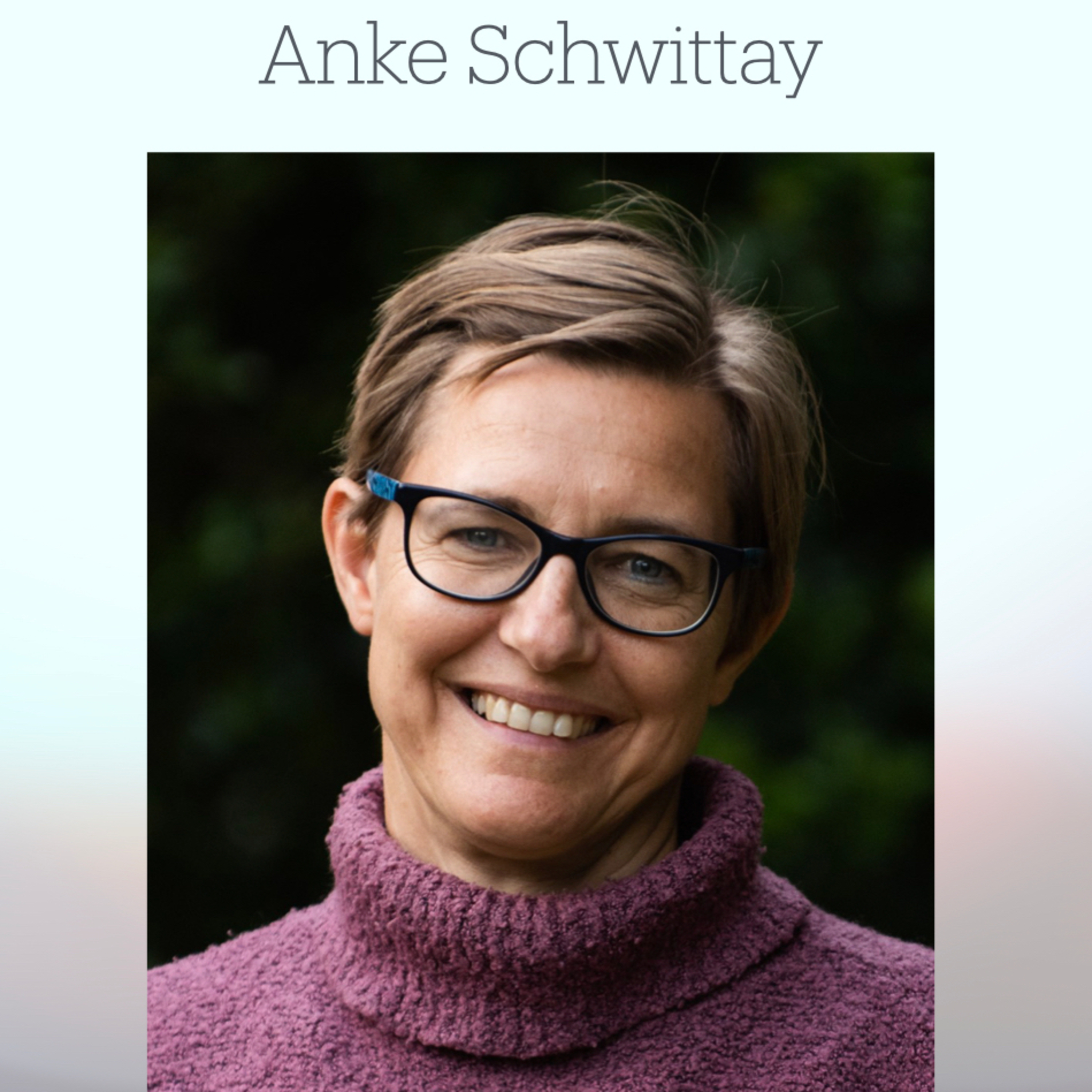
Is Development Dead? Far from it: Get Ready For A New Era of Global Development Education
There is a lot of talk amongst Global Development Studies as to whether or not the discipline itself is in decline. One of the key features of global development education was the opportunity to gain real world experience in cross-cultural settings. Dodgy past practices, climate concerns, and decolonial critique have put service learning abroad out of style.
Prof. Anke Schwittay says that before
The "Multilateralverse": What Multilateral firms do for development, and how you can join them.
Clean energy is coming to Asia. But who is going to get it there? Multilateral development agencies like the Asian Development Bank are sometimes overlooked, or not well understood as important players by development scholars. But big ideas, big projects, and big dollars are involved in taking on ambitious development work. To get a sense of how the Asian Development Bank rolls, we're joined b
To the bankers: Better community-based savings and financing could lead to a more peaceful planet.
2024 is turning out to be deadly for many. Expanding war in the Middle East, the war of attrition continues in Ukraine, and now gangs are trying over run Ecuador. How do we answer the question "Why is this happening"? To some degree the answer lies in understanding why young men, and they are mostly men, are willing to enter into high risk deadly combat in the first place. What's d

Think getting your grandparents connected to new technology is tricky? Try 3.7 billion people. Digitalization and International Development.
If you think it's a real chore getting your parents or grandparents connected to new technology? Try 3.7 billion people! That's the digital divide we're facing today on a global scale. Industry wants to see this happen, and as we've seen in the past, there are ethical concerns about getting connected too quickly. Where are governments on this in terms of providing effective aid? Is
Special Feature: Why Ukraine Is Running Low On Ammunition & Support on the Bill Kelly Podcast.
CLICK HERE TO LISTEN TO THE FULL EPISODE ON THE BILL KELLY PODCAST.
Nearly two years into the war in Ukraine, is the west still paying attention, notably the United States? If funding or support from Washington wanes, will Ukraine be able to win a war of attrition against Russia? For this special issue of GDP, Dr. Bob is interviewed by legendary radio personality, Bill Kelly. Bob and Bill get do
El miedo en el medio del mundo: Gang Violence Takes Ecuador.
Ecuador has tumbled into a state of fear and peril. In early January 2024 armed men stormed a popular evening television show in Guayaquil. It was a brazen visualization of growing gang violence across the country. Under state of emergency, Ecuador is now facing declared internal conflict. Why? In part due to the changing geography of narco-trafficking in the region, in part due to economic insta
So you want to work in Global Development? Here's how.
So you want a career in Global Development? You asked your professor about what to do next, and their response was underwhelming? A lot of that going around. This is why Gretchen Villegas is the person to talk to. In this interview with GDP, Gretchen shares some powerful advice on how to get involved in global development. Sharing stories of her own career, Gretchen spells out why more students
Scaling Up Development: Why it is mission critical.
Today, nearly one billion people lack electricity, over three billion lack clean water, and 750 million lack basic literacy skills. Many of these challenges could be solved with existing solutions, and technology enables us to reach the last mile like never before. Yet, few solutions attain the necessary scale to match the size of these challenges. Scaling Up Development Impact is written by Isab
The Scarcest Resource in the Middle East is Trust: How Water Management Could be a building block towards peace.
The war between Israel and Hamas is unfolding into a humanitarian catastrophe. Water is the most precious resource for Gaza, and it is in short supply. Ground water supplies are sparse, and Israel controls inflow into Gaza. To punish Hamas, Israel temporarily turned off the taps which led to further humanitarian emergencies.
Israel has mastered scarce water resource technology, including de-salin
A burger with a side order of methane: The Staggering Consequences of Animal Industrial Agriculture
As smelly as they are, flatulent cattle really take their toll on the climate. Major producers of methane, cattle, and other industrialized animals in agriculture, produces detrimental levels of methane which warm the planet faster than carbon. Not only is there no end in sight to seeking alternatives to this industry, but the World Bank has approved Industrial Agriculture as being compliant to th
Why Humanitarian Hurt is Being Used as a Military Tactic in Gaza.
War is raging in The Gaza Strip. As Israel prepares for a ground invasion, Hamas holds dozens of prisoners, and now with knowledge that U.S. citizens are in the mix, it all spells disaster for Gaza. The Gaza Strip, home to 2.3 million people under a heavy blockade on movement and basic resources, are now facing an unprecedented humanitarian crisis in this conflict.
The simple question is: "Wh
The Deep Digital Divide & Frugal Innovation
Almost 1/3 of the 8 billion people on this planet have never used the internet. Landlocked countries, conflict zones and remote islands have the highest rates of people who have never "logged on". This is a problem that goes beyond being a new face of inequality. As Anir Chowdhury says, the internet "is like oxygen"as those who have it, exist through it. But for those who do
Striking Today & Voting Tomorrow: How Youth Activists are tackling the climate crisis.
Howard Zinn said, "People in all countries need the spirit of disobedience", and that "once they organize and protest and create movements—have a voice no government can suppress". High school students like Iman Mannathukkaren are doing exactly that. Concerned about the the world that they are going to inherit, and ready to talk to the highest offices in the land to demand a carbon-free economy, s

🇰🇵"Kim Jong Gone"? Pursuing human rights and doing research in North Korea. 🇰🇵
In April 2020 rumour spread like wildfire that Kim Jong Un died. Greg Scarlatoiu and Dr. Bob Huish didn't believe it. They were right. So how did the world get this story so wrong? In this episode of GDP, Dr. Bob chats with Greg Scarlatoiu, the Executive Director of the Committee for Human Rights in North Korea (HRNK) in Washington, D.C., about the challenges of doing research in North Korea.

Who is trying to help? The Commitment to Global Development Index.
The Sustainable Development Goals were at the top of the agenda for the United Nations General Assembly in New York this year. How many donor countries get a failing grade when it comes to meeting the target of contributing 0.7% of their Gross National Income? A lot. But 3 countries in Europe are standing out as leaders in surpassing the 0.7% commitment. And this comes at a time when countries li
Development Beyond Brexit: Furthering Global Britain in East Africa.
Did the bedlam of Brexit impact the United Kingdom as a global partner and donor? Is Russia and China pushing the UK out of Africa? Are partner nations in Africa rejecting the "assistance" from former colonial powers? Looking at the changing dynamics in East Africa, Simon Rynn and Michael Jones take a deep dive into the subject with their recent policy paper Furthering Global Britain? Re
Why The Vegas Buffet, Isn't The Way: Digging into the hunger project.
It continues to baffle many as how hunger remains in a planet of 8 billion people when there is the ability and potential to feed everyone. In this conversation with Tim Prewitt, CEO of the Hunger Project, we explain why Las Vegas buffets probably won't save humanity from hunger. But local level community development projects in Uganda just might.
In Uganda, The Hunger Project is working in ni

Ponying up for the New Green Industrial Age
The spring meetings of the IMF and the World Bank are underway. Climate change adaptation is a top concern, and many wonder whether or not emerging economies can be part of the New Green Industrial Age. Technology, resources and political will exist. But do the finances? Will green technology remain a reserved commodity for affluent nations? Is it possible to change over millions of two-strok
What we need to do to avoid the next Global Pandemic.
Globally, public health is pretty beat up after the pandemic. High and low income countries alike are struggling to get their own health systems back to capacity, let alone think about preparing for the next global pandemic. Yet, if pandemics teach us anything, being prepared for the next one is what really matters. As Spring meetings commence for the World Bank and the International Monetary Fund
The Foggy Crystal Ball: Global Development by 2050
It's hard to predict what will happen next week, let alone more than 25 years down the road. Nevertheless a new report has come out from the Centre for Global Development titled: Scenarios for Future Global Growth to 2050. In it, there are many positive calls made. Severe poverty may disappear as we currently know it and measure it. Military spending may well be exhausted, and rich country g
Men Lead and Women Deliver: Global Health's Glass Ceiling.
During the COVID-19 pandemic women health care leaders stood out. Jurisdictions with women as elected leaders or top public health policy experts seemed to manage the challenges of the pandemic a bit better, and with a bit more public trust. Well before the pandemic, in parts of rural India communities that train Dalit women as community health workers often experienced dramatic improvements in he
Could feminism fend off threats to our democracies? You better believe it can.
Many countries around the world are growing deeply concerned about the health and well being of their democracies. China's foreign interference in elections is is a major concern at the moment for Canada, as it has been to New Zealand. But foreign governments are not necessarily the greatest to the health of democracies. In fact, one of the greatest threats to democratic well bei

Leaning into Uncomfortable Spaces: Strategies for dealing with Permacrisis
"Permacrisis" was declared word of the year by Collins English Dictionary. The idea is that state of crisis lingers on despite society's best efforts to wish it weren't there. War, climate change, economic crisis, and global inequality are with us. How do we begin to understand what we're up against? Do we pursue learning in order to find solutions? Do we attempt to l

Ay-Ay-Ay, an episode on AI: How ChatGpt will impact teaching, learning, development work, and even podcasts.
We promise that this podcast write up is in fact written by a human being. But we can't say the same about this episode of GDP itself. In this episode we let ChatGpt do some of the work by scripting dialogue, and then we ask it to write an essay about climate change and climate justice. With us this week is Dr. Becca Babcock and Dr. Anders Hayden both from Dalhousie University. &
Is it Business as Usual? Why Private Partnerships continue to be a cornerstone of Global Development.
If you've studied global development, you probably didn't get too far into the curriculum before learning about how private partnerships in development have led to ruin more than once. Oil companies, mining companies, water companies, chemical companies and others have all been called out on human rights abuses. Yet, the private sector remains a major player in global development. &nbs

When the World Went Upside down: A Conversation with Luis Martínez-Fernández
Journalists, it’s often said, write the first drafts of history because they are the first recorders and commentators of current events and social realities. And the last couple of years have been a meaty first draft. A global pandemic, a rise in authoritarianism, economic chaos, war in Europe, and now Artificial Intelligence that will write essays for you, and probably one day curate

Tell me a story: The Power & Purpose of Memoirs.
The power of stories in global development cannot be under-estimated. Chronicling experiences, encounters and adventures can inspire others to journey, engage and do the same. Rich stories can build relations and understanding in rich and dynamic ways. Telling stories comes with great power and responsibility. Stereotypes can be forged, speaking on behalf of others leads to
The Last Line of Defence: The World Bank's Inspection Panel.
When a World Bank Development project gets rolling, people's lives will be impacted. Sometimes for the better? Sometimes for the worse. If you are a person living in a project impacted community, and you feel that your life will worsen, what can you do? Protest? Standby and watch? Leave your home? These are all options, but another key option is to take your concerns

It's like a Fellini Film: Dissent In & Exodus Out Of Cuba.
Frederico Fellini films are a mix of "memory, dreams, fantasy and desire" that create idiosyncratic interpretations of society. If you're have any ties to, or interests in, Cuba, it might feel like you're in a Fellini script. Cuba entered the pandemic on the front foot. Sending its own health care workers around the world to assist with COVID-19 care, and then exporting its domes
Inclusive Disability Relief in Moldova: A Commitment to Action
Health and human needs only intensify during a conflict. Persons relying on disability-inclusive spaces and services face enormous challenges when attempting to flee their homes because of the threat of invasion or attack. Moldova continues to receive refugees from Ukraine, many of whom are in great need of disability inclusive care. But Who Cares? Where does the responsibi
Learning from the Afterlife of Genocide: Chronicles of Guatemala.
The Guatemalan genocide was the systematic murder of Maya civilians during the government rule in the 1970s and 1980s. Some 200,000 lives were taken by military and paramilitary operations during this era, all the while the government denied it was occurring. Governments are notoriously lousy at hiding secrets forever, and the military dictatorship in Guatemala was no exception. In 200

Any is too much: How the Out of the Shadows Index can be used to prevent child exploitation around.
Child exploitation. Any is too much. No government in the world would openly advocate for child exploitation. Yet, it occurs with impunity. The Out of the Shadows Index is a tool that can help get governments get on track to prevent vulnerabilities for child exploitation. Check out this episode with Rute Caldeira from Ignite Philanthropy, who is overseeing the strategic dir

Minding The Renter Wealth Equity Gap.
We want affordable housing! And we want housing to be the greatest appreciating asset! How can it be both?
This antipodal relationship is not only impossible to fulfill, its consequences are falling on renters. In the United States the average renter has a few thousand dollars of net wealth, while home owners boast hundreds of thousands.
Michael Barnes sees th
Innovate like your life depends on it...because it does.
A 17-year old student from Ukraine who may be able to put the land mine business out of business. A video game that connects players to solving pressing climate change challenges. And a robotic habitat for bees. These are 3 stories of innovations that are unfolding not just so people can thrive, but so they can thrive. In this episode of GDP, broadcast live from the CGI 202
The Clinton Global Initiative returns to a world with more challenges than ever before.
Not since 2016 has the Clinton Global Initiative met in person to make commitments for action against pressing global challenges. Climate change, health care, inclusive economic growth, gender inequalities, even the health and well being of bees. It's all on the table. For this episode of GDP, Dr. Bob heads to New York to catch the conversations of world leaders in government, bu

We Say No! How a feminist development organization in Sierra Leone is turning the Development Industry on its head.
Imagine this. A Non-Governmental Organization (NGO) founded in a post-conflict country in Western Africa that offers assistance to the Global North. And what if that same NGO refuses funds from those who disagree with its feminist mandate, and yet continues to thrive? And what if this organization, Purposeful - based in Sierra Leone, is a leading example of how to turn the develo
Possibility in a World Hungry for Hope: The 2022 Clinton Global Initiative.
Great ideas can be contagious. But they need networks, validation, and times mentorship. For the first time since 2016, the Clinton Global Initiative is coming back to New York alongside the United Nations General Assembly to bring together established and emerging leaders from government, business and philanthropy to tackle some of the world's most pressing challenges. From war

The Slow Pandemic: Antimicrobial Resistance
Finish your prescriptions even if you feel well. Wash your hands. And get ready for a tough new era of global health: Antimicrobial resistance. Antibiotics were the greatest heroes of World War 2. Thanks to this miracle medicine the 2nd world war was the first major conflict where people died of the actual wounds, not of infection. Praise for antibiotics was so high f

Dance, Thrive and Grow: How one community development project in Uganda protects traditional knowledge.
In Uganda 1 in 5 high-school aged children attend classes. In rural areas the number plummets to only 5% for young girls. This is in a country where 55% of the population is under 18. Ronald Kibirige works with InteRoots, an organization that sees how serious this education crisis is in Uganda. Beyond getting students into classrooms, there is real concern that traditions,

When a Breadbasket Burns: The Global Food Crisis of 2022
People are paying more for food in 2022 - a lot more! And in countries where food security is frail, access to the basics is going to get harder. Price spikes are being felt around the world. In some cases leading to violence, in other cases, triggering famine warnings. Russia's war in Ukraine is fuelling the crisis first by targeting Ukraine's wheat and sunflower oil produ
Working in Exile: How development practitioners will get the job done in the post-pandemic world.
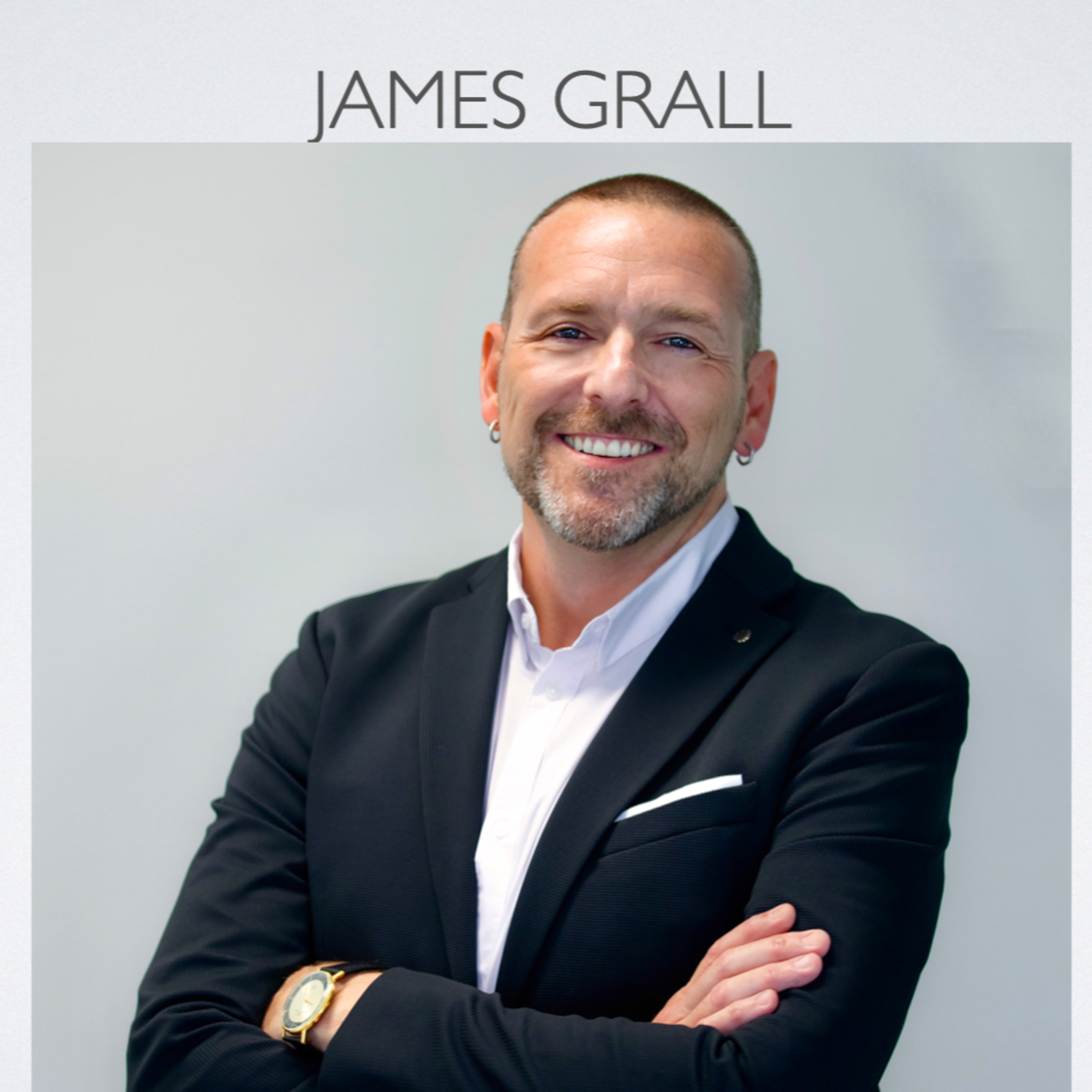
In this season finale of GDP, James Grall joins the conversation about how development practitioners can do what they do best in a challenging post-pandemic world. Will remote working be part of the equation? Are there risks of relying remote technology in countries with heavy handed internet surveillance? Are there opportunities for development scholars and practitioners to get
Hiding in Plain Sight: Why Savings and Credit are Still Essential to Crushing Poverty.
Deep poverty is increasing. Since the COVID-19 pandemic is making more people poorer - especially those who are already experiencing poverty. Some estimates suggest that COVID-19 wiped out the global gains on poverty alleviation in the three to four years before the pandemic. Knowing this? Now what? How can development practitioners begin to address this challenge? &n

Terrorism a thing of the past? Not so fast!
If you thought that the COVID-19 pandemic knocked put the threat of terrorism to rest? Think again. Sondre Lindahl sees the threat of terrorism happening anywhere that there is political instability. The form it takes? Who perpetuates it, and how they carry out actions can vary widely, but rest assured, the threat of terror activities remains high. So how should the w

Relief Chief: A discussion on the new paradigm of humanitarian assistance.
Humanitarian organizations do their jobs well in times of crisis. Be it crisis born from conflict, famine, climate change, or natural disasters, the humanitarian sector knows how to respond to people's needs when they are in need. Mark Lowcock suggests that despite this great work on the ground, it almost always takes shape as reactions to crisis, rather than prevention of crisis. &nbs
The World's Poor will Pay the Highest Price.
"We need global leadership in order to prevent starvation" wrote Masood Ahmed and former U.K. Prime Minister Gordon Brown in the Financial Times. COVID-19, and Russia's war in Ukraine have created massive disruptions to the world economy, and it will be world's poor who will pay the highest price. As the spring meetings of the International Monetary Fund and World Bank commence, Masood
Defeating Viruses Through Trust & Compassion: Chronicles from Eswatini.
When it comes to addressing global health challenges, handling stigma is essential. In Eswatini 27% of the population lives with HIV. Organizations like pact have worked within communities to help achieve the 95 - 95 - 95 goal in Eswatini. This is to say that 95% of persons with HIV are aware of it, and 95% of them have regular access to medication, and 95% of them are experienci
It is expensive to be poor: Why microfinance and digital banking is needed now more than ever.
A long time ago, in a galaxy far far away Atul Tandon was making it on Wall Street. At 39, Tandon was running one of the world’s largest international banking efforts on Wall Street when he was faced with a serious health crisis. Questioning his purpose, Tandon walked away from a life of wealth and turned to the very poorest in the world, vowing to serve those he left behind.
Tandon has made

Introducing "The African Scholar Podcast": How one professor is working to break down barriers of knowledge access.
Access to higher education remains a challenge in sub-Saharan Africa. Select scholarships and bursaries are available to some, but getting access to knowledge to many remains a challenge. Germaine Tuyisenge, an Assistant Professor at London School of Hygiene and Tropical Medicine is working to change that. By expanding online learning to students in sub-Saharan Africa, and to hig
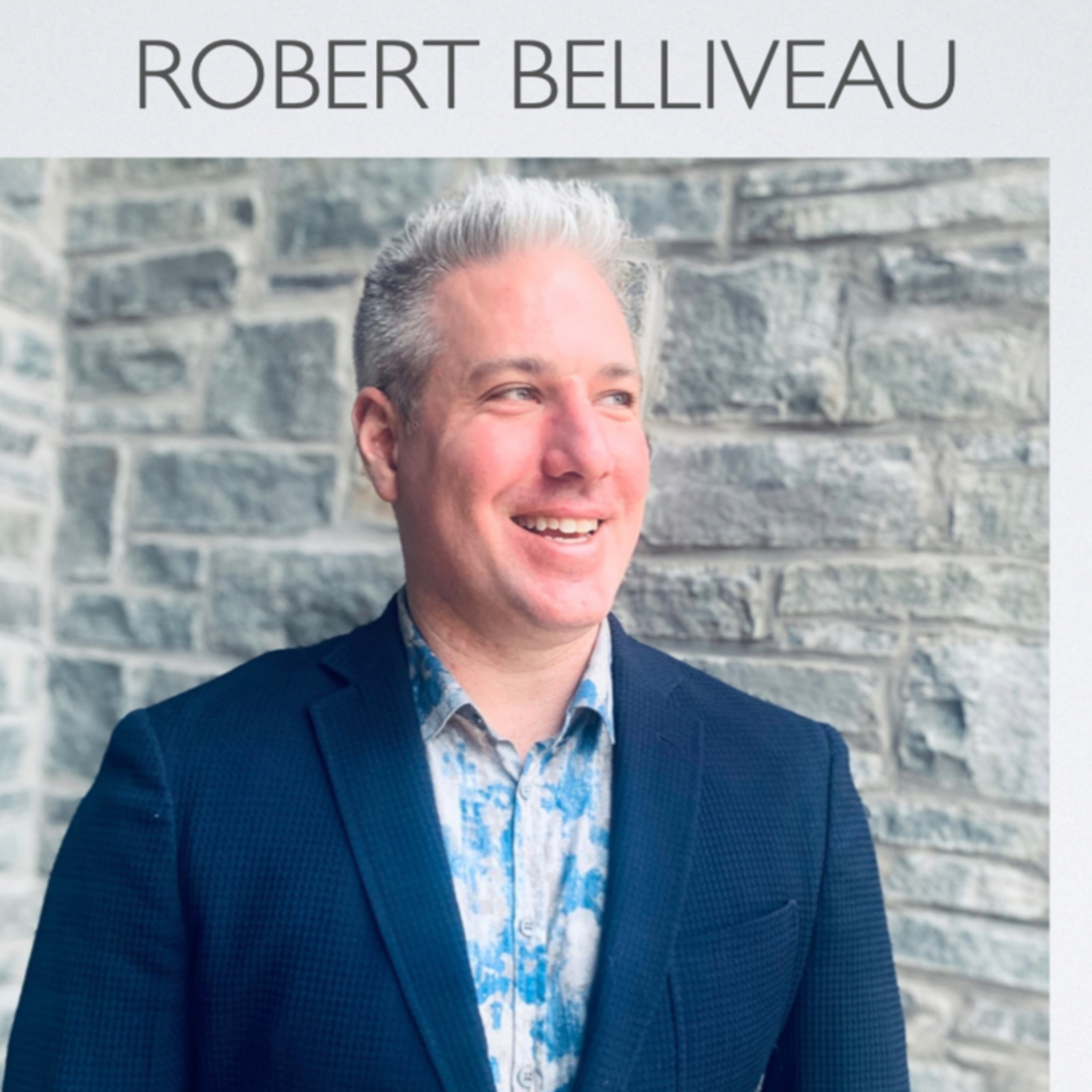
Praise for the Online Classroom: Talking about the potential of online higher education coming out of the pandemic.
Following from our last GDP podcast on the challenges of online learning, we're pleased to welcome the President of Neontrain, Rob Belliveau to the podcast to talk about how profs can work to overcome real challenges and presumed stereotypes of online education. In this episode Rob & Dr. Bob make the case that online learning can, in some ways, be more connected, more personal and more a

Getting Sick Of The Pandemic Campus: Chronicles of Virtual Higher Education.
Undergraduate students are now into their 5th virtual semester online. Profs regularly complain about online learning, and so do students. What has worked well with online learning, and what has not? What are students really missing when it comes to campus life? In this episode of GDP we hear from 3 global students in global health about the pros and cons of taking a degree mostly online. How
North Korea's Dirty Laundry: Cryptocurrencies
North Korea is used to sanctions by now. When Pyongyang demonstrates its might with missile tests, or when reports surface of the bone crushing repression within prison camps, the West often responds with financial measures and sanctions. But now, North Korea has a new plan to move money across borders despite sanctions - cryptocurrencies. And from what we can tell, it looks like

Heroes of the past & victims of today: A Twitter investigation reveals what the ‘freedom convoy,’ Islamophobes, incels and Hindu supremacists have in common.
What do Truckers in Canada, Islamophobes in the U.S., Hindu supremacists and incels the world over have in common? Distorted visions of a golden age when they ruled as they liked. Selective histories of nationalist glories are on the front steps of Capitols and Parliaments around the world. Fuelled by half-baked histories and disinformation online, the rise of anti-establishment

The Delineation Between War and Peace is Rubbish: Understanding the crisis in Ukraine.
Russia has just declared Dontesk & Luhansk in the Donbas region of Ukraine to be sovereign states. Peacekeepers are on the ground. NATO nations are applying sanctions. The government in Kyiv has said for months that Russia is attempting to usurp democracy in the country. Yet Moscow says that it is merely peacekeeping. Is it peacekeeping? Is it warmongering?

Why so many Coups? And why now?: Looking at the state of democracy in Africa.
On October 25, 2021 military officers in Sudan staged a coup and took the capital. Sudan's coup follows coups in Chad, Guinea, and two in Mali. Madagascar and the Central African Republic experienced a failed attempt each. For the past twenty years coups were becoming rare in the African continent, and they were never condoned or encouraged by members of the African Union, or the