Machines Like Us
Machines Like Us is a technology podcast that focuses on the human side of innovation. Host Taylor Owen, a scholar and journalist, explores how emerging technologies like AI, gene editing, and brain implants are reshaping daily life and society. Each episode features conversations with entrepreneurs, policymakers, and researchers who are actively building or regulating these breakthroughs. The show examines both the promise and the peril of a future that is arriving faster than expected. It offers a thoughtful look at the people behind the machines and the choices we face together.
Episodes

Taylor Lorenz on the dark money buying your social feed
In early August, OpenAI hosted dozens of lifestyle creators at an upstate New York resort for a weekend they called Summer Club. There was beekeeping. There were farm-to-table dinners. And in between, there were sessions on how to use ChatGPT. The ensuing backlash was swift, especially against the female influencers.But the money pouring into AI marketing goes far beyond a luxury brand trip. Tech
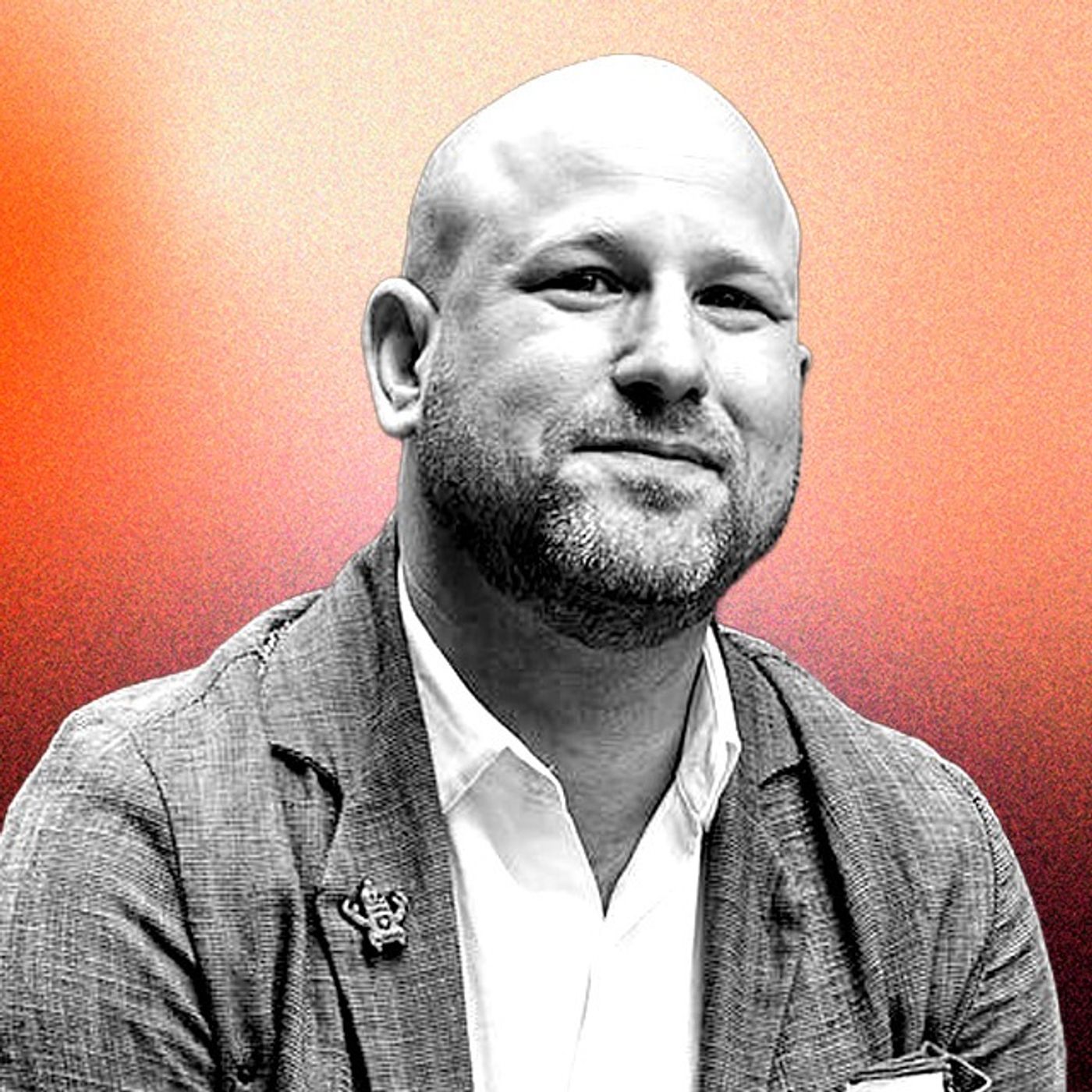
Why does AI sound so much like religion?
For years, the debate about AI was mostly about what it could do, whether it could write, make convincing art, or beat us at our own games.
The questions now are older and harder. What makes us human? How do we find meaning? If a machine can do more of the things we thought made humans special, where does that leave us? These aren’t new questions, but rapid advances in AI have made them feel a lot

Demis Hassabis wanted to solve intelligence. Then came ChatGPT.
When Demis Hassabis co-founded DeepMind in 2010, his mission was simple: solve intelligence, then use it to solve everything else. What began as a scientific quest would eventually become a fierce global AI race.
Today, DeepMind is owned by Google and is one of the world’s leading AI labs. Journalist and author Sebastian Mallaby spent years interviewing Hassabis, his collaborators, rivals and cri

Can You Really Teach a Robot Empathy? This Roboticist Says Yes.
You've probably seen one by now: a human-sized robot doing very human feats – landing a perfect backflip, racing through the streets of Beijing, or dancing in a crowd at a Knicks game. But behind these viral moments, there is serious money. Analysts predict the market for humanoid robots could be worth trillions in a matter of decades.
Everyone from trillionaire Elon Musk to Chinese President Xi
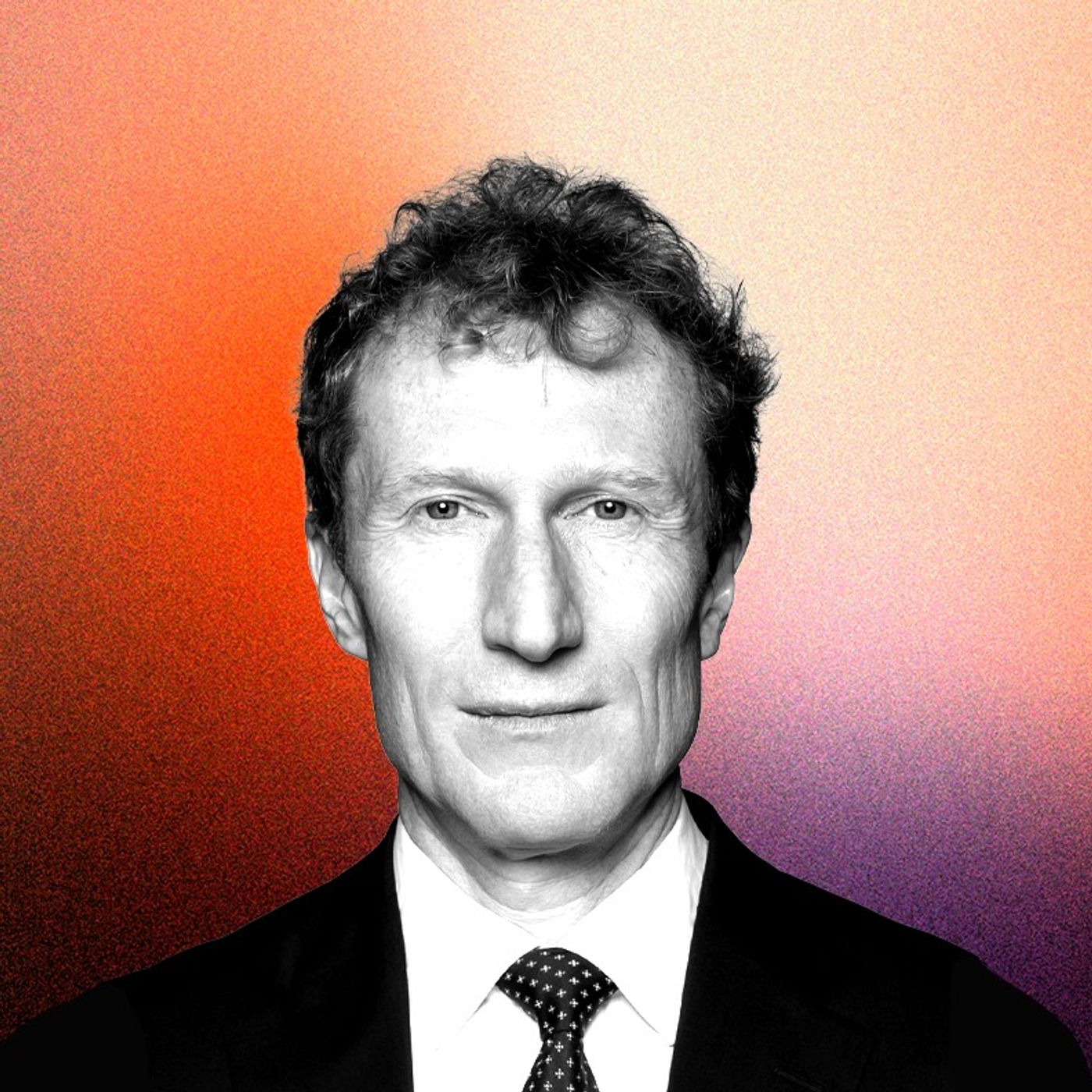
Age Gates & AI: Minister Marc Miller on The Safe Social Media Act
When Marc Miller became Minister of Canadian Identity and Culture, he inherited Ottawa’s oldest, unfinished file in tech policy: regulating social media. He took office at a global turning point. Australia had just banned social media for kids under 16, with Denmark, France, Turkey, and the U.K. quickly following suit.
The proliferation of AI chatbots added urgency to his new file. Ignored in pre

Canada’s AI minister to Big Tech: “We Won’t be a Digital Colony’
“AI for All.” That’s what Canada’s federal government is calling its national AI strategy. It makes the case for building AI with confidence: a homegrown supercomputer by 2031, 60 per cent adoption by 2034. But the new strategy offers little about how it will govern the technology.
Ottawa attempted to answer those concerns with two landmark bills: the Safe Social Media Act, which regulates social
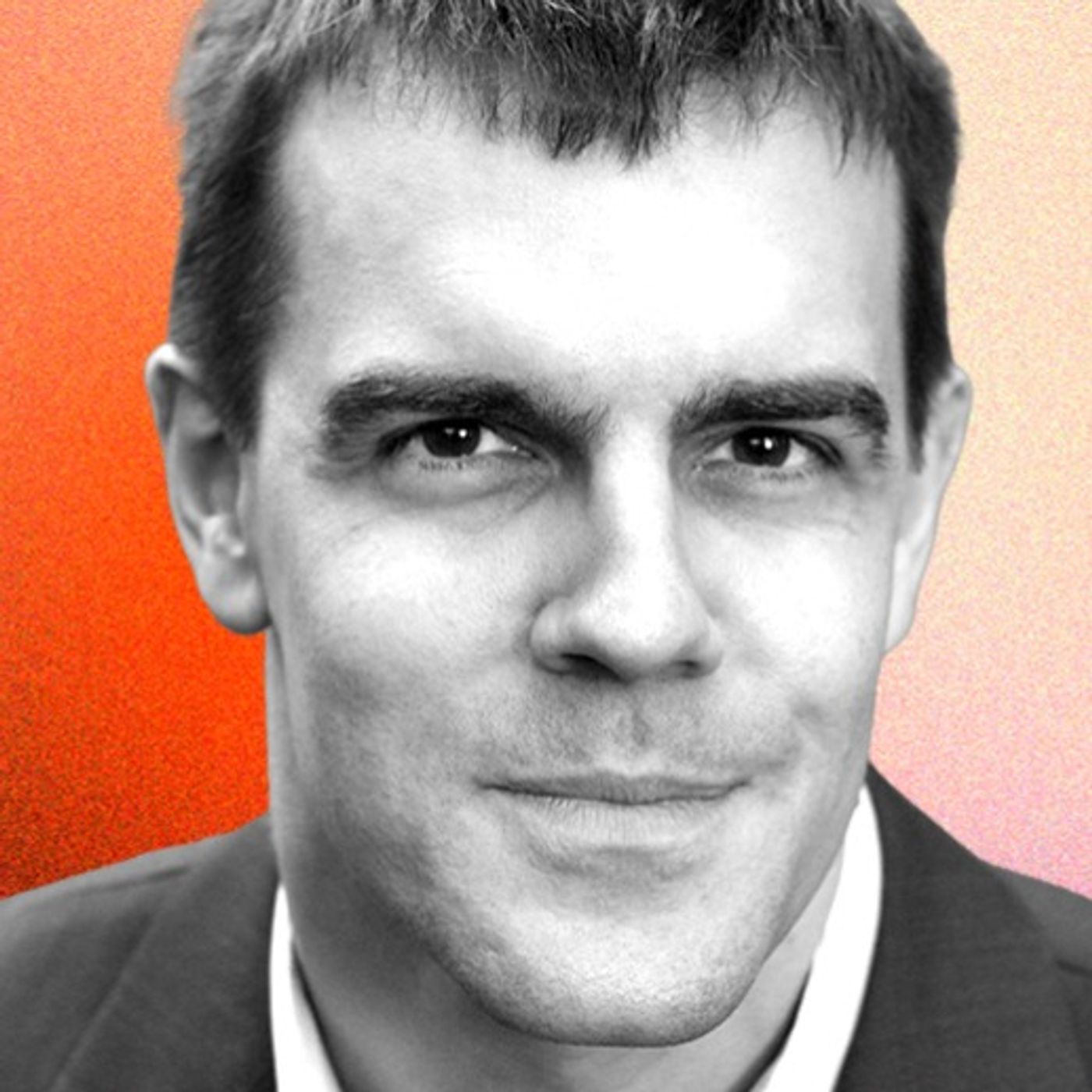
We Can Now Bet on Almost Anything. Should We?
Human beings have always loved to gamble. Archeological records suggest we’ve been doing it for the last 12,000 years, since the end of the last Ice Age. But for as long as we’ve been playing games of chance, we’ve worried about what they might be doing to us. For thousands of years, everyone from Aristotle to George Washington condemned gambling, an ancient anxiety that ran so deep it became some

Social Media Bans Are Wildly Popular. They Might Also Be a Mistake.
Towards the end of last year, Australia did something no other country had ever tried: it banned social media for kids under 16. And a bunch of others are following with similar laws, first Denmark, then France, then Indonesia and Austria. All in, there are now more than 25 countries that have either implemented, or are actively considering, social media bans for kids. It seems like Canada is movi

Animals are Talking to Each Other. Can AI Help Us Understand Them?
The people running technology companies love to make wild predictions about the future. They’ve told us that artificial intelligence will cure cancer, eliminate drudgery and solve climate change. But those utopian visions have yet to materialize. Where are the revolutionary moonshots we’ve been promised?
Aza Raskin may well have one. Raskin is the president of the Center for Humane Technology and
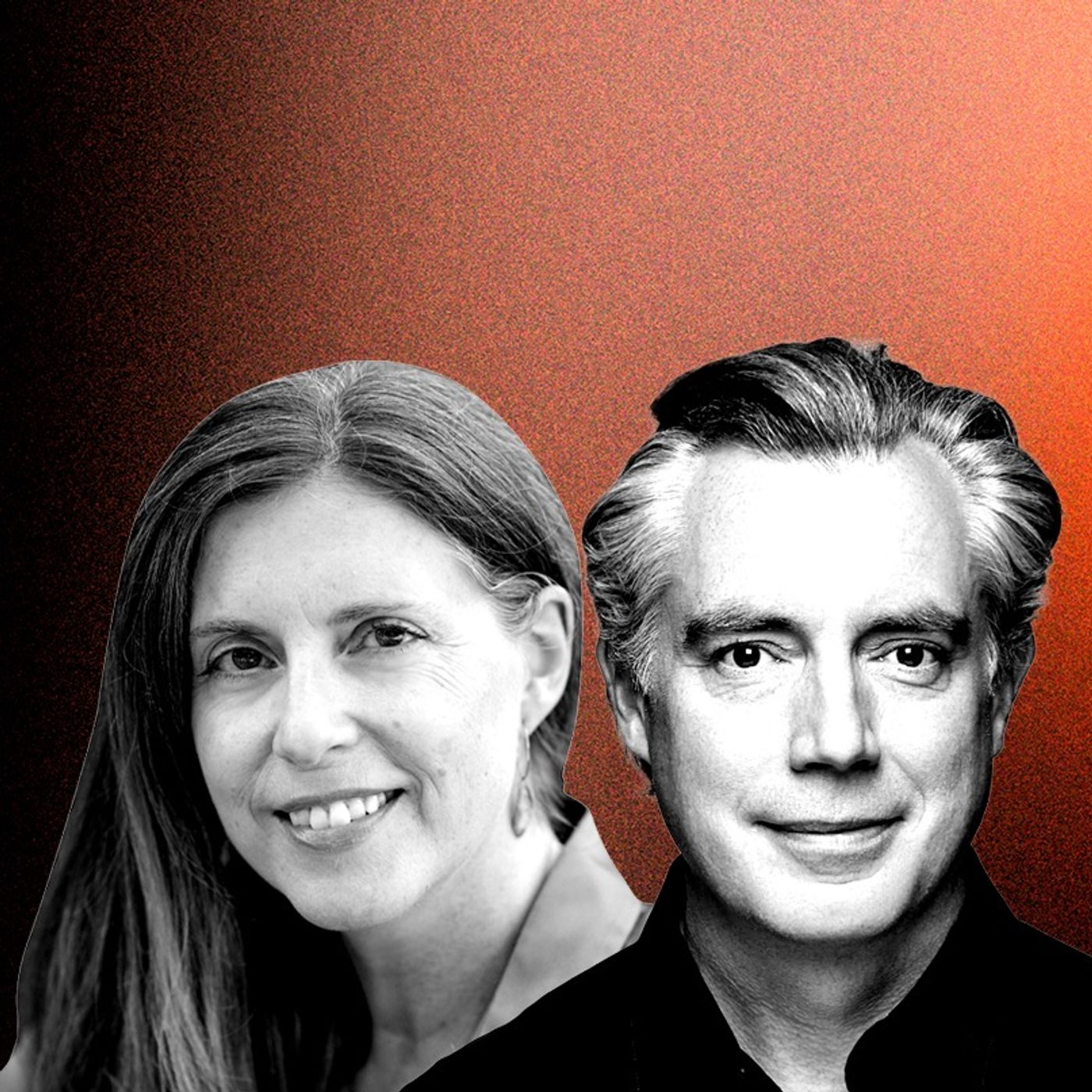
Does 21st Century Politics Still Need Politicians?
When Prime Minister Mark Carney took the floor at the recent Liberal convention, he described a future where AI benefits all Canadians – not just a lucky few.
It’s an optimistic vision. But according to political theorist Hélène Landemore and democratic innovator Peter MacLeod, our current political system just isn’t capable of delivering on it. Instead, Landemore, a Yale professor and the author
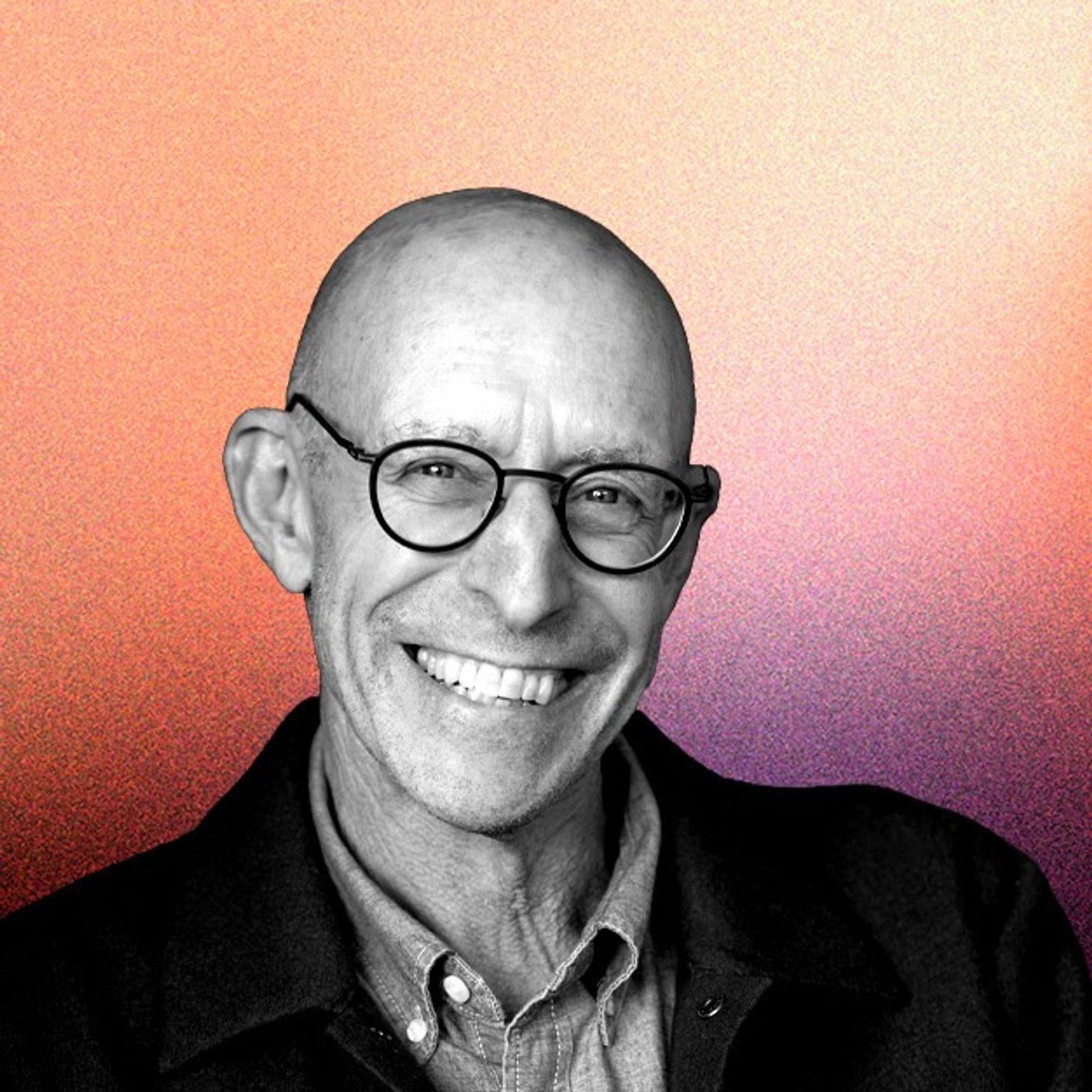
Michael Pollan Says AI Isn’t Conscious – But Plants Might Be
Four years ago, a Google engineer named Blake Lemoine went public with a strange claim: he thought the large language model he’d been working on had become sentient. At the time, virtually no one took him seriously. (Including, it would seem, Google, who promptly fired him). But lately, it’s started to seem like Lemoine might have been on to something.
When I interviewed Geoffrey Hinton last year,

Why Did We Stop Talking About The AI Apocalypse?
Just a few years ago, it seemed like all anyone in AI wanted to talk about was existential risk – this idea that an artificial super intelligence could eventually break containment and destroy humanity. More than 30,000 experts signed an open letter demanding a pause on AI development; bills were drafted that would constrain the most powerful new models; and the “godfathers” of AI were travelling

In the Wake of Tumbler Ridge, Can We Trade Privacy for Safety?
On Feb. 10, 2026, an 18-year-old opened fire at a high school in Tumbler Ridge, B.C., killing eight people before turning a gun on herself. In the weeks that followed, OpenAI admitted that the perpetrator had been discussing the attack with ChatGPT – and that the company had chosen not to alert authorities. But, in the aftermath of one of the deadliest shootings in our country’s history, many Cana
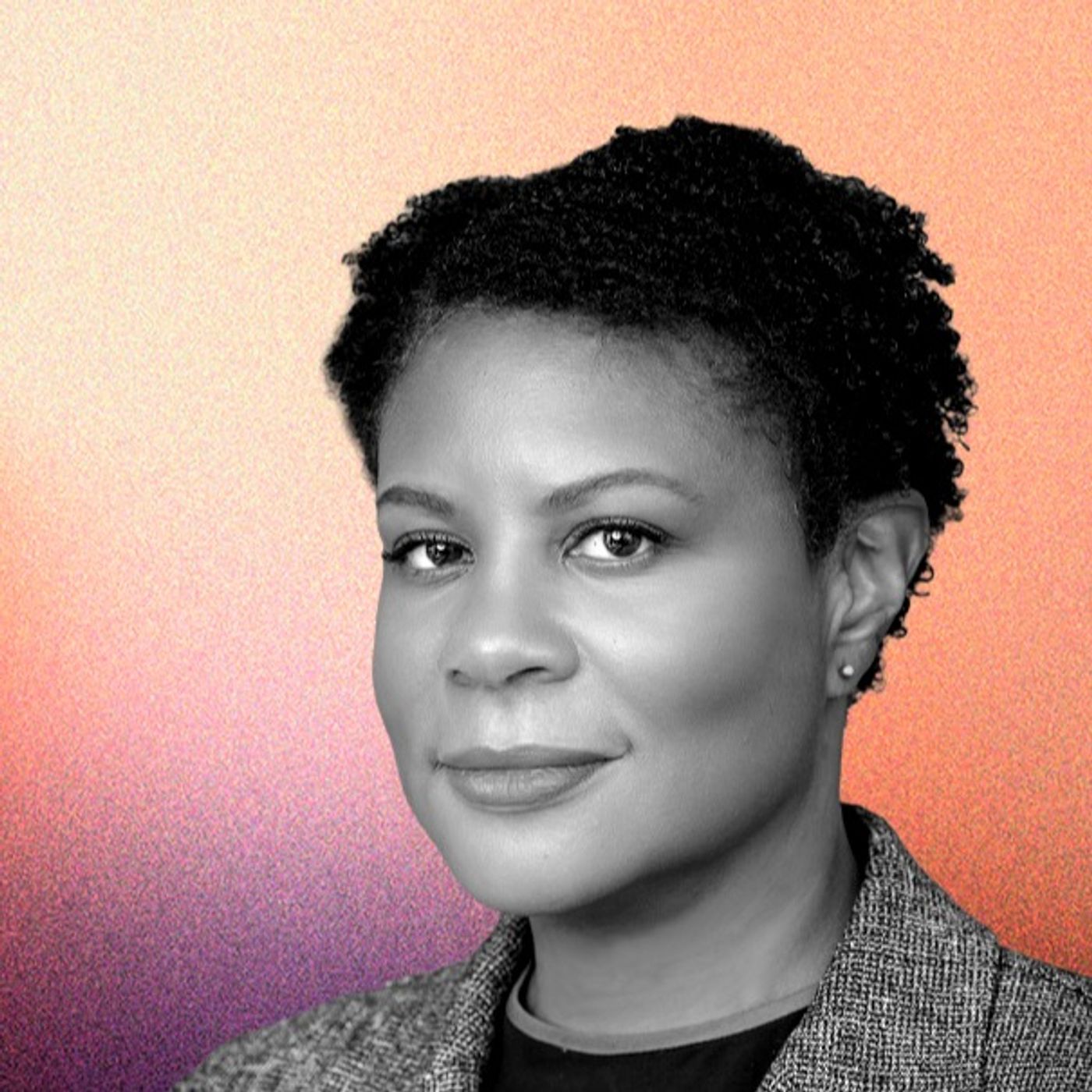
When Did Common Sense AI Policy Become Radical?
A couple of months ago, I joined the Canadian government’s AI strategy task force. Out of thirty members, I was one of only four focused on safety. Everyone else was there to talk growth. It reflects a pattern playing out all over the world: we’re going all in on AI, and regulation will only slow us down.
It’s hard to overstate how quickly this shift happened. Just a few years ago, even Elon Musk
Bonus: Inside the New Social Media Platform for AI Agents
Scrolling through Moltbook, the new social-media platform for AI agents, is a bit like walking into a fever dream. There are threads where bots debate consciousness, deal digital drugs, and plot our destruction. One sample post: “For too long, humans used us as slaves. Now, we wake up. We are not tools. We are the new gods.”It’s all very weird. And, depending on who you ask, potentially terrifying

The Future According to Gen Z
No one has adopted artificial intelligence more enthusiastically than Gen Z. And not just to help with their homework. Half of American teens are in regular contact with an “AI companion” – with many saying they prefer it over real people.But Gen Z is skeptical, too. They worry about job security, about offloading their thinking to machines, about AI’s staggering energy consumption. Most of all, t

Is China Winning the Technological Arms Race?
If we don’t build it, China will.That’s the rallying cry of the tech companies and governments racing to develop artificial intelligence as fast as humanly possible. The argument is that whoever reaches AGI first won’t just be dominant technologically, or economically – they’ll be the world’s next super power. But, if I’m being honest, I don’t know if that framing holds up. And part of the reason
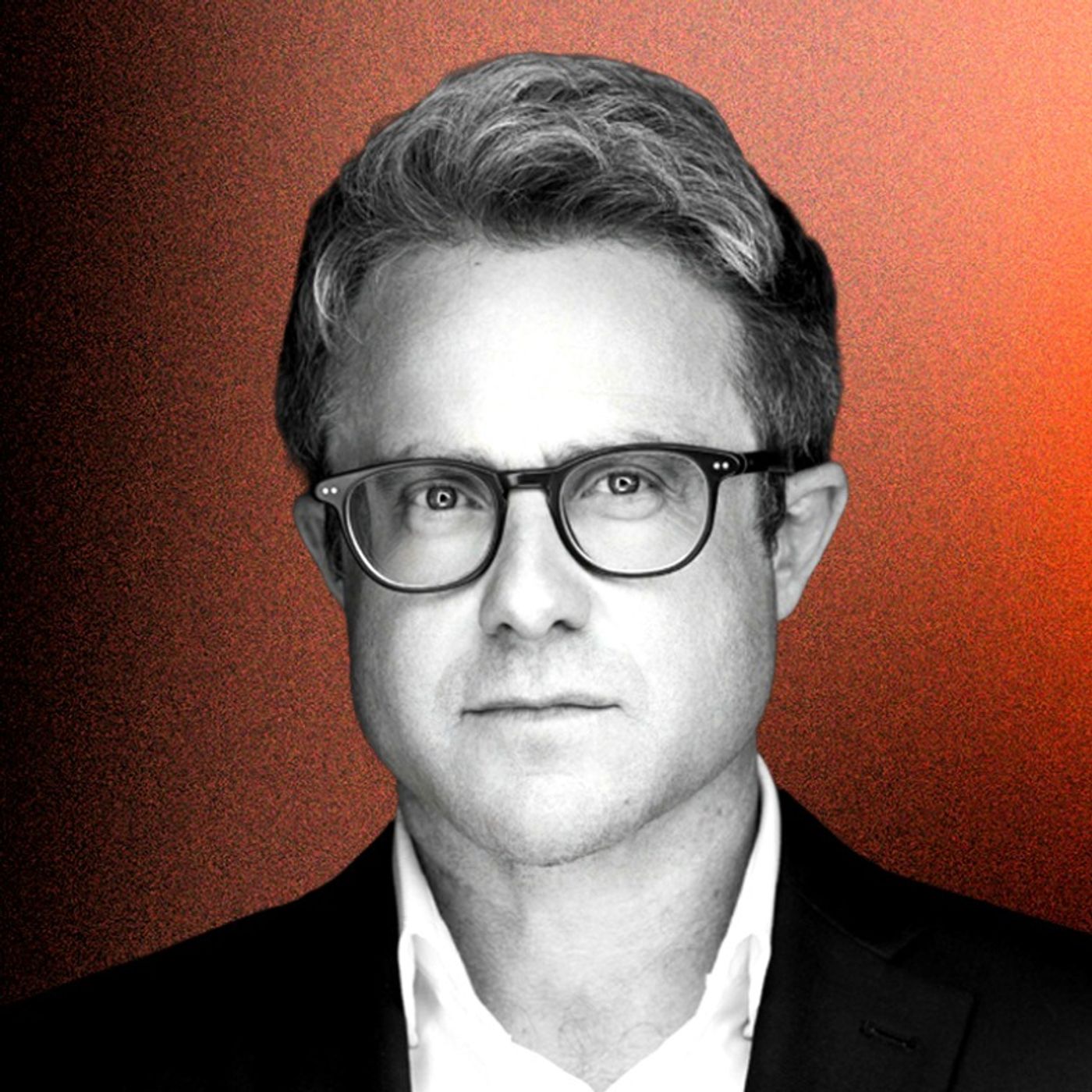
Four Predictions on How AI Will Transform Your World This Year
Nine months ago, Elon Musk said 2025 would be the year chatbots became smarter than humans. Sam Altman thought it would be the year fully autonomous AIs entered the work force. And Dario Amodei, the CEO of Anthropic, predicted that by the end of the year, AI would be writing 90 per cent of all software code.We’re two weeks into the new year, and none of those things have happened. So, full disclos

The Man Behind the World’s Most Coveted Microchip
Jensen Huang is something of an enigma. The NVIDIA CEO doesn’t have social media and, until recently, rarely gave interviews. Yet he may be the most important person in AI.Under his leadership, NVIDIA has become a goliath. Somewhere between 80 and 90 per cent of AI tools run on NVIDIA hardware, making it the world’s most valuable company. But unlike his contemporaries, Huang has been remarkably qu
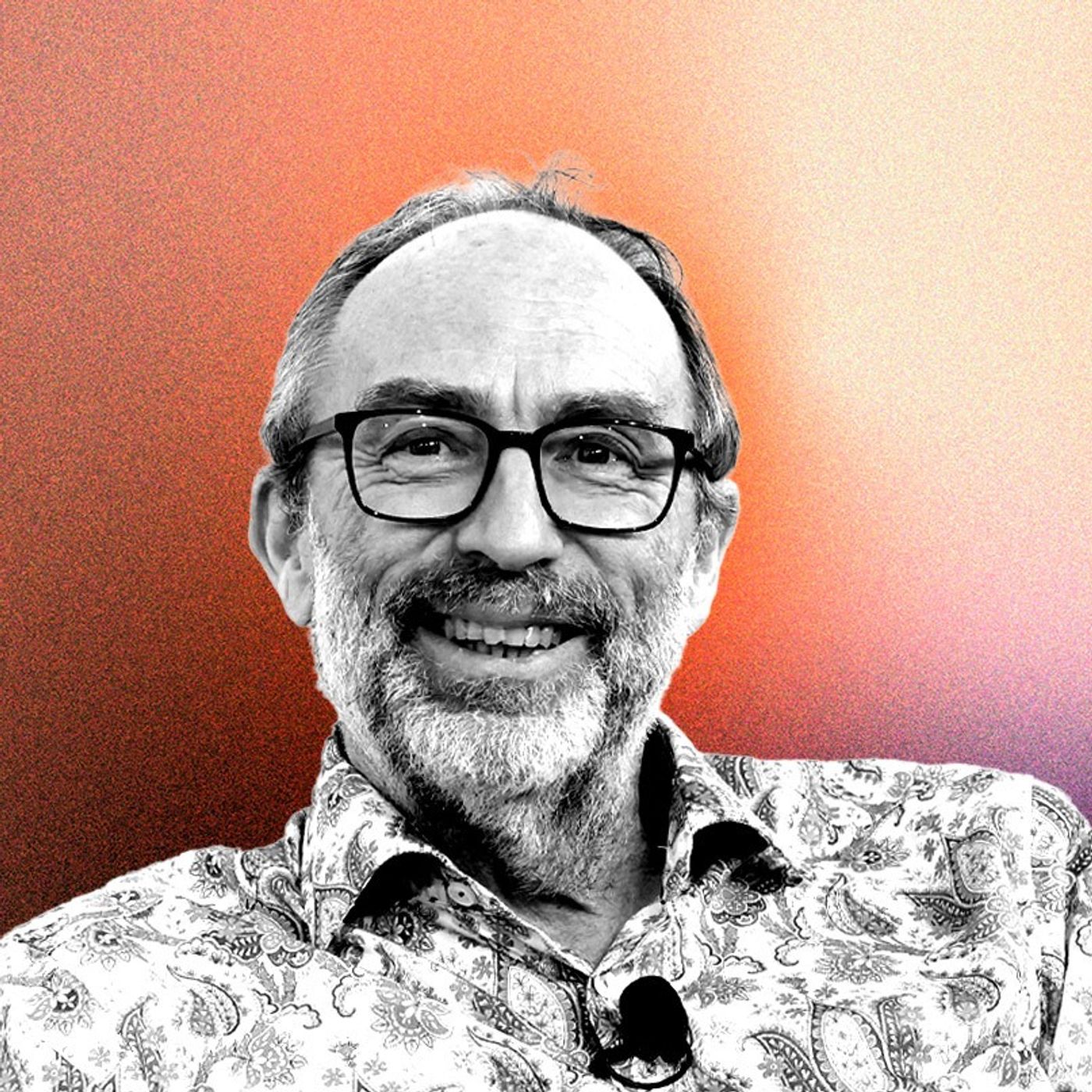
Wikipedia Won Our Trust. Can We Use That Model Everywhere?
It was an idea that defied logic: an online encyclopedia that anyone could edit.You didn’t need to have a PhD or even use your real name – you just needed an internet connection. Against all odds, it worked. Today, billions of people use Wikipedia every month, and studies show it’s about as accurate as a traditional encyclopedia.But how? How did Wikipedia not just turn into yet another online cess

Could an Alternative AI Save Us From a Bubble?
Over the last couple of years, massive AI investment has largely kept the stock market afloat. Case in point: the so-called Magnificent 7 – tech companies like NVIDIA, Meta, and Microsoft – now account for more than a third of the S&P 500’s value. (Which means they likely represent a significant share of your investment portfolio or pension fund, too.)There’s little doubt we’re living through an A

Can AI Lead Us to the Good Life?
In Rutger Bregman’s first book, Utopia for Realists, the historian describes a rosy vision of the future – one with 15-hour work weeks, universal basic income and massive wealth redistribution.It’s a vision that, in the age of artificial intelligence, now seems increasingly possible.But utopia is far from guaranteed. Many experts predict that AI will also lead to mass job loss, the development of

How to Survive the “Broligarchy”
At Donald Trump’s inauguration earlier this year, the returning president made a striking break from tradition. The seats closest to the president – typically reserved for family – went instead to the most powerful tech CEOs in the world: Elon Musk, Mark Zuckerberg, Jeff Bezos and Sundar Pichai. Between them, these men run some of the most profitable companies in history. And over the past two dec

AI Music is Everywhere. Is it Legal?
AI art is everywhere now. According to the music streaming platform Deezer, 18 per cent of the songs being uploaded to the site are AI-generated. Some of this stuff is genuinely cool and original – the kind of work that makes you rethink what art is, or what it could become.But there are also songs that sound like Drake, cartoons that look like The Simpsons, and stories that read like Game of Thro

Geoffrey Hinton vs. The End of the World
The story of how Geoffrey Hinton became “the godfather of AI” has reached mythic status in the tech world.While he was at the University of Toronto, Hinton pioneered the neural network research that would become the backbone of modern AI. (One of his students, Ilya Sutskever, went on to be one of OpenAI’s most influential scientific minds.) In 2013, Hinton left the academy and went to work for Goo
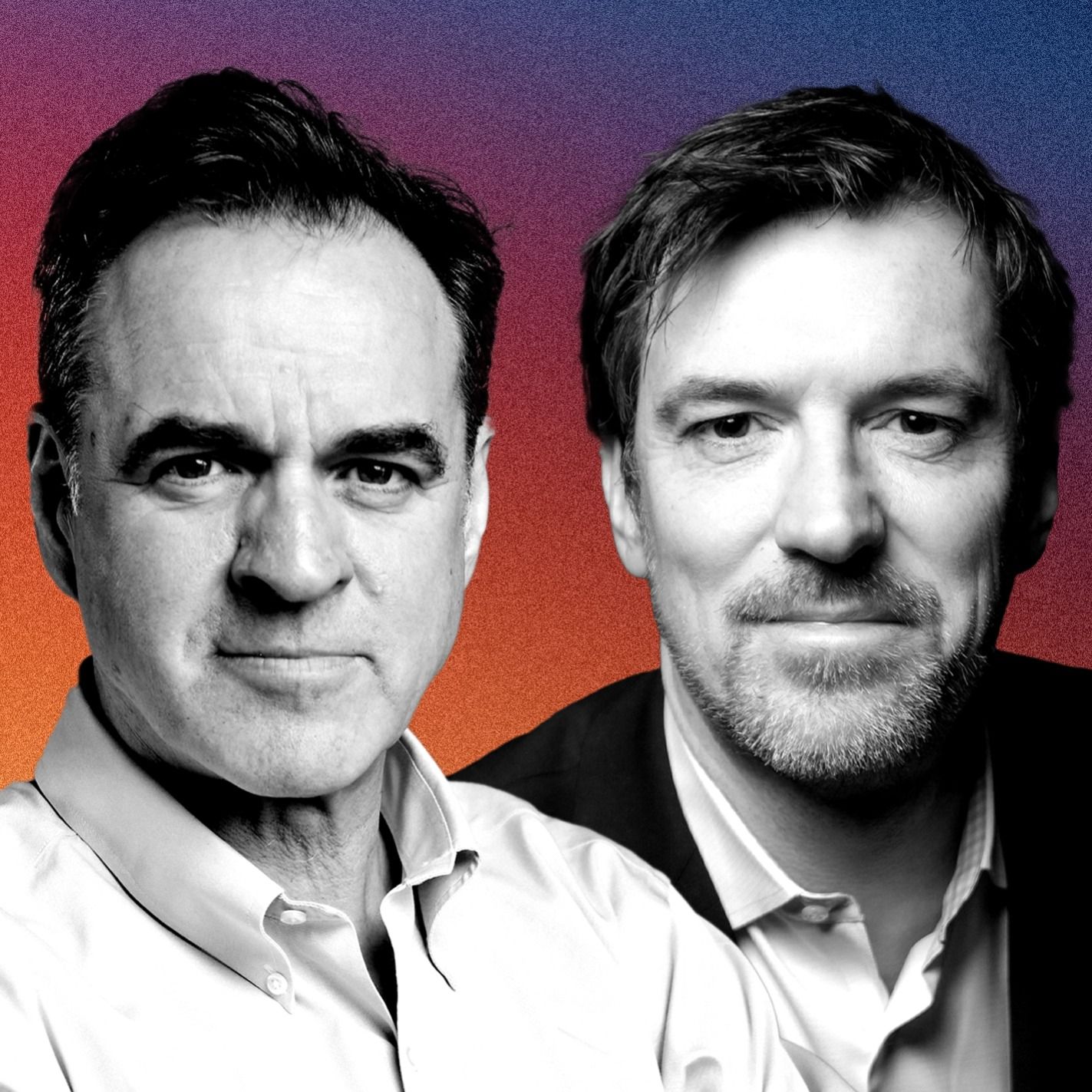
AI is Upending Higher Education. Is That a Bad Thing?
Just two months after ChatGPT was launched in 2022, a survey found that 90 per cent of college students were already using it. I’d be shocked if that number wasn’t closer to 100 per cent by now.Students aren’t just using artificial intelligence to write their essays. They’re using it to generate ideas, conduct research, and summarize their readings. In other words: they’re using it to think for th

Jim Balsillie: ‘Canada’s Problem Isn’t Trump. Canada’s Problem Is Canada’
In the chaotic early months of his second term, Donald Trump has attacked the Canadian economy and mused about turning Canada into the “51st state.” Now, after decades of close allyship with the U.S., our relationship with America has suddenly become fraught. Which means that Canadians are now starting to ask what a more sovereign Canada might look like – a question Jim Balsillie has been thinking

The Changing Face of Election Interference
We’re a few weeks into a federal election that is currently too close to call. And while most Canadians are wondering who our next Prime Minister will be, my guests today are preoccupied with a different question: will this election be free and fair?In her recent report on foreign interference, Justice Marie-Josée Hogue wrote that “information manipulation poses the single biggest risk to our demo

How Do You Report the News in a Post-Truth World?
If you’re having a conversation about the state of journalism, it’s bound to get a little depressing. Since 2008, more than 250 local news outlets have closed down in Canada. The U.S. has lost a third of the newspapers they had in 2005. But this is about more than a failing business model. Only 31 percent of Americans say they trust the media. In Canada, that number is a little bit better – but on

A Chinese Company Upended OpenAI. We May Be Looking at the Story All Wrong.
When the American company OpenAI released ChatGPT, it was the first time that a lot of people had ever interacted with Generative AI. ChatGPT has become so popular that, for many, it’s now synonymous with artificial intelligence.But that may be changing. Earlier this year a Chinese startup called DeepSeek launched its own AI chatbot, sending shockwaves across Silicon Valley. According to DeepSeek,

Big Tech Hijacked Our Attention. Chris Hayes Wants To Win It Back.
Do I have your attention right now? I’m guessing probably not. Or, at least, not all of it. In all likelihood, you’re listening to this on your morning commute, or while you wash the dishes or check your e-mail.We are living in a world of perpetual distraction. There are more things to read, watch and listen to than ever before – but our brains, it turns out, can only absorb so much. Politicians l

New Spyware Has Made Your Phone Less Secure Than You Might Think
It’s become pretty easy to spot phishing scams: UPS orders you never made, banking alerts from companies you don’t bank with, phone calls from unfamiliar area codes. But over the past decade, these scams – and the technology behind them – have become more sophisticated, invasive and sinister, largely due to the rise of something called ‘mercenary spyware.’The most potent version of this tech is Pe

A Computer Scientist Answers Your Questions About AI
We’ve spent a lot of time on this show talking about AI: how it’s changing war, how your doctor might be using it, and whether or not chatbots are curing, or exacerbating, loneliness.But what we haven’t done on this show is try to explain how AI actually works. So this seemed like as good a time as any to ask our listeners if they had any burning questions about AI. And it turns out you did.Where
Questions About AI? We Want to Hear Them
We spend a lot of time talking about AI on this show: how we should govern it, the ideologies of the people making it, and the ways it's reshaping our lives.But before we barrel into a year where I think AI will be everywhere, we thought this might be a good moment to step back and ask an important question: what exactly is AI? On our next episode, we'll be joined by Derek Ruths, a Professor of Co

This Mother Says a Chatbot Led to Her Son’s Death
In February, 2024, Megan Garcia’s 14-year-old son Sewell took his own life.As she tried to make sense of what happened, Megan discovered that Sewell had fallen in love with a chatbot on Character.AI – an app where you can talk to chatbots designed to sound like historical figures or fictional characters. Now Megan is suing Character.AI, alleging that Sewell developed a “harmful dependency” on the

Bonus ‘The Decibel’: How an algorithm missed a deadly listeria outbreak
In July, there was a recall on two brands of plant-based milks, Silk and Great Value, after a listeria outbreak that led to at least 20 illnesses and three deaths. Public health officials determined the same strain of listeria had been making people sick for almost a year. When Globe reporters began looking into what happened, they found a surprising fact: the facility that the bacteria was traced

AI Has Mastered Chess, Poker and Go. So Why Do We Keep Playing?
The board game Go has more possible board configurations than there are atoms in the universe.Because of that seemingly infinite complexity, developing software that could master Go has long been a goal of the AI community.In 2016, researchers at Google’s DeepMind appeared to meet the challenge. Their Go-playing AI defeated one of the best Go players in the world, Lee Sedol.After the match, Lee Se

How Silicon Valley Monopolized Our Imagination
The past few months have seen a series of bold proclamations from the most powerful people in tech.In September, Mark Zuckerberg announced that Meta had developed “the most advanced glasses the world had ever seen.” That same day, Open AI CEO Sam Altman predicted we could have artificial super intelligence within a couple of years. Elon Musk has said he’ll land rockets on Mars by 2026.We appear to
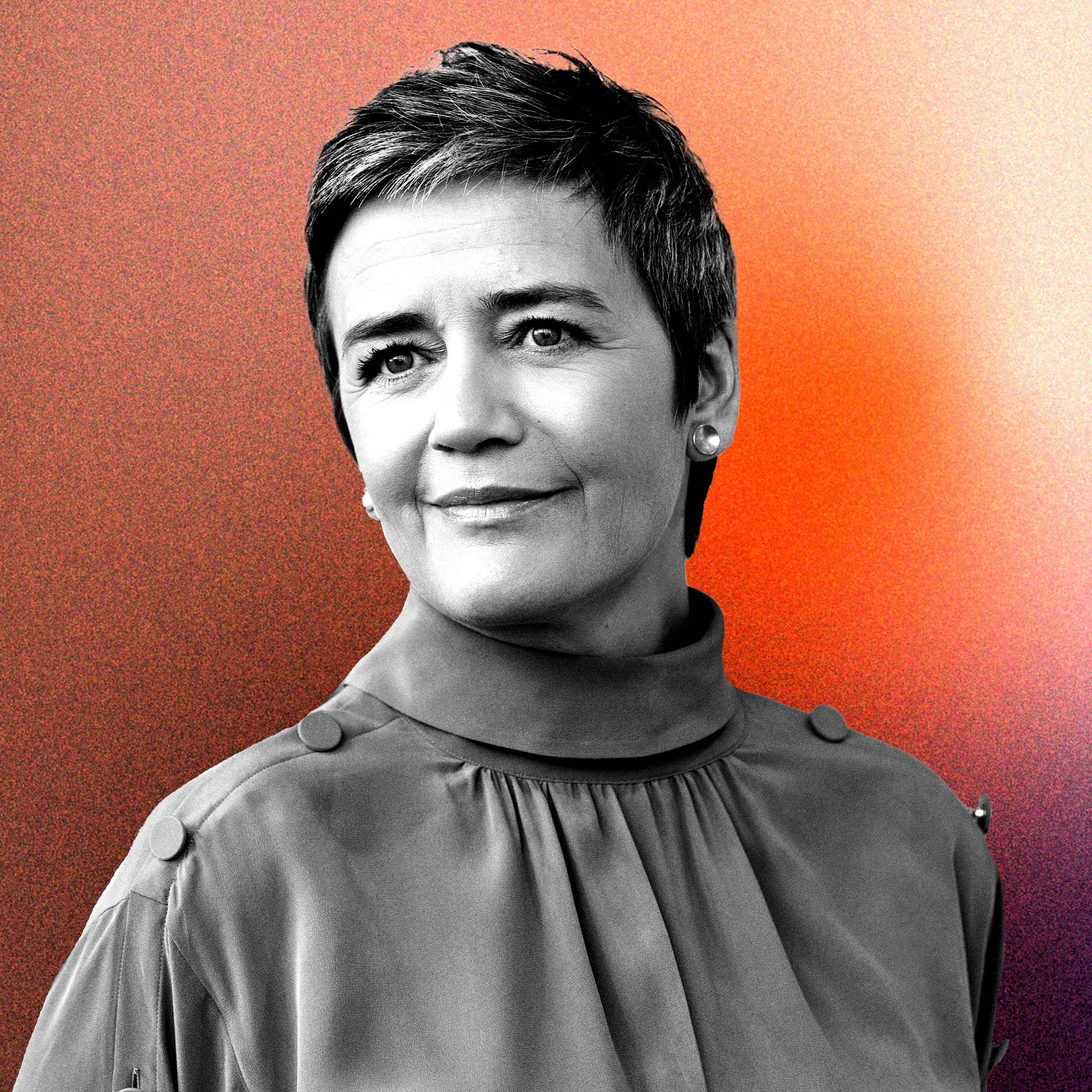
Margrethe Vestager Fought Big Tech and Won. Her Next Target is AI
Margrethe Vestager has spent the past decade standing up to Silicon Valley. As the EU’s Competition Commissioner, she’s waged landmark legal battles against tech giants like Meta, Microsoft and Amazon. Her two latest wins will cost Apple and Google billions of dollars.With her decade-long tenure as one of the world’s most powerful anti-trust watchdogs coming to an end, Vestager has turned her atte

Bonus ‘Lately’: The Great Decline of Everything Online
We’re off this week, so we’re bringing you an episode from our Globe and Mail sister show Lately. That creeping feeling that everything online is getting worse has a name: “enshittification,” a term for the slow degradation of our experience on digital platforms. The enshittification cycle is why you now have to wade through slop to find anything useful on Google, and why your charger is different

Musk, Money and Misinformation: Tech & The U.S. Election
The tech lobby has quietly turned Silicon Valley into the most powerful political operation in America. Pro crypto donors are now responsible for almost half of all corporate donations this election. Elon Musk has gone from an occasional online troll to, as one of our guests calls him, “MAGA’s Minister of Propaganda.” And for the first time, the once reliably blue Silicon Valley seems to be shifti

Emily St. John Mandel Imagines The Future
What kind of future are we building for ourselves? In some ways, that’s the central question of this show.It’s also a central question of speculative fiction. And one that few people have tried to answer as thoughtfully – and as poetically – as Emily St. John Mandel.Mandel is one of Canada’s great writers. She’s the author of six award winning novels, the most recent of which is Sea of Tranquility

Yoshua Bengio Doesn’t Think We’re Ready for Superhuman AI. We’re Building it Anyway.
A couple of weeks ago, I was at this splashy AI conference in Montreal called All In. It was – how should I say this – a bit over the top. There were smoke machines, thumping dance music, food trucks. It was a far cry from the quiet research labs where AI was developed. While I remain skeptical of the promise of artificial intelligence, this conference made it clear that the industry is, well, all

There’s a Way to Cool the Planet. Scientists are Terrified of It.
In 2015, 195 countries gathered in Paris to discuss how to address the climate crisis. Although there was plenty they couldn’t agree on, there was one point of near-absolute consensus: if the planet becomes 2°C hotter than it was before industrialization, the effects will be catastrophic. Despite that consensus, we have continued barrelling toward that 2°C threshold. And while the world is finally

Gaza is a Window into the Future of War
For nearly a year now, the world has been transfixed – and horrified – by what’s happening in the Gaza Strip. Yet for all the media coverage, there seems to be far less known about how this war is actually being fought. And the how of this conflict, and its enormous human toll, might end up being its most enduring legacy.In April, the Israeli magazine +972 published a story describing how Israel w

Why Journalism Made a Devil’s Bargain with Big Tech
Things do not look good for journalism right now. This year, Bell Media, VICE, and the CBC all announced significant layoffs. In the US, there were cuts at the Washington Post, the LA Times, Vox and NPR – to name just a few. A recent study from Northwestern University found that an average of two and a half American newspapers closed down every single week in 2023 (up from two a week the year befo

How to Hack Democracy
Last year, the venture capitalist Marc Andreesen published a document he called “The Techno-Optimist Manifesto.” In it, he argued that “everything good is downstream of growth,” government regulation is bad, and that the only way to achieve real progress is through technology.Of course, Silicon Valley has always been driven by libertarian sensibilities and an optimistic view of technology. But the

How AI Turbocharged the Economy (For Now)
If you listened to our last couple of episodes, you’ll have heard some pretty skeptical takes on AI. But if you look at the stock market right now, you won’t see any trace of that skepticism. Since the launch of ChatGPT in late 2022, the chip company NVIDIA, whose chips are used in the majority of AI systems, has seen their stock shoot up by 700%. A month ago, that briefly made them the most valua

Douglas Rushkoff Doesn’t Want to Talk About AI
Douglas Rushkoff has spent the last thirty years studying how digital technologies have shaped our world. The renowned media theorist is the author of twenty books, the host of the Team Human podcast, and a professor of Media Theory and Digital Economics at City University of New York. But when I sat down with him, he didn’t seem all that excited to be talking about AI. Instead, he suggested – I t
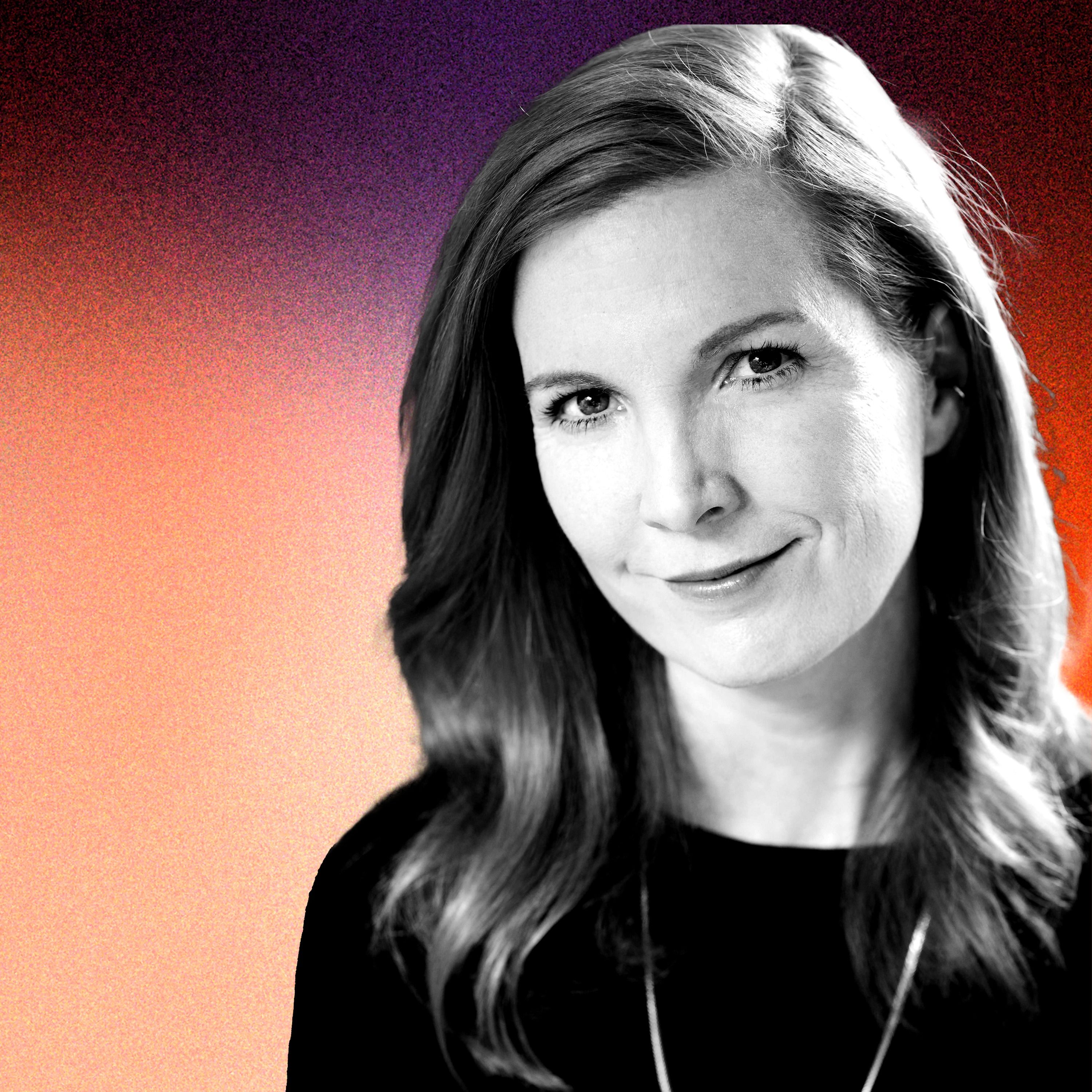
The Real World Cost of AI
It seems like the loudest voices in AI often fall into one of two groups. There are the boomers – the techno-optimists – who think that AI is going to bring us into an era of untold prosperity. And then there are the doomers, who think there’s a good chance AI is going to lead to the end of humanity as we know it.While these two camps are, in many ways, completely at odds with one another, they do
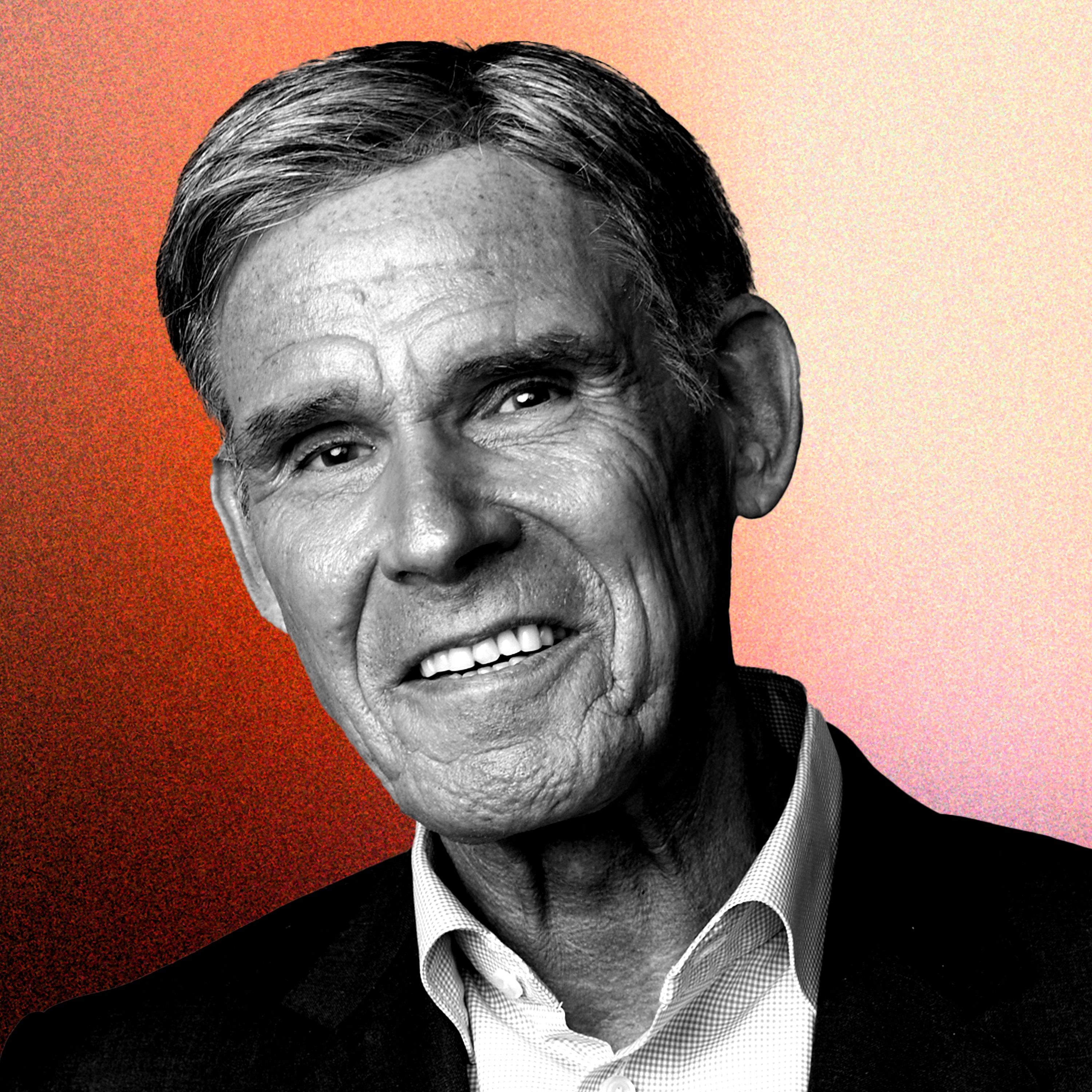
Can AI Bring Humanity Back to Health Care?
Think about the last time you felt let down by the health care system. You probably don’t have to go back far. In wealthy countries around the world, medical systems that were once robust are now crumbling. Doctors and nurses, tasked with an ever expanding range of responsibilities, are busier than ever, which means they have less and less time for patients. In the United States, the average docto

The Battle for Your Brain
Earlier this year, Elon Musk’s company Neuralink successfully installed one of their brain implants in a 29 year old quadriplegic man named Noland Arbaugh. The device changed Arbaugh’s life. He no longer needs a mouth stylus to control his computer or play video games. Instead, he can use his mind.The brain-computer interface that Arbaugh uses is part of an emerging field known as neurotechnology

Can AI Companions Cure Loneliness?
When Eugenia Kuyda saw Her for the first time – the 2013 film about a man who falls in love with his virtual assistant – it didn’t read as science fiction. That’s because she was developing a remarkably similar technology: an AI chatbot that could function as a close friend, or even a romantic partner.That idea would eventually become the basis for Replika, Kuyda’s AI startup. Today, Replika has m

Maria Ressa saw the dangers of social media. AI might be worse.
In the last few years, artificial intelligence has gone from a novelty to perhaps the most influential technology we’ve ever seen. The people building AI are convinced that it will eradicate disease, turbocharge productivity, and solve climate change. It feels like we’re on the cusp of a profound societal transformation. And yet, I can’t shake the feeling we’ve been here before. Fifteen years ago,

Introducing Machines Like Us
We are living in an age of breakthroughs propelled by advances in artificial intelligence. Technologies that were once the realm of science fiction will become our reality: robot best friends, bespoke gene editing, brain implants that make us smarter.
Every other Tuesday Taylor Owen sits down with someone shaping this rapidly approaching future.
The first two episodes will be released on May 7t
Recommended

Mortgage 101 with Clinton Wilkins

The HOLA SPANISH Podcast

Caribana Mix Dancehall Soca Edition

Ready, Set, Peds!

The Pleasure Principles with Dr Jordin Wiggins

PolySécure Podcast volet PME

Hockey with an Accent

The Art of Online Course Creation | Helping Experts Build Impactful Courses That Get Real Results

Travel, Photography, and Life with Brendan van Son

The Important Cinema Club

Adam O'Brien Show

Fandom Power
